
Lomi Composter Review: Why I Stopped Using Mine (A Dietitian’s Honest Take)
Lomi sent me this machine for free. This post is not sponsored, and all opinions are my own.
The Lomi is an electric countertop composter that turns food scraps into a dry, dirt-like material. I'm a registered dietitian who was gifted the original Lomi in 2023, and I stopped using it after six months.
It's easy to use and cuts food waste, but it has no automatic start, runs long cycles, and is hard to clean. It's best for small households without curbside composting, and I now use a different composter.
I've wanted to compost at home since I went vegan for the environment in 2015, but every time I tried, it never quite worked out. When Lomi offered to send me a machine, it felt like the perfect chance to try again without the hassle of a traditional compost pile.
It didn't end up being the right fit for my household, but I still think it can be a great option for a lot of people. Anything that keeps food waste out of the landfill is a step in the right direction.
Here's what worked, what didn't, and how to tell if it's right for you.
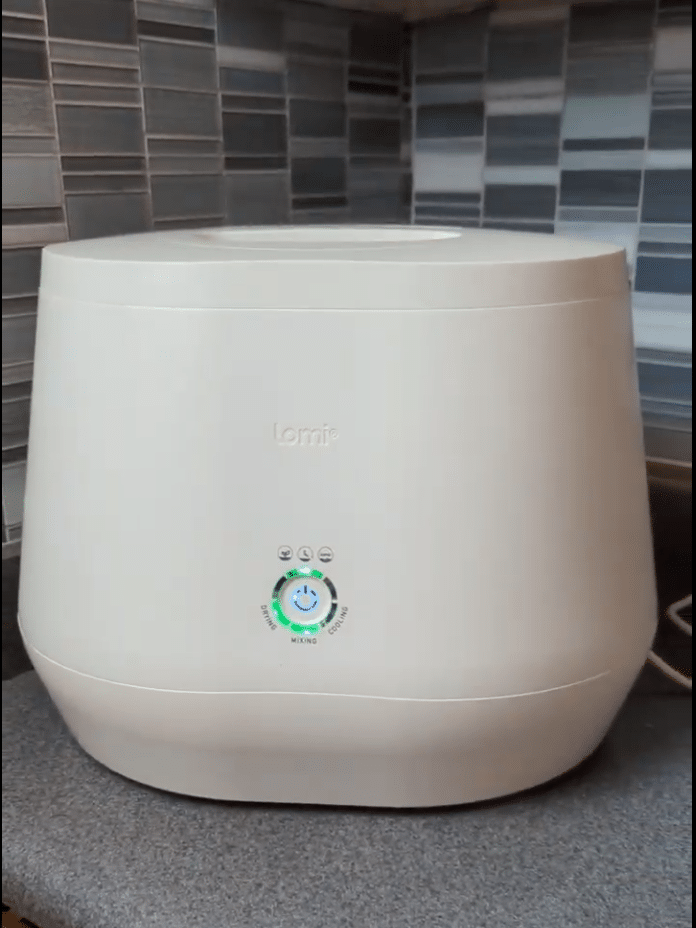
What is Lomi and How Does it Work?
The Lomi is an electric countertop composter. You add your food scraps to the bucket, close the lid, pick one of the three modes, and start it up.
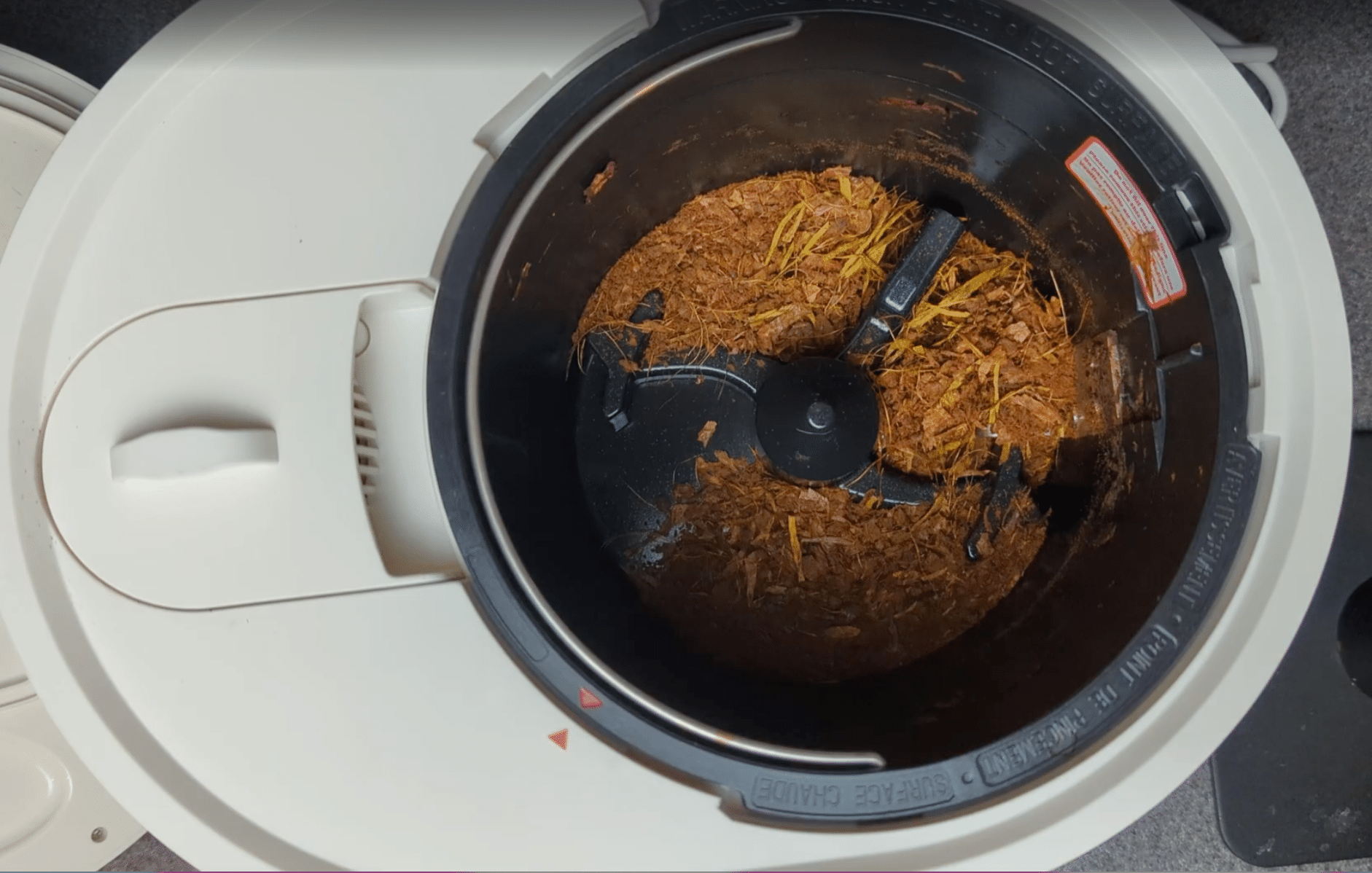
Over the next several hours, the Lomi uses heat, grinding, and airflow to dry out and break down your scraps into a dry, crumbly material that looks a lot like dirt. This can be mixed into soil rather than plant directly in.
The Three Lomi Modes
On the machine there are three different settings to choose from.
- Eco-Express (about 3 to 5 hours): The fastest mode, for food scraps only. What's left is best added to a green bin or used as a starter in your next cycle.
- Lomi Approved (about 5 to 8 hours): For food scraps plus Lomi-approved compostable packaging and bioplastics. Not meant for your garden.
- Grow (about 14 to 20 hours): A longer, lower-heat cycle that keeps more of the helpful microbes. This is the only mode Lomi recommends for plants. Mix 1 part Lomi dirt with 10 parts soil.
Since I mostly used Eco-Express, the dirt I ended up with wasn't the kind Lomi recommends for gardens.
You can also use the Lomi filter once it's used up as an additive to your soil. At a ratio of 1 part activated charcoal to 6 parts soil.
What Are LomiPods?
LomiPods are small tablets filled with probiotics, made of helpful bacteria and fungi that speed up the breakdown and reduce smell. They also help make the healthiest end product for your garden, lawn, or planters. They're an ongoing cost to factor in if you plan to use them as Lomi suggests
My Experience: The First Few Months
I ran the Lomi a handful of times, usually at night when I remembered, and it was done by the time I woke up. It's easy to use, and the machine isn't loud. It sometimes clanked when there was something fibrous in the bucket, but that was about it. I only added plant-based scraps, and I never noticed any smell.
My biggest challenge was knowing what to do with the dried scraps. I tried mixing them into my garden, but my dogs loved the dirt and kept digging up the garden. Not having anywhere else to put it was a big problem for my household. If you have a garden and dogs that don't dig, or no dogs at all, this may not be an issue for you.
Counter space was the other issue. I like to keep my counters clear for cooking and baking, so I was always trying to find a better spot for it.
What You Can and Can't Put in a Lomi
Many food scraps can go into a Lomi, but there are a few things that can damage the grinder or won't break down.
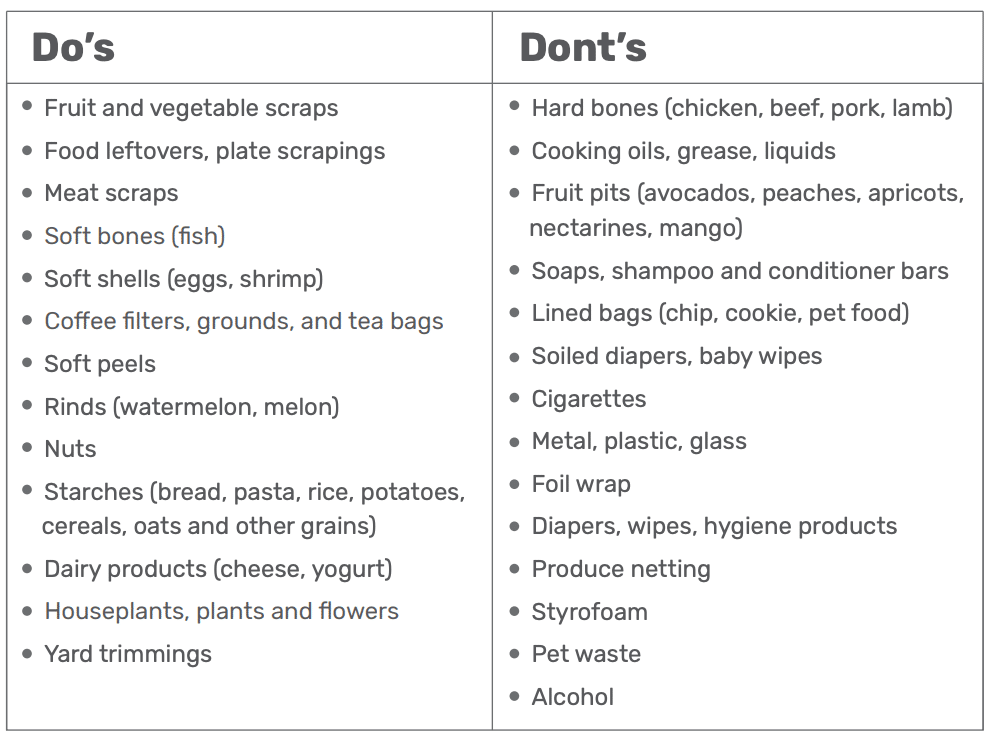
Lomi also recommends cutting up fibrous fruits and vegetables, like pineapple and mango peels, so they don't get stuck in the grinder. This was a big one for me. When I didn't cut things up, they wrapped around the blades, which made it much harder to clean.
Quick Takes: TLDR
- Best for: Small households with a garden or a place to use homemade compost.
- Not ideal for: People with limited counter space, anyone without a use for the compost, or homes with dogs that dig in garden soil (like mine).
- Pros:Easy to use, reduces food waste, and costs less upfront than many other electric composters.
- Cons: No automatic start, long cycle times, hard to clean, takes up a lot of counter space
- Current price range: $449 to $549 as of October 2026
- My rating: ⅗
- Why I stopped using it: I had to remember to start every cycle, so scraps sat until I forgot about them, and I ended up with more output than I could use in my garden. I found an option that fits my household better.
Frequently Asked Questions
Not in my experience. I only added plant-based scraps and never noticed a smell while it was running. The Lomi uses charcoal filters to control odor, and they need to be replaced every few months.
No, the Lomi is fairly quiet. It sometimes clanks if something fibrous or hard gets in the bucket, but I ran it overnight and it never kept me up.
It depends on the mode. Eco-Express takes about 3 to 5 hours, Lomi Approved takes about 5 to 8 hours, and Grow takes about 14 to 20 hours.
For me, it came down to four things: it has no automatic start, so I had to remember to run it; I didn't have a place to use the dirt; my dogs kept digging it up in the garden; and it took up counter space I wanted for cooking. Long cycle times and cleaning are other common complaints.
It can be, especially if you find it on sale and you have a garden or another place to use the dirt. Newer models like the Lomi 2 and Lomi 3 have extra features, so compare them first. If you're buying a used Lomi, keep in mind that Lomi's warranty doesn't transfer to a new owner.
Be careful. Anything you put in the Lomi ends up in the dirt, including foods that are toxic to dogs like onions, garlic, and grapes. If your dogs like to dig, keep the dirt somewhere they can't reach.
What I Use Now
I switched to theMill food recycler, and it fixed most of the problems I had with the Lomi. It sits on the floor like a small trash can instead of taking up counter space, and I can set a start time so I don't have to remember to run it. The app is easy to use and shows my impact each month.
The biggest difference for me is what happens to the dried scraps. In Phoenix, Mill partners with R.City, a local farm that picks up your dried scraps once a month and uses them to grow produce.
If you live in Phoenix, you may have seen the city's Green Organics bin, but it's only for yard waste like grass clippings and branches, not food scraps. It's also only available in certain parts of the city.
Sign up for my newsletter to be the first to know when my Mill review goes live.