• Skip to primary navigation
  • Skip to main content
  • Skip to primary sidebar
  • Home
    • Meet The Team
  • Recipes
  • Shop
  • Quoted Online
  • Speaking & TV
  • Nutrition Writing

Phoenix Vegan Dietitian

menu icon
go to homepage
  • All Posts
  • Recipes
  • Quoted in the Media
    • Video Segments
  • Meet The Team
  • Digital Downloads
    • Instagram
    • LinkedIn
  • search icon
    Homepage link
    • All Posts
    • Recipes
    • Quoted in the Media
      • Video Segments
    • Meet The Team
    • Digital Downloads
    • Instagram
    • LinkedIn
  • ×

    Blog Posts

    November 4, 2025 Recipes

    Mary’s Holiday Yam and Cranberry Crumble

    Every holiday season, I remember one particular dish: a yam and cranberry crumble. My Great Aunt Mary (my grandma's sister) introduced me to this recipe while I was in college, and I had to learn more about it.

    The origin of this recipe is unknown, but my Aunt Mary got it from her daughter's friend from college, who visited from Hawaii for Thanksgiving in the 2010s and brought this dish to share. The original recipe and my version differ; I added my own touch and reduced the amount of sugar. 

    The Yam and Cranberry Crumble is festive, colorful, and full of flavor. Yams bring natural sweetness and a creamy texture when roasted, while cranberries add a bright tartness that balances everything. With a touch of warming spices and love, you’ll get it just right.

    My family only makes this twice a year, and each time is filled with lovely memories. I hope this dessert helps you create your own special moments with family and friends.

    The original yam and fruit casserole recipe.
    The original recipe that I've since modified (see below!)

    Food is More Than Food

    Food is more than just fuel, micronutrients, and calories. It connects us to traditions and to memories that shape our everyday lives and our holidays. Every bite can remind us of family gatherings, shared laughter, and the flavors that define moments in our lives, sometimes good or bad.

    This cranberry yam crumble is a classic holiday dish offering all the comfort and nostalgia of the season. It’s a dish that nourishes both the body and the heart.

    Healthy Eating for the Holidays 

    Healthy eating over the holidays doesn’t mean skipping the foods you love. It’s completely possible to enjoy your favorite foods while also reaching your health goals. These are some of my favorite healthy holiday tips;

    • Scan the table first and decide which dishes you truly want on your plate.
    • Use your plate method as a guide making half your plate with vegetables and fruits, a quarter with protein, and a quarter with whole grains or starches.
    • During the holidays, it’s important to pay attention to your hunger cues. Eat slowly and stop when you feel satisfied. You can pack up leftovers and have them later! 

    With these tips, you can enjoy the holidays without feeling restricted. Next, let’s look at how just because you’re vegan doesn’t mean your holidays have to be bland, and you can still eat with your family without missing out on meals and enjoy a tasty meal. 

    Vegan During the Holidays 

    Navigating the holidays as a vegan can feel tricky, especially if you’re new to plant-based eating. 

    Start by scanning the table and spotting dishes that are naturally vegan, like roasted vegetables, fruit salads, nuts, or a cranberry sauce like this one. Be mindful of sauces on the veggies like butter or a milk-based sauce.

    For gathers, bring a vegan dish to share. Focus on filling your plate with foods you enjoy, using the plate method to balance veggies, protein, and grains. Alternatively, you could host and make endless options. 

    Keep snacks handy for long gatherings and listen to your hunger cues. Eat slowly and stop when satisfied. 

    With a little planning, you can enjoy the holiday flavors and traditions without missing out.

    Ingredients You Need

    Canned Yams: Yams are naturally sweet and packed with fiber, which supports healthy digestion during the holiday season. They are also a rich source of vitamin A, important for eye health and immune function. Using canned yams saves time while still providing the same nutrients as fresh yams. 

    Whole Cranberry Sauce: Cranberries are high in antioxidants, which help protect your cells from damage. Choosing organic cranberry sauce is highly recommended to avoid high fructose corn syrup, a sweetener linked to obesity, diabetes, and heart disease.

    All-Purpose Flour: Flour provides structure for the crumble topping, helping it hold together while baking. While it doesn’t add much in the way of nutrients, it works as a base.

    Rolled Oats: Rolled oats add fiber, which can help keep you feeling full and satisfied. They also contribute a hearty texture to the crumble topping. Oats have minerals like magnesium and iron, which support energy and overall health.

    Brown Sugar: Brown sugar adds natural sweetness and a hint of molasses flavor to the topping. Using it in moderation provides just enough sweetness to complement the tart cranberries without overwhelming the dish.

    Recipe

    Print Recipe

    Mary’s Holiday Yam and Cranberry Crumble

    Servings: 8

    Ingredients

    • 2 (15 ounce) cans cut yams drained and rinsed
    • 1 (14 ounce) can whole cranberry sauce organic will have no high fructose corn syrup
    • ½ cup flour
    • ½ cup packed brown sugar
    • ½ cup rolled oats I like the Bob's Red Mill higher protein
    • 1 teaspoon ground cinnamon
    • ¼ cup vegan butter melted
    • 1 tablespoon ground flax seeds

    Instructions

    • Preheat the oven to 350°F (175°C).
    • Pour the cranberry sauce into an 8x8-inch baking dish. It may hold the gel shape from the can; that’s okay. Cut it into smaller pieces with a fork or knife.
    • Add the drained yams on top of the cranberries. Gently mix together, being careful not to mash the yams too much, you want them to still have shape.
    • In a separate bowl, combine flour, brown sugar, oats, cinnamon, and flaxseed. Add the plant-based butter and mix until the topping is evenly combined.
    • Spoon or sprinkle the crumble mixture evenly over the cranberry layer.
    • Bake for 30-35 minutes, until the top is golden brown and the cranberries are bubbling. Let cool slightly before serving. Enjoy warm!
    • If you like this recipe share it with a friend!

    Enjoy the recipe!

    October 28, 2025 Recipes

    Zero Waste Energy Balls

    The first time I made almond milk, I had no clue what to do with the leftover almond pulp and I really felt wrong about throwing it out. So I got creative and ended up with these delicious no-waste energy balls.

    This recipe turns that leftover pulp into delicious, no fuss zero waste energy balls. You get almond milk and a tasty snack from the same batch; a total win-win all around. 

    Making Almond Milk

    When you make almond milk at home, the last step is to strain after blending. Straining gives the milk a smoother, more commercial-like texture, but it also removes fiber, protein, and other nutrients. Most people prefer this texture, since the pulp can feel thick; like a super-pulpy orange juice, but creamy.

    I’ve yet to find an almond milk I liked with all the pulp included, and Erewhon doesn’t even make their pulp inclusion that way. That said, you can leave some pulp in the milk to boost nutrients without sacrificing texture too much. I recommend this approach when making homemade nut milks it’s a good balance of creaminess and nutrition.

    During straining, the fibrous parts of the almonds are caught. You can strain almond milk using a nut milk bag, cheesecloth, or even a specialized machine, depending on your setup and how smooth you want the milk to be.

    What is Almond Pulp?

    Almond pulp is the soft, grainy byproduct that is leftover after straining homemade almond milk. When almonds are blended with water, most of the liquid and some of the fats are extracted into the milk, while the fibrous portion stays behind as “pulp”. 

    Most people throw it out, but this leftover pulp is nutrient-rich and can be used in other creative ways. Like making these zero waste energy balls. 

    Fiber

    Almond pulp is a good source of dietary fiber since most of the skins and fibrous material stay in the pulp. Fiber supports digestion, helps keep you full, and contributes to stable blood sugar levels.

    Finding a way to use the pulp is important not only to reduce food waste, but because 95% of people don’t get enough fiber each day. The general recommendation is 38 grams for men and 25 grams of fiber for women each day (1). These balls have around 3.5 grams of fiber per serving. 

    Protein

    While some, but not much of the protein transfers to almond milk, a good amount stays in the pulp. This makes it a great way to boost plant-based protein in snacks, baked goods, or smoothies. Each serving has roughly 5 to 6 grams protein.

    Healthy Fats

    Even though much of the fat is extracted into almond milk, almond pulp still has heart-healthy monounsaturated fats. These fats support satiety and overall cardiovascular health. A study in Current Developments in Nutrition suggests that almonds may positively impact heart health by reducing LDL-cholesterol, an average of ~5% reduction in pooled results.

    Almond Pulp vs Almond Flour

    Almond pulp and almond flour are often viewed as the same, but they’re not the same. 

    These are the quick differences: almond flour is made by grinding blanched almonds into a fine, dry powder. Almond pulp, on the other hand, is the moist, fibrous leftover from almond milk making.

    Texture: Almond flour is dry and powdery, while almond pulp is soft and slightly damp.

    Use: Almond flour works well in recipes that need structure, like cakes or cookies. Almond pulp is best in recipes where moisture is welcome, such as energy bites, smoothies, or quick breads.

    Nutrition: Both have fiber, protein, and healthy fats, but almond pulp is lower in calories and fat since much of the oil is extracted during milk-making.

    If you want a flour-like texture, you can dry or dehydrate almond pulp and then blend it into a finer powder. This creates a lighter substitute you can use in some almond flour recipes.

    Ingredients You’ll Need

    Almond Pulp: High in fiber and healthy fats, almond pulp adds bulk and most of the nutrients you’ll get from this recipe. For other recipes, you can dry it and grind it into flour to even more zero/ low food waste recipes. 

    Cocoa Powder: Adds chocolate flavor without added sugar and provides antioxidants. Unsweetened cocoa works best; Dutch-processed will give a smoother taste but it’s the baker's choice! 

    Vegan Protein Powder (Vanilla): Boosts protein content to help keep you full. Choose a brand you like and check for minimal added sugar; see my protein powder guide for tips.

    Maple Syrup: A classic vegan sweetener that binds ingredients together. You can swap with agave or date syrup for a different flavor.

    Tahini: Adds healthy fats, protein, and a nutty flavor. Can be swapped with other nut or seed butters like almond or sunflower.

    Chia Seeds: High in fiber and plant-based omega-3s that help thicken the mixture while offering nutrients in an easy way. Flax Seed Meal: Or ground up flaxseeds. These add fiber, protein, and omega-3s. Toast lightly for a nuttier flavor.

    Recipe

    Print Recipe

    Zero Waste Energy Balls

    Ingredients

    • 1 cup almond pulp The fiberous part that is strained out from making the standard 4 cups of almond milk.
    • 2 tablespoons cocoa powder
    • ¼ cup vegan vanilla protein powder
    • ¼ cup maple syrup
    • ½ cup tahini
    • ⅛ cup chia seeds
    • ⅛ cup ground flaxseed (flaxseed meal)
    • hemp seeds, coconut, sesame seeds, freeze dried strawberries mashed, or any other toppings you want to roll the balls in

    Instructions

    • In a medium bowl, combine the almond pulp, cocoa powder, protein powder, chia seeds, and flax seed meal. Stir until evenly mixed.
    • Add the maple syrup and tahini to the dry ingredients. Use a spoon or your hands to mix until the mixture forms a sticky dough.
    • Scoop about 1 tablespoon of the mixture and roll it into a ball. Repeat until all the mixture is used.
    • Roll each ball in your choice of toppings for extra texture and flavor.
    • Place the balls on a plate or tray and refrigerate for at least 30 minutes to firm up.
    • Store the energy bites in an airtight container in the refrigerator for up to a week.
    • If you liked this recipe please rate it a five star and share with a friend!

    Notes

    When I got the almond pulp out of the fridge it wasn't completely dry like flour. It still had a little moisture from milk making, which is totally okay!

    Bringing it All Together

    These energy bites are packed with fiber, protein, and healthy fats, making them a perfect snack or quick breakfast. They’re easy to customize with your favorite toppings or nut butters. Keep them stored in the fridge to stay fresh and firm. If you try this recipe, tag me on Instagram so I can see your creations!

    October 20, 2025 Health

    Is Kratom Safe? What You Should Know Before Trying This “Natural Supplement"

    Kratom or what the internet is calling “gas station heroin” is often promoted as a “natural” way to boost energy, ease pain, or relieve anxiety. It’s sold in teas, powders, and capsules at wellness shops, kava bars, gas stations, and online; often right beside herbal supplements and protein powders. 

    As a Registered Dietitian, I’ve seen how the word natural can create a false sense of safety. That’s exactly what is happening with kratom: a product that acts on the same brain receptors as opioids, yet it’s largely unregulated and lacks clear safety data. 

    It’s important to understand what research says about kratom, including its risks and side effects, as well as what kratom is and why it is a hot topic.

    What is Kratom?

    Kratom (Mitragyna speciosa) is a tropical plant in the coffee family that grows naturally in Southeast Asia. Traditionally, people in countries like Thailand and Indonesia chewed the leaves or brewed them into tea to help manage pain, boost energy, or improve mood.

    Although kratom stems from this region, it has been banned in both Malaysia (1952) and Thailand (1943) because of the danger it poses and is considered as harmful as opiates and amphetamines. Possession of kratom leaves can even result in fines (1).

    Products can be concentrated and consumed in higher doses, which increases the risk of dependence and withdrawal. While it may seem harmless because it’s natural, kratom acts on the same brain receptors as opioids, which are addictive.

    “Although not an epidemic in its own right, the current trends in kratom use are cause for steadily growing concern, and it is likely to become a significant public issue in the near future if it continues on its current trajectory” (2).

    What the Research Says About Kratom

    Current research on kratom's active compounds, mitragynine and 7-hydroxymitragynine (7-OH), reveals significant concerns regarding their safety and potential for abuse. 

    Mitragynine (MIT), the main alkaloid (a naturally occurring plant compound) in Kratom, acts as an opioid receptor agonist. Meaning it binds to the same brain receptors as opioids and activates them. Animal studies show this can produce effects similar to opioid drugs, like pain relief, sedation, and potential for dependence.

    7-OH, a potent metabolite of mitragynine, is reported to be 10x times more potent than morphine, raising alarms about its abuse potential (3).

    At this time the FDA has not approved any kratom products due to insufficient evidence and has issued warnings about the risks associated with its use.

    Additional research is needed in this area. Current evidence suggests exercising caution with kratom, as we know there are risks but we do not fully understand all the associated risks. However, it does appear that those who started using it in or around 2020 are now reporting many adverse events.

    Reported Risks and Side Effects

    There are serious risks of taking Kratom. A 2019 study reported that moderate to heavy daily users of kratom (≥ 3 doses per day) commonly have cravings and withdrawal symptoms similar to those of quitting opioids or having opioid withdrawal.

    Of kratom users, 43% reported negative adverse events if they abstained for more than 48 hours (4).

    Not only are we seeing user-reported issues, but the American poison centres saw an increase in kratom-related calls, from 18 calls in 2011 to 357 in the first 7 months of 2018. 

    The US Centers for Disease Control and Prevention also found 91 cases in which kratom was identified as a potential cause of death from July 2016 to December 2017 (4). As of October 2025, there have been six total confirmed overdoses from synthetic kratom and most recently a fatal overdose in LA. 

    On many of these products there is a clear warning stating that leaf kratom may be habit-forming and harmful if consumed irresponsibly. And to avoid it if you have a history of substance abuse. That seems to me as if they know these products are dangerous when consumed regularly, yet there is no limit set.

    Side Effects of Kratom

    The range of side effects even at low doses, is extensive.

    Common short-term effects include nausea, dizziness, dry mouth, and constipation; symptoms that can appear quickly after use. More serious risks have also been reported, such as dependence, withdrawal symptoms, and liver toxicity. 

    Some users describe withdrawal experiences similar to opioid withdrawal, including irritability, fatigue, and muscle aches. 

    Because kratom products are not regulated, there’s also the risk of contamination with heavy metals or bacteria during manufacturing. Case in point, the multistate Salmonella outbreak in 2018 linked to kratom. These combined factors make this an unpredictable and unsafe product.

    The FDA has issued strong warnings against the use of kratom products due to reports of serious harm like liver toxicity, seizures, and substance use disorder. They also confirm that no kratom products are legally approved as medicines, dietary supplements, or food additives in the US. 

    Initially, what caught my attention about this topic was the number of user reported side effects including addiction that are reported online. I thought addiction to a product you can get at a gas station for $10? Let’s dig into this, and I found story after story.

    Real Stories and Warnings from Users

    After hearing about this I went on an adventure in Phoenix to see how easy it was to come across kratom. To my surprise, I found it at the first gas station I stopped at.

    At the first store, the products were somewhat hidden behind the sales desk. It wasn't very easy to locate them, but I noticed the K and asked the clerk to check it out closely. It was a kratom product marketed as containing 33% more kratom, with 45mg Mitragynine. 

    While Mitragynine is not as addictive as 7-OH, it still has potential for addiction. It also says on the packaging in all capital letters that it is not intended for daily use. I asked the clerk what it was, and she told me it was an energy shot. This is additionally problematic if the staff has not been trained on the dangers of kratom. 

    Because they were tucked away I couldn’t get a good picture, so I ventured to a second store slightly further into South Phoenix, where I found even more options with 7-OH.

    The infamous “Feel Free” products were displayed proudly on the counter. These are advertised as a plant-based and vegan alternative to alcohol. However, each bottle has a warning of the risk of habit-forming behaviors when consumed regularly. 

    On the front of the register, there was another brand of bottles. One empty box labeled extra strength, with kratom. Interestingly, this product uses a proprietary blend that doesn’t specify the amounts of ingredients but does list 80mg of mitragynine on the label.

    User Experiences with Kratom

    Most of the online discussions about Kratom lean negative, with many users sharing experiences of unwanted side effects or difficulty stopping use. The few positive reports often come from individuals who have used Kratom while transitioning off other substances, describing it as a temporary way to manage withdrawal symptoms rather than a long-term solution.

    On the Reddit page r/quittingkratom with over 53k followers there are countless anecdotes about experiences with kratom addiction, side effects, and overall negative reviews of kratom use. While Reddit is not a scientific source, it is a place for personal stories about quitting and withdrawing from Kratom. 

    Direct *Negative* User Quotes

    Here are some quotes that I found on Reddit and from YouTube videos recounting kratom experiences. 

    “I'm in detox for kratom extract beverages. I got hooked because I really liked the way it feels. But when I tried to get off it on my own, pure hell set in. The dope sickness is for real. I'm 4 days free and looking forward to being discharged and living clean and sober.”

    “Yesterday might have been the first full day off Kratom in years. I was so lethargic and could barely move. I couldn’t get any sleep.”

    “For the past 6 months, I’d been taking high doses of kratom daily, around 120g per day. I’d wanted to quit for a long time, but kept postponing it. Then everything changed when I had an epileptic seizure.”

    Another study found that doses in excess of 15g may mimic an opioid toxidrome (5). Which sounds like what this user was experiencing.

    “One day I was tired and needed energy so I decided to try it [kratom]. It’s been three weeks and I can’t quit. My habit is getting up there pretty high. I just took 80 milligrams to start my day.”

    “I've been using kratom extracts, consuming about 1000mg a day for several years. I’ve lost control over my life. The depression is so extreme I can barely handle it. I've  been trying to quit for too many months to count.”

    “I am constantly using kratom as a substitute for alcohol and have been in denial that I have a problem since I've fully quit alcohol and I've had 2 seizures since starting this product.”

    “I quit cold turkey almost a week ago. The withdrawals suck.”

    “I started withdrawing from 7-OH the very day I stopped. I couldn’t sleep, couldn’t eat, couldn’t stop moving like a ******** writhing centipede. It was awful. I’ve never been in so much pain. It was agony.”

    User Case Study

    I also thought it was worth mentioning the case study of a 38 year old woman’s severe kratom withdrawal after attempting to use kratom in place of suboxone for opioid addiction. She did show classic kratom withdrawal after overdosing on her depression medications. There were many factors in this case study, but it shows that easy access to and misinformation about kratom can be very dangerous.

    Safe Alternatives for Kratom

    If you’ve considered Kratom for pain, fatigue, or anxiety, there are safer, evidence-based options that can help. Of course, always check with your healthcare provider, especially if you’re taking other medications. 

    For chronic pain, approaches like gentle movement, physical therapy, and anti-inflammatory eating patterns including antioxidant-rich foods like fruits and vegetables, may help reduce symptoms without the risk of dependence. 

    For fatigue, consistent sleep routines, balanced meals, and hydration make a meaningful difference in energy levels. Also looking into stress and anxiety levels.

    If anxiety or stress is the concern, cognitive behavioral therapy, mindfulness, and/or regular exercise have strong research showing improvements. 

    Working with a healthcare professional can help personalize these strategies to your needs.

    The Bottom Line

    Kratom’s marketing often hides a simple truth: it is dangerous. 

    With limited research that is not positive, no standardized dosing, and reports of serious and addictive side effects, it’s a product that deserves caution. Honestly, I wouldn’t recommend it at all. 

    If you’re looking for ways to manage stress or pain, talk with a healthcare professional who can guide you toward safer, evidence-based options that won’t send you to rehab. 

    October 9, 2025 Drinks

    Basil Strawberry Oatmilk

    Summer is wrapping up, so before we close the chapter on summer here in Phoenix, I have one last summer recipe to share with you. It’s a little unique, but it came from the depths of my brain and ended up tasting incredible when I tried it out. It’s Strawberry Basil Oat Milk! 

    Equipment you need for Strawberry Oat Milk

    To make this delicious strawberry oat milk, you really only need two pieces of equipment to get started.

    Blender: Use your favorite high-powered blender. I have a Vitamix, which is my favorite, but any high-speed blender will do.

    Storage container: This recipe makes about 5 cups. I use 32-ounce wide-mouth Mason jars to store the finished milk. Write the date you make it on masking tape and stick it to the top of the jar.

    Fine Mesh Strainer: This is technically optional, but highly recommended. Use a nut milk bag or strainer to remove the sediment in the mixture; this will make the texture as smooth as something you’d buy at the grocery store.

    Ingredients you need for Strawberry Oat Milk

    This vegan strawberry oat milk is a fun way to enjoy one of the most popular berries out there. Making milk at home is an easy and cost-effective way to add a bit more variety to your dairy-free alternatives.

    Rolled oats: We can’t have oat milk without oats! Rolled oats are a healthy source of soluble fiber, which can help lower cholesterol levels and reduce blood sugar spikes. Avoid using quick or steel-cut oats; the recipe won’t turn out the same. 

    Chia seeds: Chia seeds boost fiber and add a healthy dose of omega-3 fatty acids, which is great for heart health! Blending them into the milk avoids the chia pudding texture while still adding nutrients. 

    Strawberries: Sweet and full of flavor. Strawberries are one of the stars of this show. They give a nice dose of vitamin C and antioxidants that can help reduce the risk of chronic diseases. One serving of eight strawberries has more vitamin C than an orange –110% of the recommended daily value (1).

    If you’re using frozen, let them thaw a little bit before blending, or you run the risk of messing up your blender. Frozen strawberries are like rocks. 

    Maple syrup: In addition to adding flavor and a bit of sweetness, maple syrup contains minerals like zinc and manganese that can help us meet our nutrition needs. Want to skip maple syrup? Throw in a date or two instead! 

    Basil: What makes this milk a little different is the use of basil. When I think of summer, strawberry basil comes right to mind, so they’re staying together even in this strawberry oat milk. 

    Vanilla Extract: One of the most common extracts in your cabinet, it doesn’t just need to be used for baking! Vanilla extract gives the oatmilk an extra boost of flavor. I like making homemade vanilla, saving nearly $100 on each bottle I make! Water: All milk recipes need a liquid. DYK that milk is primarily water. Having a liquid component allows the milk to blend smoothly.

    How to make basil strawberry oat milk

    Now that we know what we need to make it, fire up the blender and let’s get started.

    Recipe

    Print Recipe

    Basil Strawberry Oatmilk

    Equipment

    • High-Speed Blender

    Ingredients

    • ½ cup rolled oats I like the high protien from Bob's Red Mill
    • 3 cups filtered COLD water cold water = less slimy texture
    • 2 cups fresh strawberries (hulled and halved)
    • 1 tablespoon maple syrup (adjust to taste)
    • 1-2 fresh basil leaves
    • 1 teaspoon vanilla extract
    • 1 tablespoon chia seeds 

    Instructions

    • Add rolled oats, filtered water, strawberries, maple syrup, basil, vanilla, and chia seeds to a blender.
    • Blend on high for 30–45 seconds until smooth and creamy. Avoid over-blending to prevent sliminess from the oats.
    • Taste and adjust sweetness if needed.
    • For a smoother texture, pour the mixture through a fine mesh strainer or nut milk bag, then transfer to a sealed container.
    • Chill for at least 30 minutes before serving.

    Notes

    Shake well before each use and enjoy within 3–4 days.

    FAQs

    You've got questions, I've got answers. Here are some common oat milk making questions.

    Are flavored oat milks still healthy?

    If consumed in moderation, oat milks can be a part of a healthy, nutritious diet. This strawberry milk uses fresh strawberries, a great source of vitamin C and antioxidants, along with chia seeds, which provide anti-inflammatory Omega-3 fatty acids. It’s also low in added sugar.

    Store-bought flavored milks typically contain added sugar, usually around 16 grams per 8 ounces or more.

    Are there risks for making oat milk at home?

    Oat milk can be safely made at home when you follow basic food safety procedures. For more information on food safety basics, check out the USDA’s food safety guidelines. 

    How do I make oat milk less slimy?

    Oats are higher in soluble fiber, which can form a gel when mixed with liquids, helping to slow down digestion, promote fullness, and nourish gut bacteria. But that gel doesn’t look appetizing to drink.

    One way to reduce the slimy consistency of oatmilk is to strain it well using a nut milk bag or a fine mesh strainer, but be gentle. Because it is a gel, squeezing too firmly means you’ll squeeze the soluble fiber right back into your oat milk. 

    Another option is to use cold cold water, they helps reduce slimy textures as well. 

    What to Serve It With 

    Now that you’ve successfully made this Strawberry Oat Milk, how do you use it? Well there are many ways to enjoy this beverage either on its own or in a recipe.
    Because of the use of strawberries, this drink provides a good amount of vitamin C. Pairing this drink with a serving of high-iron cereals can help you boost your iron intake. Check out these 6 cereals high in iron.

    September 19, 2025 How to Go Vegan

    Soy Milk vs Oat Milk: What’s Better for You? A Dietitian Spills the Milk

    Soy and Oat milk are very popular dairy-free alternatives to dairy milk. Both are widely used for coffee, tea, cereal, smoothies, and baking. Chances are, if you’re vegan or vegetarian, you’ve tried one or both of these options before. 

    I’m not here to “spoil” your diet, but I do want to “spill the tea”or milk in this case on which one is better for you in this showdown of soy milk vs oat milk. 

    Soy Milk vs Oat Milk: What are they? 

    At one time, dairy alternatives were hard to come by. Nowadays, you can find plant-based milk alternatives at almost every grocery store, including soy and oat milk. 

    While both oat milk and soy milk can be used as dairy substitutes, they do have different flavors, textures, and nutrient profiles. Let’s take a look at their differences and similarities. 

    Soy Milk 

    Fortified soy milk is one of the first options for dairy-free alternatives. It is made by removing the outer hull of soybeans, boiling them under high pressure, and then grinding the cooked beans and straining the remaining liquid. 

    Flavorings, sweeteners and other ingredients may then be added with soymilk to improve the taste and texture. It’s often sterilized and homogenized (made to have a smooth and consistent mouthfeel similar to milk) to improve shelf-life. 

    With about 8.6 g of protein per cup, it’s similar to the protein in dairy milk. Brands often fortify soy milk with vitamins and minerals like Vitamin D, B12, and Calcium to add additional nutrients.. 

    The Dietary Guidelines for Americans and MyPlate encourage those who do not consume dairy to use fortified soy alternatives! 

    Oat Milk

    Oat milk is, well, made from oats. Oats are soaked in fresh water, and then blended and strained. The resulting strained liquid becomes the oat milk. Some companies choose to add flavorings or added sugars to improve taste, but some keep it simple with minimal ingredients. 

    With 1.6 g of protein per cup, it's lower in protein than other plant-based milks. Oat milk is often fortified with additional vitamins and minerals like vitamin B12, vitamin D, and calcium to make a source of extra nutrients. 

    Oat milk is a popular choice for coffees, lattes, cereal, and smoothies. Plain oatmilk can have a slightly earthy, slightly nutty taste, similar to oats. Some brands offer extra creamy or full-fat varieties that can help add a little frothiness to your morning cup of coffee, but look out for added sugars. 

    Soy Milk vs Oat Milk: Nutrition Breakdowns

    Soy milk and oat milk are common substitutes for dairy milk, but they have some key differences, primarily in protein, carbohydrates, vitamins, and minerals. Both have similar fat profiles and calories, and their nutrition will vary based on whether they are unsweetened, sweetened, or flavored.

    Protein

    Depending on your brand, soy milk contains 7-8 grams of protein per cup, comparable to dairy milk, while oat milk is lower, at around 1-2 grams of protein per cup. This isn’t horrible, but if you’re using milk to hit your protein goals, oat milk likely won’t get you there.

    Carbohydrates and Sugar

    Both oat milk and soy milk contain small amounts of naturally occurring carbohydrates and sugars. Soymilk has around 1-2 grams per cup, less than dairy milks, while oat milk contains 12-13 grams per cup, which is more similar to dairy’s 11-12 grams per cup. 

    Remember that total sugars are not the same as added sugars.Added sugars are sweeteners added after processing to improve sweetness. These are products like molasses, table sugar, cane sugar, coconut sugar, vegan honey, sucrose, glucose, and fructose. 

    If you’re looking to reduce your added sugars, consider buying unsweetened options or adding smaller amounts of your favorite sweetener or alternative at home.

    Fat

    Both oat milk and soy milk are lower in overall fat and saturated fats than dairy milk, especially when compared to whole milk. Oat milk and soy milk contain around 5 grams of fat, most of them unsaturated. 

    Soy milk and some oat milk brands have a lower amount of saturated fats, less than 0.5 g, compared to milk’s 4.5 grams. Lower amounts of saturated fats in plant-based milks are beneficial for our heart health. Saturated fats have been linked to higher LDL(bad) cholesterol levels.

    Vitamins and Minerals 

    Both oat milk and soy milk have calcium, B12, and vitamin D. Some brands are fortified with additional vitamins and minerals, like vitamin A, to make them more nutritious, but unfortified versions are also available. 

    The Dietary Guidelines for Americans and MyPlate recommend fortified versions to ensure we are getting the nutrition we need throughout the day, specifically for 3 of the primary micronutrients of concern: calcium, protein, and vitamin D.

    Soy Milk vs Oat Milk: Answering Common Questions

    We’re spilling the milk- again! We’ve gathered the list of top questions most people ask about non-dairy milks right here.

    Is soy milk or oat milk better for weight loss?

    When used in moderation, soy milk and oat milk can be used as part of a balanced weight loss plan. While soy milk contains higher protein and fewer calories, oat milk has slightly higher calories and lower amounts of protein, but does have fiber that may aid in helping you feel fuller, longer.

    Does soy milk mess with hormones?

    Soy is an integral part of many vegan and vegetarian diets. It has been linked to potential health benefits like reduction of hot flashes for peri-menopausal women and reduced risk of osteoporosis and cardiovascular disease.

    Soy does contain high amounts of phytoestrogens that act similarly to estrogen, a hormone present in both male and female bodies. Because of this, soy’s phytoestrogenic effect has been sensationalized to give the appearance that it will impact testosterone levels, creating the myth of the “Soy Boy.” 

    But does soy actually mess with hormones? NO. There is currently no evidence that shows soy has any significant impact on our hormones. 

    This expanded and updated meta-analysis of over 38 clinical studies showed no impacts on men’s hormones when they ingested soy or isoflavones (another word for phytoestrogens). At present, there is also no evidence to suggest it negatively impacts women’s hormones, either. 

    Soy Milk vs Oat Milk: Best Use Cases

    Soy milk is a versatile dairy-free alternative for baking, smoothies, and in coffee. It has similar protein content to dairy milk, although it may not be appropriate for those with soy allergies. Some people may choose sweetened versions when adding to puddings or pies.

    Oat milk is a great alternative when you are looking to increase your fiber intake. Unlike soymilk, oatmilk can have 1-2 g of fiber per cup. (Every gram counts when we’re trying to get 25-30g per day!) Oatmilk does have less protein than soy milk, but can be a great alternative for individuals with dairy or soy allergies.

    Oatmilk can be used as a 1:1 replacement for dairy in baked goods, but has a lower fat content, which doesn’t make it ideal for things like whipped cream.

    Spilling the Milk: Which One Should You Choose? 

    Unsweetened oat milk and soymilk are similar in taste and texture. 

    Soy milk is most similar to dairy milk in terms of protein and potassium, whereas oat milk is most similar to dairy milk in terms of carbohydrates, but has less protein overall. Both can be fortified with calcium, matching or exceeding the amount in dairy milk.

    Oat milk is a good alternative milk for individuals with dairy and soy allergies, while soy milk is a good staple option for those avoiding dairy.

    If you’re looking for the milk that’s right for you, try both! Test each one out for one week to see how they compare, while still considering your nutritional needs.

    soy milk vs oat milk nutrient comparison.
    *Estimates from USDA FoodData Central, nutritionals vary by brand

    August 23, 2025 How to Go Vegan

    Best Plane Snacks (TSA Approved)

    Travel is inherently one of the most difficult times to eat healthy. As soon as you walk through the security line at the airport, treat-yo-self mode turns on (at least for me it does) and it’s hard to bring yourself back from that. 

    The reality is, snacking while traveling can be healthy, especially if you set yourself up for success by planning ahead and pre-packing to avoid temptations and airport you (who is definitely not the same as regular you. Honestly, who even  is that person?)

    In this post I'll highlight what I recommend as a registered dietitian as the best plane snacks, what to pack, and what to avoid.

    Why pack snacks for air travel?

    There are so many reasons to plan healthy snacks to take on a plane, but as a registered dietitian here are the top reasons;

    1. Airport food is outrageously expensive. Packing your own snacks means saving money. In “girl math” standards that means more money to spend on the actual trip. 
    2. Most airports have limited options, especially if you have dietary restrictions, like being vegan.
    3. Pre-planning snacks leads to better for you choices = less bloating/ gastrointestinal issues/ fatigue/ cravings. All things we want to avoid on a flight. 
    4. Packing snacks means you can choose snacks higher in vitamins. Helping to better support your immune system for long flights.

    What makes the best plane snacks?

    The best snacks are those that comply with TSA snack guidelines. If you pack something you shouldn’t, they will make you toss it. Yes, I am speaking from experience and my 4.2 ounce Noka Smoothies that was NOT allowed. 

    Aim to make your plane snacks items that are:

    • Portable
    • Non-perishable
    • Not messy
    • Balanced (includes protein, fiber, healthy fats)

    Whole fruits, such as apples or pears, are perishable but hold up well, unlike messy oranges or grapefruits, and squishy things like grapes or berries. If you are traveling internationally, you will need to consume all fresh fruits before landing. These aren’t permitted in other countries. 

    Be careful not to violate TSA liquid rules. Yes, applesauce can be considered a liquid, and so is peanut butter.. Always check the updated TSA “What Can I Bring?” guidelines before you head out. These guidelines are subject to change between your last and upcoming flight.

    Pre-snacking essentials 

    In addition to packing healthy snacks to take with you on a plane, there are a few other recommendations that future travel-you will thank current you for: 

    • Be like the man who sat next to Elyse Myers on a flight: Bring sani-wipes to wipe down the table. Because bacteria is real and planes can be germy. 
    • Carry napkins to wipe your fingers after eating.
    • Hand wipes are great for longer flights if you need to freshen up.
    • Keep your snacks organized in reusable bags, such as Stasher, or use a method that works for you.

    Something as simple as planning for messes or managing potentially sticky situations can ease any anxiety around flying. Especially if you ever fly with children or have a high chance of knocking things off the tray table.

    How to make a healthy plane snack to pack 

    Solid snacks are your best friend. You can carry on *most* solid food on an airplane. Skip anything that’s a liquid, including juice, coffee, and smoothies. All liquids (including beverages) have to meet TSA’s 3-1-1- rule. Unless you have infants or a special medical condition, foods like applesauce or pudding can be considered liquids. 

    Take a look at TSA’s full FAQ about flying with food for complete directions.

    To make a healthy plane snack you want to make sure that it is balanced with two or more food groups. The formula is

    protein + carbohydrate OR fat + carbohydrate OR fat + protien

    Here are some good examples; 

    • Granola and a travel packet of nut butter with fruit
      • Check out my 5 ingredient vanilla almond granola
    • Protein bars (watch the added sugar >5g per bar)
      • Watch how to pick a “good” protein bar
    • Hummus & pretzel, cracker, or vegetable packs
    • Pre-packaged fruit & nut snack packs (look out for cheese!)
    • Energy balls
      • These cashew no bake cinnamon balls can be made up to 6 months in advance and kept frozen until you need a healthy snack to fly with.
    • Nuts, trail mix
    • Dried fruit (Soley is a travel fave!)
    • Whole Fruits
    • Simple Sandwiches
      • Can’t go wrong with a simple PB&J. Some flights don’t allow for peanuts if a passenger with an allergy is flying so to be safe you can also use sunflower butter instead. 

    And don't forget to pack an empty reusable water bottle: Fill it up with the water dispenser once you go through the security checkpoint, and you’ve saved time and money. Why is a bottle of water in the airport $7 anyway?

    Plane snacks to skip 

    Experience has taught me that some snacks just aren’t the best when it comes to air travel. Some of these include snacks that are:

    High Sugar Snacks

    Snacks high in sugar may cause blood sugar spikes followed by crashes, and may also increase cravings, leading to feelings of sluggishness. Additionally, sugary foods can worsen digestive issues.

    Messy Snacks 

    Saucy and hands-on snacks also make the list of foods to skip. Messy foods are a challenge in the air because you can’t clean up as easily as you can at home. Additionally, hands-on meals without proper hand washing may lead to sickness. 

    Crumbly Snacks

    No one wants to be covered in crumbs during a long flight. Stay away from foods that produce a lot of crumbs, like Nature Valley Granola Bars, if you don’t want a huge mess, sorry! 

    Smelly Foods

    Have you ever been next to someone eating tuna? It smells awful, and what’s worse is that it's in an enclosed space, like an airplane, where you can’t get away from it. Other foods that also fit in this category are broccoli, kimchi, and other fermented products.

    Broccoli, kimchi, and fermented foods are great and have many health benefits, but have a strong odor best left off an airplane.  

    Healthy plane snack: cheat code (it’s done for you)

    Yes, packing snacks is a great method, but sometimes it’s not always practical, and you’d rather just get healthy snacks that show up at your door to throw in your carry-on and peace out. I find this to be true when I’m traveling a lot for work, the less I have to do the better. 

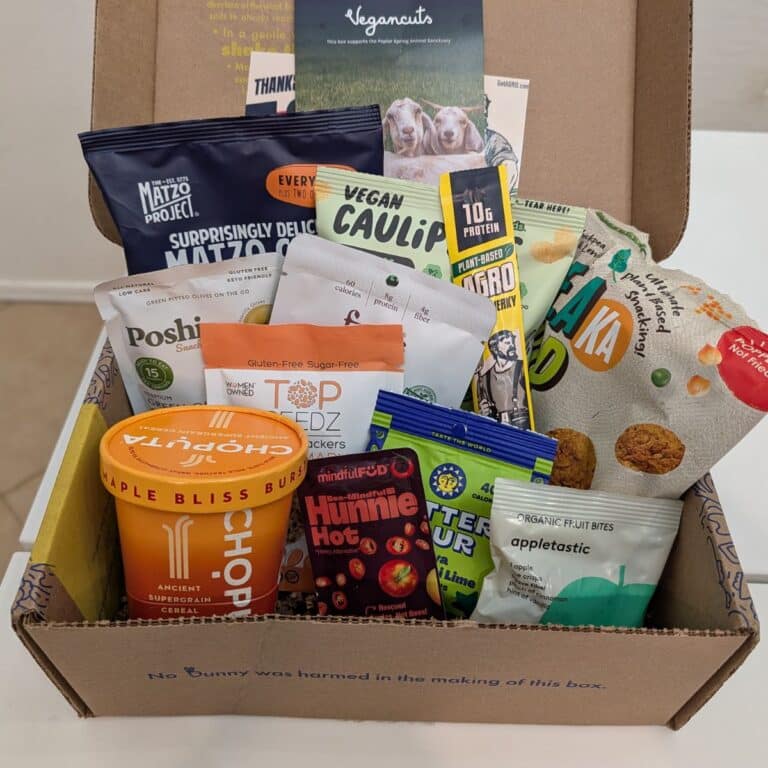
    There are many snack services that you can sign up for to get vegan plane snacks to your door. I personally like Vegan Cuts and find it to be a perfect way to get healthy snacks with no work on your part. 

    Plus, not only do they work for planes, but they are also great for snacking at home too! Get 25% off your order with code RHYAN 

    Ready for Take Off

    No matter how you choose to snack, know that there are many options for plane snacks that are vegan. And it is possible to have healthy snacks while traveling. You can pack your own snacks, or use a delivery service to get snacks delivered to you!

    Best plane snacks formula

    July 31, 2025 Health

    Vegan Foods With Creatine: What You Need to Know

    Creatine is a popular nutrition supplement many may have heard of, and for good reason! Our bodies naturally make creatine, which helps us transfer energy to our muscles and other cells, but there are many foods with creatine in them.

    You can find creatine in most animal-based products; however, vegans have options too!

    And, I know what you might be asking, isn’t creatine just for athletes? The answer- No! Not only can creatine help build more muscle mass over time, it may be beneficial for more, like our brain health. 

    In this post, I’ll highlight the benefits of creatine, how I as a registered dietitian, identify good sources, and when to know when supplementation may be right for you.

    What is Creatine?

    Creatine is a naturally occurring compound within our bodies. It is made from three essential amino acids (the main building blocks of proteins): arginine, glycine, and methionine. 

    These three essential amino acids are combined in our livers, kidneys, and pancreas to produce roughly half of our body’s daily creatine needs. The other half we get through diet or supplementation. 

    Creatine from our diets follows a similar path to the creatine created in our bodies. After being processed, it travels via the bloodstream primarily to our skeletal muscles for their use throughout the day. 

    Creatine’s main job is to help create a stream of energy into our muscles that helps them flex or contract.

    It is also used in other parts of our bodies, like the heart, brain, and other tissues. Studies suggest that creatine supplementation may improve short term memory and reasoning skills for healthy individuals.

    Why Creatine Matters for Plant-Based Eaters

    Vegans and vegetarians often have reduced creatine stores because they lack as many creatine-rich sources in their diet. 

    In a session I attended at our annual Arizona Academy of Nutrition and Dietetics Conference, I discovered that studies show vegans have up to 20% lower creatine levels than omnivores. 

    Vegans who are also women may benefit from creatine supplementation to alleviate fatigue and brain fog, especially during menstruation. 

    Vegan Sources of Creatine 

    While our bodies naturally produce creatine, as vegans you can really only boost your intake in two ways:

    Through Food/ Fortified Foods with Creatine

    Vegans can increase their body’s ability to make creatine through specific plant based foods that have good amounts of the individual amino acids that help make creatine: arginine, glycine, and methionine. 

    Plant-based sources of these precursors include:

    • Soybeans, tofu, tempeh
    • Seitan
    • Beans, peas, and lentils
    • Quinoa
    • Whole grains with oats, wheat, barley, or rye
    • Nuts and seeds
    • Plant-based milks high in protein like soy or pea.

    Some plant-based protein sources often have different levels of amino acids than others. 

    Peanuts, for example, are often high in arginine but can be lower in methionine and can sometimes be referred to as “incomplete” proteins. Eating plant proteins higher in methionine, like cashews during the day can help vegans maintain adequate intakes of all essential amino acids in a 24-hour period. 

    Complete proteins are often referred to as proteins that contain all 9 essential amino acids that reach adequate standards for human nutrition. Plant proteins that meet these guidelines include soy products like edamame, tempeh, and tofu, and quinoa.

    Research shows that vegans don’t need to combine proteins at each meal as long as they eat all essential amino acids throughout the day. 

    Through Supplements

    Supplementation can be an easy way to increase your body’s creatine levels. Because creatine is such a popular supplement, it can be found in a number of powders, tablets, pills, liquids, or bars to suit your taste preferences.

    Studies indicate creatine supplementation is generally safe for most people; however, you should always speak with a healthcare provider before trying new supplements or diet regimens. 

    Who Should Consider a Creatine Supplement?

    You may benefit from creatine supplements if you are a(an):

    • New Vegan
    • Athlete 
    • Adults
    • Not currently pregnant or breastfeeding

    Individuals who have impairments to their liver or kidneys, are diabetic, or are pregnant or breastfeeding may need to speak more in depth with their healthcare providers to help determine their safety risks.

    Benefits of Creatine?

    There are numerous documented benefits of creatine, including those derived from foods that have creatine and from creatine supplementation. Most studies use some type of creatine supplementation. Here are some of the top benefits. 

    • Lean muscle mass over time
    • Improved athletic performance
    • Better recovery
    • Increases cognitive function for older adults
    • Reduce dehydration
    • Reduce muscle cramps
    • Glucose management

    How to Take Creatine?

    Our bodies make about 1gram a day of creatine, which means we need to eat about 1 gram a day through diet or supplementation. Most studies currently recommend taking 3-5g of creatine a day. 

    Some individuals choose to complete a “loading phase” for creatine, where you consume 20-25 grams of creatine spaced throughout the day for 5-7 days before resuming supplementation of 3-5 grams per day. While creatine loading is considered safe, it’s not necessary. 

    Smaller doses can lead to the same results with fewer side effects. 

    High amounts of creatine do cause some side effects, including:

    • Bloating/discomfort
    • Upset Stomach
    • Increase water retention (temporary)
    • Increased blood pressure
    • Possible weight gain

    In my clinical experience, the best way to use creatine supplements is to consume them alongside a balanced, protein and carbohydrate rich meal. 

    Additionally, you should start with lower initial doses and slowly build up tolerance over time to help reduce any uncomfortable side effects. 

    Which Creatine to Take?

    When looking for the best supplement to take, try to look for options with just creatine on the label. Always check that supplements are third-party tested or NSF certified, such as Optimum, Gnarly, or NOW Foods. 

    I recommend ConCret. It’s a highly soluble form of creatine, and all products are 7x more concentrated than the standard creatine monohydrate. 

    Creatine vs Creatinine

    Creatine and Creatinine sound really similar, but are two different substances. 

    Both are compounds created by the body; however, creatine helps give our muscles energy to contract. Creatinine is a waste product generated when creatine is used by our muscles and subsequently filtered out of the body by our kidneys. 

    We can use creatinine levels from bloodwork to help measure kidney function, which can help inform healthcare providers of potential problems, like kidney damage or disease.

    Last Power Up

    Creatine is a compound naturally produced by our bodies, but there are also vegan foods with creatine. It helps our bodies supply energy to our muscles, making them contract during exercise, can improve our endurance and has promises to improve brain health, especially in older adults. 

    People commonly use creatine supplements to increase strength, improve their performance, and improve their memory. 

    Creatine is safe for most people, however, you still want to speak with your healthcare provider before powering up with creatine. 

    July 24, 2025 Plant Protein

    Vegan Steak (Offbeast) Review

    Filet Mignon isn’t something you’d expect to see a vegan version of, but we can no longer say that, because Offbeast has created its version of a vegan steak. This post is an Offbeast Filet Mignon review from taste, ingredients, and overall nutrition facts. 

    About Offbeast Vegan Steaks

    Offbeast is a plant-based meat company based in Maryland. Their steaks and other products are made in small batches weekly and shipped out on Mondays. Orders have to be placed by Sunday night to ship on Monday. 

    This review is of their filet mignon, which I received from the brand at no cost to me. They have many other products. Including: Ribeyes, Steak Bites, Salmon Filets, and their newest item Chicken Filets (preorder only).

    Their products are Vegan Friendly Certified, which means the product is 100% vegan and has no animal ingredients, along with cruelty-free manufacturing processes. 

    Review of Vegan Steak / Cow Steak Nutrients

    This section is a comparison of vegan steak and cow steak per 4-ounce serving (~100g). I'll use the package information for the plant-based version and the nutrition facts from the USDA for the cow filet. 

    Offbeast Filet Nutriton Facts from Offbeast.com

    Protein 

     Protein is one of the most talked about topics in plant-based eating. Luckily this vegan steak is made with high protein ingredients and has a slight edge over the amount of protein in a cow steak. The vegan steak has 29 grams of protein while the cow steak has 27 grams. 

    You need protein to build and maintain muscle, but the amount of protein we need is often overstated in the US. Here’s the science and calculation for finding your protein needs and macronutrient distribution. 

    The recommended dietary allowance (RDA) for protein for vegans is 0.9 grams per kilogram of body weight for an average individual not aiming to build or gain muscle. This minimum amount can be adjusted based on factors such as activity level, age, and overall nutrition goals.

    To find your weight in kilograms, divide your weight in pounds by 2.2. 

    Example 200lbs/2.2 = 90.90kg

    With your weight in kilograms, multiply by the RDA to get your daily needs.

    90.90kg * .9 = ~82 grams of protein per day. 

    Additionally, you can ensure that your protein goals are within the Acceptable Macronutrient Distribution Range (AMDR), which means that 10–35% of your daily calories come from protein.

    Carbohydrates

    Unlike steak from a cow, plant-based steaks will have some carbohydrates. Carbohydrates aren’t a “bad” thing and provide our bodies with energy in the form of glucose. 

    The vegan steak has 8 grams, which is only 3% of the daily recommendation, and would classify as a low carb product. A cow based steak has 0g carbohydrates.

    Saturated Fat 

    Saturated fat is one category that has been linked to negative heart health outcomes over and over. The American Heart Association recommends that no more than 6% of your daily calories come from saturated fats. Red meat like steaks are one of the leading contributors to saturated fats.

    In the vegan steak there are 2 grams of saturated fat and in a cow based steak there are 7 grams.

    Cholesterol

    Cholesterol is naturally produced in our bodies, and all animals, including humans make it. While cholesterol levels are an indicator of heart health, it was previously thought that dietary cholesterol was the primary cause of high cholesterol levels. 

    However, recent research indicates that elevated cholesterol levels are predominantly linked to higher saturated fat intake (1). It's important to note that elevated cholesterol levels are a contributing factor to cardiovascular disease.

    To help reduce high cholesterol, it's recommended to keep cholesterol intake "as low as possible" (2) and reduce saturated fat to no more than 6-10% of total daily calories.

    For comparison, vegan steak contains 0 grams of cholesterol because plant-based products do not have cholesterol, whereas cow steak has 97mg of cholesterol.

    Iron 

    Anytime someone is low in iron they always get the advice to “eat a steak.” Meats are a source of iron, however there are plenty of plant-based sources of iron that have more iron than 1.7mg per serving. 

    In this case the vegan steak has double the amount of iron coming in at 2.7mg. Making this a great pick for plant-based eaters looking to increase their intake of iron rich foods.

    Review of Offbeast Vegan Steak Ingredients List

    The ingredient list for the Offbeast filet is as follows: 

    Ingredients: Water, wheat gluten, non-GMO textured vegetable protein (isolated soy protein, wheat gluten, wheat starch), canola oil, yeast extract. Less than 2% of: refined coconut oil, vegetable juice concentrate (color), natural flavor, garlic powder, spices, baking soda, lycopene (color), salt, sunflower lecithin, l-cysteine hydrochloride from non-GMO soybeans.

    vegan steak cooking in butter in cast iron skillet
    Cooking Offbeast steak in herbed butter

    Overall the ingredients are fairly simple and these are ingredients you can find at home for the most part. In the section below, I’ll highlight some of the main ingredients or ones that many people have questions about. 

    Wheat Gluten

    Wheat gluten, also known as seitan, is the main protein found in wheat. When you wash wheat flour dough with water, the starch rinses away and the elastic protein network remains. That protein is then cooked and seasoned to mimic meat textures.

    Gluten gives that firm, chewy texture you’d expect from a steak. It holds together well, absorbs flavors like a sponge, and crisps nicely on the outside when grilled or seared.

    Lycopene 

    Lycopene is a natural pigment and antioxidant found in red foods like tomatoes and watermelon. In vegan steaks made from seitan, it’s often added to mimic the red color of raw meat.

    This helps create a more realistic look without using artificial dyes. While its main role here is visual, lycopene also offers potential health benefits like supporting heart health and reducing inflammation.

    L-cysteine hydrochloride 

    L cysteine is an amino acid and hydrochloride is a form of salt. This is used as a flavor booster in meats. It helps soften the dough, reduces mixing time, and improves the overall dough consistency. It also has antioxidant properties, which may help extend its shelf life.

    Offbeast Filet Mignon Taste/ Texture Review 

    My overall review of Offbeast Filet Mignon vegan steak.

    Taste

    The flavor was rich and savory, especially after cooking it with vegan butter, just like I see Gordon Ramsay do on his shows (LOL). I think that extra step brought out a seared, slightly smoky taste with a satisfying umami finish.

    Texture

    I cooked the vegan steak as a full filet without slicing it first. The texture reminded me more of a roast than a traditional filet more dense, hearty, and structured. It wasn’t dry or rubbery and held up well during cooking. It cut easily with just a fork, which made it feel tender but not exactly like a steakhouse filet. 

    Rating this out of 5 is challenging because I think had it been chewier, I wouldn’t have liked it and said it was too chewy. 

    Rating this product out of 5 is challenging. If it was chewier, I would have found it unappealing and excessively chewy.

    Cost Breakdown 

    When comparing the cost of vegan steaks to a cow steak. Filet mignon is one of the most expensive cuts of meat. I looked for a “high quality” option that would be similar to the vegan version. Here is the price comparison. 

    • Vegan steaks are $50 (+$8 shipping)
    • Filet mignon steak (4 pack) from Omaha Steaks is ~$70  (+19.99 shipping)

    The vegan option is more affordable in this example. There may also be other filet mignon options, but looking at one that is similar and requires shipping, this is what I found. So, for everyone who says vegan meats are more expensive, not in this case! 

    Pros

    • High protein (29grams!)
    • Heart healthier than animal-based meats
    • Taste is 5/5
    • Texture ⅘
    • Innovative and fun 

    Cons

    • Harder to find. You can order online, but right now it is limited in stores. 
    • Cost is higher than other vegan meats. But, like a filet mignon this is a fancier cut of meat and you wouldn’t eat every day.

    Overall, Offbeat offers a vegan steak that is high in protein and easy to cook. I don't have a coupon code for this one, but would recommend ordering and giving this a try. 

    TLDR: Offbeat has a vegan steak that is high protein and easy to cook! I don't have a coupon code for this one, but would recommend ordering and giving this a try. 

    July 10, 2025 Health

    Top 10 Vegan Foods High in Iron

    You’ve probably heard that you need to eat “enough iron,” especially on a plant-based diet, but there’s little guidance on what iron is, where to find it, and how much you need. As a registered dietitian, this is one of the top questions I receive. Today, this post will highlight vegan foods high in iron. 

    What even is iron?

    First things first, what is iron? Iron is an essential mineral important to our health and well being. In addition to being one of the most abundant minerals on Earth, it’s found in a wide range of foods we eat. 

    Iron helps your body move and use oxygen. It’s a key part of hemoglobin, the protein in red blood cells that carries oxygen from your lungs to the rest of your body. Iron is also found in myoglobin, a protein that stores oxygen in your muscles so they can work properly. 

    Without enough iron, you might feel tired or weak because your body isn’t getting the oxygen it needs.
    Besides being an excellent companion to hemoglobin and myoglobin, iron helps enzymes function and produce energy in the mitochondria (it may be the powerhouse of the cell, but it still needs iron’s assistance). Iron also participates in the making of DNA, bolsters immune function, and helps produce several hormones.

    The two types of iron

    There are two different types of iron in the foods humans eat: heme and non-heme iron. Both types of iron can be absorbed, but the type and source determine how much we are able to absorb.

    • Heme iron is mostly found in animal-based products like meat, poultry, and fish. This type of iron is highly bioavailable, meaning that it’s more easily absorbed because it’s similar in chemical structure to hemoglobin or myoglobin in our own bodies. It’s responsible for up to 40% of the iron found in animals.
    • Non-heme iron is found in plant based foods like lentils, beans, tofu, and spinach. It’s often added to fortify cereals, and makes up about 60% of the iron found in animals. This type is often less bioavailable, meaning those who are plant based need to be more mindful of their sources in order to meet their iron needs.

    Plant foods can have just as much iron as meat, sometimes even more. But they also contain something called phytates, which make it harder for your body to absorb the iron. Drinking tea or coffee with meals can lower iron absorption too because they have compounds like caffeine and polyphenols that get in the way.

    Eating an iron rich meal with a healthy serving of Vitamin C rich foods is a great way to increase absorption. Good sources of Vitamin C include citrus, strawberries bell peppers, and cruciferous vegetables like broccoli, cauliflower, or brussels sprouts.

    How much iron do vegans need?

    The Recommended Daily Amount (RDA) varies according to your age, life stage, and sex. Women often require more iron than men due to menstruation and other physiological factors. 

    RDA: Iron
    AgeAmount Needed
    Women19-50 years18 mg
    Pregnancy27 mg
    Breastfeeding9mg
    51+ years8mg
    Men19 years and older8mg

    Because plant based sources of iron are often accompanied by phytates, caffeine, and some other “anti-nutrients”, plant sources of iron can inhibit its absorption. This simply means that vegans and vegetarians may need to be more mindful of their dietary choices, as they may require up to 1.8 times the recommended iron intake.

    RDA: Iron for Plant-Based Individuals*
    AgeAmount Needed
    Women19-50 years32 mg
    Pregnancy45 mg
    Breastfeeding16.2 mg
    51+ years14.4 mg
    Men19 years and older14.4mg

    *Always speak with a healthcare provider before making significant changes to your diet.

    10 Vegan Foods High in Iron

    Having a good source of iron is essential for everyone. There are a number of high iron containing foods that can help vegan and vegetarian individuals meet their iron needs. To be classified as “High Iron” foods, products must contain 20% or more of the daily value of iron (usually 8mg). Here are some of the top 10 highest plant based sources of iron.

    10 Cashews

    Cashews are a creamy, nutty favorite known for their flavor and versatility. 1 ounce (about ¼ cup) of raw cashews contains about 1.9 mg iron.
    Here are 6 more nuts high in iron to help boost your intake

    9 Sesame Seeds

    Sesame seeds offer excellent concentrated sources of iron in small amounts. ½ ounce (about 1 ½ tablespoons) of sesame seeds contains 2.1mg of iron.

    8 Beets

    Beets are not something you always think of as iron rich, but they have quite a good amount. 1 cup of cooked beets will give you about 2.9mg of iron.

    7 Prune Juice

    Prune juice has a reputation for making it easier to go…number two, but did you know 1 cup of 100% prune juice has around 3 mg of iron?

    6 Lentils

    Lentils come in brown, green, yellow, or red varieties. ½ cup cooked lentils gives us about 3.3 mg iron. These are also a great source of plant-based protein! 

    5 Beans 

    Beans, beans, the magical fruit! Beans are an excellent source of plant-based iron, but vary by kind. White beans can offer up to 3.9 mg iron, while kidney beans offer 2.6 mg, and lima or navy beans offer 2.3 mg iron per ½ cup serving.

    Check out this full list of iron-rich foods from the Academy of Nutrition and Dietetics. 

    4 Pumpkin Seeds

    Another seed makes the list, agrugly one of my favorites. Pumpkin seeds are an excellent source of iron, providing 4.2 mg per 1 oz serving (¼ cup)

    This High Iron Smoothie uses pumpkin seeds to give you a head start on your iron needs, meeting over 20% of your daily needs. 

    3 Soybeans

    Soy foods are a great source of protein, but did you know they are also an excellent source of non-heme iron? Whole soybeans contain up to 4.4 mg iron, while firm tofu can provide 3.4 mg per ½ cup serving.  

    2 Spinach

    There is a reason Popeye the Sailor ate so much of this iron rich vegetable. 1 cup of cooked spinach has 6.4mg iron per serving. Cooked Swiss chard, another iron rich leafy green, have 4mg per 1 cup serving.

    1 Whole Grains and Fortified Cereals

    Whole grains and fortified foods often hold the plant-based top spot when it comes to meeting your iron needs. Most whole grain foods contain anywhere from 1-12 mg of iron per 1 cup serving, while fortified cereals can offer up to 16.2 mg iron per ½ cup. 

    If you’re one who loves to enjoy a bowl of cereal,  it’s an easy way to help meet your iron needs. Check out these 6 cereals high in iron.

    Have you been told you need to increase your iron intake? We’ve carefully curated each meal to boost your iron while carefully balancing your other nutrition needs in this High Iron Vegan Meal Plan. *Psst! Your taste buds will thank you.*

    What is iron deficiency?

    Iron deficiency anemia is, as the name implies, is when your body doesn’t have enough iron. 

    Without enough iron, it’s hard for your body to make enough red blood cells to carry enough oxygen around your body. It can lead to extreme tiredness, a lack of energy, shortness of breath, and other symptoms.

    Signs and Symptoms of Iron Deficiency

    Although individuals with mild iron deficiency may not notice any symptoms immediately, those with a more severe deficiency may experience more pronounced symptoms.

    • Taste changes, sore or swollen tongue
    • Pica- cravings for non-nutritive substances like ice, dirt, or detergent starch
    • Brittle nails or hair loss
    • Paler skin
    • Fatigue
    • Difficulty concentrating, headaches
    • Chest pain, shortness of breath, or fast heartbeat
    • Circulation problems, like cold hands or feet

    Contact your primary care provider if you notice any of these symptoms. For changes in your diet, consider working one-on-one with a Registered Dietitian Nutritionist.

    Blood tests to check iron status?

    There are several tests to help you and your healthcare provider determine if you are iron deficient. Please not this is NOT meant to serve as diagnostic criteria, but is general education about tests for iron deficiency. These tests include the following:

    Complete Blood Count (CBC) 

    A Complete Blood Count (CBC) is a test that measures the different types of cells in your blood. It is one of the most common tests ordered, and while the results of this test do not always indicate iron deficiency, they can often point your provider in the right direction.

    Hemoglobin

    Iron is essential to producing hemoglobin, an iron containing protein in red blood cells that carries oxygen in blood. Low hemoglobin on a lab test, which might mean you have iron deficiency or even iron deficiency anemia.

    Hematocrit

    Hematocrit is the percentage of red blood cells found in the blood. When the body is low in iron, it’s harder to produce enough red blood cells.  A low hematocrit level on a lab test can be a sign of iron deficiency or anemia.

    Mean Corpuscular Volume (MCV)

    Mean Corpuscular Volume (MCV) is the average size of Red Blood Cells in a given sample. Low MCV means smaller red blood cells in general, which don’t carry oxygen as well. This can be a sign of iron deficiency.

    Mean Corpuscular Hemoglobin Concentration (MCHC)

    Where MCV is the average size of red blood cells in a sample of your blood, Mean Corpuscular Hemoglobin Concentration(MCHC) measures the amount of hemoglobin present in red blood cells compared to the total volume of those cells. Similar to hematocrit, a MCHC will be low if your body’s iron stores are low.

    Serum Ferritin

    Serum Ferritin is a measure of how much iron is in your body. Low serum ferritin indicates that there are low amounts of iron in the blood and that the body stores are low. This can be an indicator of iron deficiency, although it may also be a sign of other autoimmune disorders or illnesses. It’s best to consult with your medical provider for specific details. 

    Transferrin or Total Iron-Binding Capacity (TIBC)

    Total Iron Binding Capacity (TIBC) measures the amount of iron that can bind to a protein called transferrin in your blood. Transferrin is a protein produced in the body that regulates how much iron can get into our red blood cells. 

    When more iron can bind to transferrin, that means iron stores can be low. These lab tests produce very similar results, meaning providers often order one or the other.

    If you have concerns about your iron levels or suspect you are experiencing symptoms of iron deficiency, consult your primary care provider.

    Do I need an iron supplement?

    Not everyone who is low in iron may need an iron supplement. If you are low in iron, here are some steps to consider: 

    • Assess your diet. Need to make tweaks? Check out my High Iron Vegan Meal Plan.
    • Consider switching to using cast iron cookware or something like this Lucky Iron Fish.

    Has your doctor recommended that you take an iron supplement? Vegans should look for a supplement made with plant focused ingredients, with added vitamin C for optimal absorption.

    June 21, 2025 Health

    Comparing Pea Protein vs Hemp Protein: What’s the difference?

    Hemp and pea protein are two solid options if you're new to plant-based eating. Both are complete proteins and easy swaps for anyone cutting back on animal products. Pea protein comes from yellow split peas, while hemp protein is made from hemp seeds.

    In this post, I’ll highlight the difference between pea protein vs hemp protein from a registered dietitian's point of view. 

    What is Pea Protein?

    Pea protein comes from yellow peas.

    Pea protein is naturally lower in fat, low-sugar, low-carbohydrate, gluten-free, dairy, and soy-free, making it a popular choice for those with food allergies or those who follow dairy or gluten-free diets. However, it’s important to still check nutrition labels for any unwanted allergens or ingredients.

    What is Hemp Protein?

    Hemp protein is a plant-based protein made by grinding the seeds of hemp plants. Although hemp comes from the same plant as marijuana, it does not contain sufficient amounts of THC or psychoactive compounds that could induce a high. 

    Hemp protein powder contains less protein than pea protein but offers higher fiber content. It is also naturally low in carbs and free from gluten, dairy, and soy.

    Protein Content and Quality

    Pea protein has a higher protein content compared to hemp protein. While both hemp and pea proteins contain all nine essential amino acids, they typically exhibit lower quantities of at least one amino acid, which complicates their classification as complete proteins. 

    Pea Protein

    Pea protein has approximately 27 grams of protein per ¼ cup serving. It has up to 80-90% protein, and is a natural source of branch-chain amino acids (BCAAs) which help build and repair muscle. 

    Pea protein is also higher in histidine, which is important for gut health and acts as a strong antioxidant to combat free radicals in our bodies. It also has phenylalanine, which plays an important role in making neurotransmitters and hormones.

    Hemp Protein 

    Hemp protein has approximately 15 grams of protein per quarter cup serving. 

    Many studies consider hemp a complete protein, meaning it contains all nine essential amino acids that the body needs from food. However, although it does have lysine, some research suggests that hemp protein may have lower levels of lysine, an essential amino acid crucial for calcium absorption and maintaining skin health. 

    Other protein sources, such as soy or pea protein, offer significantly more protein per serving; however, hemp provides fiber, omega-3 fatty acids, and other nutrients that are essential for our overall health.

    Comparison: When comparing the protein content of pea protein vs hemp protein, pea protein is lower in methionine but contains more protein per serving, while hemp protein may be lower in lysine and have less protein per gram. 

    Micronutrients and Vitamins in Pea and Hemp Protein

    Protein powders don't just have protein, but are frequently enriched with micronutrients such as fiber, omega-3 fatty acids, vitamins, and minerals like iron or calcium.

    This section takes a closer look at the additional nutrients found in pea and hemp protein powders. 

    Pea Protein

    Pea protein is a great source of iron. Most pea protein powders contain around 5-7.5 grams of non-heme iron per serving, which is approximately 15% of the 1.8x higher recommended daily allowance (RDA) amount needed for individuals following a plant-based diet.

    Non-heme iron is iron found in plants and is less absorbable than heme iron found in animal products. Heme iron can be improved with the addition of vitamin-C-rich foods like lemons, oranges, or other citrus fruits.

    Not only does pea protein have iron, but some are also fortified with additional micronutrients, including B vitamins, vitamin E, and minerals like copper and zinc.

    Recommended Daily Allowances (RDA) for Iron

    AgeMenWomenPregnancyLactation
    19-50 years8mg18mg27mg9mg
    51+ years8mg8mg

    Source: Iron Fact Sheet, NIH

    Plant-Based Recommended Daily Allowances (RDA) for Iron

    Age
    Women19-50 years32 mg
    Pregnancy45 mg
    Breastfeeding16.2 mg
    51+ years14.4 mg
    Men19 years and older14.4mg

    Hemp Protein

    Hemp protein powder is a moderate source of protein, but has other nutrients, like fiber, omega-3 fatty acids, and minerals like zinc, magnesium, and non-heme iron.

    One of the standout nutrients is alpha-linolenic acid (ALA), a plant-based omega-3 fatty acid. Unlike EPA and DHA from fish, ALA comes from seeds like hemp, chia, and flax. ALA plays a role in heart health and helps lower inflammation. 

    Including a variety of ALA-rich foods can help support overall omega-3 intake in a vegan or vegetarian diet.

    Hemp protein is also a source of magnesium, which supports muscle and nerve function. Zinc is also found in hemp protein and plays a role in immune health. Non-heme iron helps carry oxygen throughout the body, especially for those who do not consume animal-based iron sources.

    Comparasion: When comparing pea protein vs hemp protein, pea protein is high in iron, while others may be fortified with zinc, copper and additional nutrients, while hemp protein has a more balanced nutrition profile, with a moderate amount of protein, but a good source of fiber, iron, zinc, magnesium and omega-3s.

    Is Pea Protein or Hemp Protein Easier to Digest?

    Pea Protein

    Pea protein is generally well tolerated by most people and does not cause gasiness or bloating like whole peas, because it is lower in fiber content. Research shows pea protein is easily digested, just behind soy and chickpeas.

    Hemp Protein

    Research suggests that 91-98% of ground hemp seeds are digestible, meaning your body can use most of the nutrition found in hemp to build muscle, maintain body functions, and repair itself.

    Hemp protein is an excellent source of fiber, containing 7-8g fiber per ¼ cup. This can cause gas, bloating, and cramping for those not used to it. If you are starting from a low-fiber diet, you may want to increase your use of hemp powder gradually.

    Women should consume at least 25 g of fiber a day, while men should strive for at least 30 g. When increasing fiber, always increase water intake.

    Comparison: When it comes to pea protein vs hemp protein, pea protein is more easily digestible. Hemp protein is a great way to incorporate both protein and fiber into your daily routine; however, increases in fiber may cause temporary gas and bloating. 

    How Do Pea and Hemp Protein Taste?

    Pea Protein

    Many report a mild, earthy, or grassy flavor. Some find pea protein a bit more bitter and chalky than other options. However, this is often easily masked in smoothies, shakes, or sauces - my favorite way to enjoy it!

    Hemp Protein

    People report hemp protein has an earthy, nutty flavor that works well in both sweet and savory dishes. You can choose to purchase hemp protein in seed form, ground form, or powdered form, which may impact its texture.

    Because it retains its fiber content, hemp protein can be grittier than other protein options. Hemp protein is a good choice for those looking to boost their fiber content by adding it to baked goods, sprinkling it on salads, blending it in smoothies, or adding it to puddings.

    Comparison: When looking for the tastiest protein source, you can’t go wrong with hemp or pea protein. While pea protein is a bit milder and easily blended into smoothies, sauces and shakes, hemp protein with its higher fiber content blends better in baked goods, smoothies, shakes, and puddings. 

    Whichever option you choose, it’s best to try a small amount of protein before you buy in bulk. Check out these 12 dairy and lactose free protein shakes, several of which use pea protein powder.

    Overall Scoop

    Both pea and hemp protein can be beneficial additions to your daily routine, depending on your specific needs. Here’s a quick comparison chart.

    chart of all key features of pea protein vs hemp protein

    Subscribe to my newsletter for more plant-based nutrition tips.

    June 12, 2025 Plant Protein

    No Bake Cinnamon Balls with Cashew Butter (VIDEO)

    These energy cinnamon balls are the kind of snack you can make in minutes and feel good about eating. With cashew butter, oats, and a dash of cinnamon, they’re soft, sweet, and satisfying.

    Why Make These Energy Balls 

    These cinnamon energy balls are quick to make, with no baking required. You only need a handful of pantry staples like cashew butter, protein powder, and cinnamon. They come together in one bowl and are ready in under 15 minutes.

    They're naturally sweetened with vegan honey, so you skip the refined sugar. Each no-bake cinnamon ball has fiber, healthy fats, and a little protein to help keep you full. That makes them ideal for a mid-day snack or pre-workout boost.

    You can take them on the go, store them in the fridge, or freeze a batch for later.

    Ingredients you need

    You don’t need anything fancy to make these energy balls. Most of the ingredients are likely already in your pantry. They’re all simple, plant-based, and gluten-free. Here’s what you’ll need. 

    Cashew Butter: Adds a creamy texture and healthy fats that help hold the balls together while providing long-lasting energy.

    Vegan Honey: Naturally sweetens the recipe and acts as a sticky binder to help everything stick. I used Mellody Honey, which has the same chemical formula and structure as honey produced by bees. 

    Cinnamon: Enhances the sweetness and gives the balls their cozy, spiced flavor.

    Vanilla Protein Powder: Boosts the protein content and gives the balls a satisfying texture and subtle vanilla taste.

    Almond Flour: Adds structure and softness while keeping the recipe gluten-free and nutrient-dense.

    Optional add-ins: rolling the balls in cinnamon sugar and topping them with a white chocolate drizzle.

    How to make Energy Cinnamon Balls

    Making these cinnamon balls is as simple as mixing a few ingredients in a bowl and then rolling them together.

    View this post on Instagram

    A post shared by Rhyan Geiger | Vegan Dietitian 🌱🖤 (@phxvegandietitian)

    Step One 

    In a bowl mix together the ingredients. Until it comes together as a paste. If you have a texture preference you can add more liquid or dry ingredients or for a crunch use chunky nut butter.

    Step Two

    Once the consistency is reached, spoon out dollops of the mixture and roll them into ball shapes using your hand. You could also use a scoop to make this easier, but that is not required to make this recipe.

    Step Three

    Roll each of the balls into a cinnamon sugar mixture and drizzle with non-dairy white chocolate and enjoy. You can make these ahead and freeze them for up to 6 months. Make sure to thaw them before eating. 

    Recipe

    Print Recipe

    No Bake Cinnamon Balls with Cashew Butter

    Ingredients

    • ½ cup cashew butter
    • 3 tablespoons vegan honey I used Mellody Foods
    • ¼ teaspoon pure vanilla extract
    • ½ teaspoon ground cinnamon
    • ¼ cup vegan vanilla protein powder I used NOW Foods
    • ⅓ cup almond flour
    • ½ cup melted white chocolate optional for drizzle
    • cinnamon sugar optional for coating energy balls once rolled.

    Instructions

    • In a bowl mix together cashew butter, vegan honey, vanilla extract, cinnamon, protien powder, and almond flour. Until it comes together as a paste.
    • Once a smooth paste has formed, spoon out about 2 tablespoon dollops of the mixture and roll them into ball shapes using your hand. You could also use a scoop to make this easier,
    • Roll each of the balls into a cinnamon sugar mixture and drizzle with non-dairy white chocolate and enjoy
    • If you liked this recipe, it would help out so much if you could leave a comment or rate the recipe. Just scroll down and click on the number of stars you rate this recipe. Thank you!

    Notes

    You can make these ahead and freeze them for up to 6 months. Make sure to thaw them before eating.

    FAQ

    You’ve got questions about the recipe, I’ve got answers

    Can I swap out the cashew butter?

    Yes, any nut butter will work in this recipe! If you want more plant-based omega-3s, swap the cashew butter with walnut butter.

    Can I make these nut-free?

    Yes, these can be made nut-free by using a seed butter like sunflower butter. If you have multiple food allergies, consult with your doctor prior to trying/testing new foods. 

    Did you try this recipe? Tag me on Instagram @phxvegandietitian

    June 5, 2025 How to Go Vegan

    Vegan vs Vegetarian Diets What's The Difference?

    More and more people are opting out of purchasing animal products. According to data from a 2022 survey by The Vegetarian Resource Group, 6% of the US population is either vegan or vegetarian, and 63% eat vegan or vegetarian meals at least on occasion. But what exactly is the difference between vegan vs vegetarian?

    Despite the surge in popularity, there's still plenty of confusion over the differences between vegan vs vegetarian diets among the general public. Understanding the differences helps people make more informed lifestyle choices for themselves.

    It allows others to provide appropriate options for vegans and vegetarians both at home and in public establishments.

    Below is a guide to the key distinctions that are good to know.

    Vegan vs Vegetarian Diets in Simple Terms

    Broadly speaking, vegetarians don't eat meat, animal fats, or anything else that necessitates killing an animal, whereas vegans abstain from ALL animal ingredients. This means vegans avoid dairy, eggs, seafood, poultry, animal-based food additives, and usually honey as well. 

    In essence, all vegan food is vegetarian, but not all vegetarian food is vegan.

    The details become a bit more complex when comparing the various versions of vegetarian diets

    Ovo-vegetarianism

    Ovo-vegetarians are very close to, but not quite vegan. The only animal product they eat is eggs or egg-containing foods.

    Lacto-vegetarianism

    Lacto-vegetarians avoid eggs, but they consume dairy products. This includes foods like dairy milk, yogurt, cheese, and ice cream.

    Ovo-lacto-vegetarianism

    This last category of vegetarians is the most common, and it's a combination of the previous two. Ovo-lacto-vegetarians don't consume any sort of meat, poultry, or seafood, but they eat both dairy and eggs. This is the generally accepted basic definition of "vegetarian".

    There are two other diets that aren't strictly vegetarian, but are close enough to be worth mentioning in this post. They are: pescatarians, and flexitarians. 

    Pescatarian diets are an ovo-lacto vegetarian diet plus fish and shellfish. This pattern excludes poultry and red meat, but it includes seafood, dairy, and eggs. 

    Flexitarians also have more relaxed boundaries than vegetarian diets. They rely on plant-based foods for the most part, but do include animal-based foods on occasion. This could be as strict as only eating animal-based foods once a year for a special occasion, or as loose as eating vegetarian throughout the weekdays but having no restrictions on weekends.

    Why Choose a Vegan Vs Vegetarian Diet

    After deciding to pursue a less animal-based diet, the choice between veganism or vegetarianism is an exceedingly personal one that each person needs to make according to their own values, beliefs, and lifestyle factors. 

    For most people, animal welfare plays a huge role in this choice, but health benefits, environmental reasons, and even religious reasons are important to consider too.

    There's little doubt that veganism is the gold standard for avoiding animal cruelty, and this is likely why it's the most significant reason for going vegan.

    That being said, becoming fully vegan isn't always an option for even the most avid animal lovers out there. Some people may find it difficult to be vegan because of limited access to vegan food, a lack of nutrition knowledge, inadequate food preparation skills, food allergies (nuts and soy especially), specific health concerns, disordered eating recovery, or cultural and social factors. 

    While most people can go vegan, it is important to recognize the barriers and challenges they face, and to avoid judging others for doing what they can at their current stage in life.

    Vegetarianism is an approachable way to reduce animal consumption for anyone struggling to be fully vegan, and it can even be a stepping stone towards a lifestyle completely free of animal products in the future.

    Regardless of an individual's specific diet, the desire to reduce reliance on animal products is a commendable goal that brings together vegans and vegetarians alike.

    The Day-to-Day Differences Between Vegans and Vegetarians

    There are plenty of similarities between vegans and vegetarians, but day-to-day life looks a little different for each camp. One of the toughest areas; eating outside the home. 

    There are more vegan items and even fully vegan establishments than ever before! So while the problem of finding options is exasperating at times, it's becoming less prominent. Awareness and interest in vegan food have spread..

    Seasoned vegans are much more familiar with the limited options in most food establishments. Thankfully, there are a few ways to manage this. The longer you’re vegan, the more savvy you are at customizing restaurant dishes to avoid animal ingredients (and finding all vegan-friendly hidden gems)

    Another major difference is that vegetarianism is an easier concept for most people to understand than veganism, why? The answer to me is unknown. 

    Friends and family will likely be able to accommodate making vegan meals for gatherings, but don’t expect it to happen overnight. Patience in explaining which ingredients aren't vegan, along with offering helpful vegan cooking tips, can go a long way in bridging this gap.

    Some Helpful Tips to Navigate Life as a Vegan:

    • Download an app such as HappyCow to help find vegan options in your area.
    • View menus online before heading to a restaurant to make sure there's something you can eat.
    • Keep snacks on you throughout the day to avoid desperately purchasing non-vegan convenience foods.
    • Use an app like Spoonful or WhatsVegan to scan labels for non-vegan ingredients while shopping.
    • Prepare for busy days in advance by prepping quick breakfasts and a packed lunch.
    • Connect with a vegan community to find encouragement and share tips.
    • Learn how to cook delicious vegan meals that you enjoy.
    • Shop around for vegan substitutes for foods you used to love (vegan cheese, vegan ice cream, etc.).
    • Bring shareable vegan dishes to social gatherings so you have something to eat, and everyone else gets introduced to how delicious vegan food can be.

    Animal Food Additives To Watch Out For

    Avoiding meat is straightforward enough, and even identifying dairy and egg ingredients is doable for most people, but spotting animal-based food additives is a bit trickier.

    Sneaky Animal Ingredients Vegetarians Should Know:

    • Gelatin - A thickening ingredient derived from animal connective tissue collagen, often found in jello, gummies, and marshmallows.
    • Carmine - A red coloring agent from crushed cochineal insects found in items like candy, ice cream, and fruit juices.
    • Rennet - Enzymes extracted from the intestines of young ruminant animals (cows, goats, or sheep) sometimes used in cheese-making.

    Sneaky Animal Ingredients Vegans Should Know:

    Include the sneaky ingredients for vegetarians, vegans should also keep an eye out for; 

    • Beeswax - A wax secreted by honeybees that can sometimes be found in gum, licorice, or used as a coating on candy or fruits.
    • Lactitol - A sweetener derived from milk.

    The Last Bite

    Vegans and vegetarians both exclude meat, but vegans also refrain from dairy, eggs, and honey. While they share many similarities, their diets fundamentally differ. It's helpful to remember that while all vegan foods are vegetarian, not all vegetarian foods qualify as vegan. 

    Every small intention decision adds up, and while no lifestyle is perfect, supporting a less animal-reliant diet is needed to create a healthier world.

    May 29, 2025 Breakfasts

    Dairy Free Almond Milk Waffles With Lemon Yogurt Topping

    To make a batch of these dairy-free almond milk waffles, you don't need much. You need just a few pantry staples and a little time.

    Waffles make a great weekend breakfast. You get those perfect little pockets that hold syrup, nut butter, or whatever toppings you like best. Have you ever cut along the lines and eaten each square one by one? When I was younger, okay, and now too, that’s my favorite way to eat them.

    Are waffles healthy?

    Yes! Waffles are a wonderful addition to your diet. The best part of this breakfast option is that you can customize it to suit your tastes and needs. At the same time, it includes nutrient-rich foods like whole grains, nuts, seeds, fruits, or even vegetables, as this recipe does. 

    Are waffles vegan?

    Traditional waffles often use milk or eggs. It’s easy to make waffles vegan with just a few tweaks to the ingredients. These almond milk waffles are made with (you guessed it) almond milk, flour, chia and flax seeds, and many more plant-based ingredients.

    Ingredients You Need For Almond Milk Waffles

    This recipe makes waffles crispy on the outside and fluffy, light inside. As a bonus, I, a dietitian, couldn’t help but hide a serving of veggies in these waffles and use half whole grain flour for even more nutrients.

    ingredients laid out on white tile with text over each ingredient for dairy free almond milk waffles.

    1:1 Whole Wheat to All-Purpose Flour

    This mixture is one of the best ways to add a deeper, nuttier flavor. It is also a boost of whole grains without making the entire waffle too dense. It’s a great way to sneak more whole grains into your day.

    Cinnamon 

    What are waffles without cinnamon? Bad. Cinnamon adds a warm flavor to this recipe, perfectly complementing the nuttier and sweeter flavors present.

    Baking Powder

    Baking powder is a must-have ingredient in vegan baking. It helps these almond milk waffles rise. Unlike baking soda, baking powder doesn’t require an acid (like buttermilk) to rise, making it more versatile in many baking recipes.

    Almond milk

    Almond milk is the main source of liquid for this recipe and adds a subtle, nutty flavor. It’s a great vegan alternative and can be a lower-calorie alternative to soy milk, especially if it’s unsweetened. Almond milk is often fortified with calcium and vitamin D to give you an additional boost of nutrition.

    Zucchini

    Adding zucchini is a perfect way to incorporate more vegetables into your diet. Most Americans don’t get adequate amounts of vegetables or fruits every day. Using zucchini in this recipe not only adds a delicious vegetable, but also serves as a liquid source for this recipe.

    You don't need to worry about your breakfast tasting like zucchini, because it absorbs the flavors in the recipe. Incorporating zucchini into your breakfast offers a source of potassium and vitamin C to help keep your immune system strong.

    Avocado oil  

    Helps with browning. I suggest using avocado oil for this recipe due to its neutral flavor profile, which doesn’t affect the taste. If avocado oil isn't available, any neutral vegetable oil will work.

    Flax Egg 

    A mixture of ground flaxseed and water. Flaxseed absorbs water to create a jelly-like substance, similar to eggs. Flax seeds are a good source of omega-3 fatty acids and fiber. To make a flax egg, add 1 Tablespoon of ground flaxseed to 3 tablespoons of water and stir. Let it sit for 5 minutes to thicken.

    Chia seeds

    Chia seeds add texture and more nutrients to this recipe. One tablespoon adds about 2 grams of protein and 4 grams of dietary fiber.

    Lemon zest

    This adds citrus notes and adds brightness to the flavor profile. Combined with the lemon yogurt topping, it contrasts with the earthy, sweet flavors of whole grains and zucchini. Make sure you wash your lemon prior to testing.

    Recipe

    Print Recipe

    Dairy Free Almond Milk Waffles With Lemon Yogurt Topping

    Servings: 4

    Ingredients

    Flax Egg

    • 1 tablespoon ground flax
    • 2 tablespoons filtered water

    Waffle Batter

    • ¾ cup whole wheat flour
    • ¾ cup all purpose flour
    • 2 teaspoons cinnamon
    • 1 teaspoon baking powder
    • 1 tablespoon chia seeds
    • 1 cup almond milk
    • ½ cup shredded zucchini don't squeeze out the water
    • 1 tablespoon avocado oil
    • 1 teaspoon vanilla extract
    • ½ lemon zested

    Yogurt Topping

    • ¼ cup non-dairy yogurt (I like Silk Greek Style)
    • ½ lemon juiced

    Instructions

    • In a small bowl, mix together the ground flaxseed and water until combined. Set aside and let it sit for 5-10 minutes until it gets gel-like.
    • Preheat your waffle iron. If it has heat settings, set it to medium.
    • In a large bowl, whisk together all the dry ingredients (flours, cinnamon, baking powder, chia seeds)
    • In a separate medium bowl, mix all the wet ingredients (almond milk, zucchini, avocado oil, vanilla extract, lemon zest).
    • Pour the wet mixture into the dry and stir until just combined careful to not don’t overmix.
    • Scoop the batter into your waffle iron and cook according to the manufacturer's instructions (mine takes about 5 minutes).
    • While the waffles are cooking prepare the yogurt topping. In a small bowl add the yogurt and lemon juice and mix until combined.
    • Once the waffles are cooked through, top with the yogurt mixture and enjoy.
    • If you liked this recipe, it would help out so much if you could leave a comment or rate the recipe. Just scroll down and click on the number of stars you rate this recipe. Thank you!

    May 15, 2025 B12

    Top Dietitian-Approved Sources of B-12 for Vegans

    If you’re here, you’re likely vegan or considering becoming vegan, and at least somewhat curious about sources of B-12 for vegans. Vitamin B-12 is an essential nutrient necessary for our bodies to function, and it is often more difficult for vegans to find. 

    But what is Vitamin B12? Where does it come from, and why is it important for our bodies? You’re about to find out! 

    What is B12?

    B-12, also known as cobalamin, is necessary for creating copies of our DNA in our cells, neurological function, metabolizing protein and fat, and creating new red blood cells.

    Because of its widespread use in our bodies, when you become B-12 deficient, one of the most common symptoms is tiredness and fatigue. 

    Vitamin B-12 is produced by bacteria that live in soil. Plants or animals do not generate it; instead, it is ingested by animals and then built up and stored in most animal tissues. 

    The most common sources of B-12 come from animal products, like poultry, seafood, red meat, eggs, and dairy. Cows have a symbiotic bacteria in their stomachs that help them produce B12. Because vegans don’t eat animal products they have a harder time finding and consuming products with B12.

    cows grazing on grass

    Some edible plants and mushrooms can absorb and retain vitamin B12, and certain B12-producing microbes may be present on unwashed produce (1). However, these sources are not reliable ways to meet your B12 needs.

    The growing conditions of the plants often determine the level of B12 in them. Not to mention you could get sick from other bacteria or residual pesticides that exist on unwashed produce. Plus who is a fan of eating dirt? The best and recommended source of B12 for vegans is to take a supplement.

    Vitamin B Complex vs B12

    All B Vitamins are water soluble vitamins that all play vital roles in creating red blood cells and cell metabolism. Vitamin B Complex includes B-12, but also includes other B vitamins like pantothenic acid, pyridoxine (B6), biotin (B7), and folate (B9). 

    B-12 is digested differently from other B vitamins and needs folate to be best absorbed by the body. It is absorbed near the end of our small intestine, rather than shortly after it enters our small intestine, like other B vitamins. 

    How much B12 do vegans need?

    The Recommended Daily Allowance (RDA) for adults is 2.4 mcg per day. For the average person, this assumes that about half of the B-12 coming from foods will be absorbed.B-12 that comes from supplements is absorbed at a lower rate of about 1%. 

    This means that the RDA for vegans is much higher at a minimum of 250 mcg per day. Lacto-Ovo vegetarians are in a similar position and should consider a 250 mcg B-12 supplement several times per week.

    Please schedule an appointment with your dietitian or primary care provider for more specific information.

    How do vegans get vitamin B12?

    Vitamin B-12 is made by bacteria and stored in animals and very few plants that are edible to people. You can find several foods fortified with B-12. These include:

    • Nutritional yeast (15mcg per 2 tablespoons)
    • Plant-based milks (1- 3 mcg per cup)
    • Some fortified cereals (0.6 - 6mcg per ¾ to 1 cup)
    pea milk and almond milk in glass bottles with green lids being held by person in black tshirt in front of blurred shelves.

    B12 Supplements 

    While you can get vitamin B-12 from these fortified foods, it may be necessary to use a supplement for sources of B-12 for Vegans. Take a look at the supplements I recommend most often:

    MaryRuth Organics Vitamin B12 Liquid Spray 1,500mcg (no sugar alcohols) 
    Jarrow Formulas Methyl B-12 lemon flavor 1,000mcg
    Now Foods B-12 250 lozenges 1,000mcg B-12 with Folate

    Some B12 supplements contain sugar alcohols like xylitol or sorbitol, which improve taste and texture without adding sugar. However, these can cause gas, bloating, or diarrhea in some people, especially in larger amounts. 

    If you're sensitive, look for supplements labeled “sugar alcohol-free” or try a different form like a capsule. Typically, erythritol doesn’t cause digestive issues in how it is absorbed, which is the sweetener in the abovementioned ones.  

    Some multivitamins also contain B-12. If you’re looking for options, here are 10 multivitamins vegans will love. Before starting a supplement, please consult with your healthcare provider.

    Can I get enough B12 without supplements? 

    While you can use fortified foods to meet your recommended daily intake, it’s not always advisable. We don’t eat the same foods every day, and there may be times when B-12 fortified foods are unavailable.

    However, if you choose to use fortified foods, you will need to consume enough B-12 for at least 2.4 mcg per day, or about two fortified foods per day. Otherwise, it is advisable to supplement.

    Why is there so much B12 in supplements?

    Your body absorbs around 50% of B-12 from food, but only about 1% from supplements. Consequently, B12 supplements frequently contain higher levels of vitamin B12 than needed, enhancing the likelihood of absorption.

    View this post on Instagram

    A post shared by Rhyan Geiger | Vegan Dietitian 🌱🖤 (@phxvegandietitian)

    Symptoms of B12 deficiency in vegans

    There are a few signs and symptoms that may indicate that a B-12 deficiency is on the horizon.

    Megaloblastic anemia. This is a type of anemia in which the red blood cells are larger than they should be. Blood cells move up and down our arteries.

    When they are larger than they should be, they don’t move as quickly or as well. This makes it harder for your body to transport oxygen and other nutrients to other places, likely leaving you feeling tired and worn down.

    Elevated levels of homocysteine in the blood. As your B12 levels go down, the homocysteine level in your blood rises. However, this also occurs when an individual is folate deficient, which is always why it’s important to check in with your doctor.

    Gastrointestinal issues. B12 deficiency often increases the risk of peptic ulcers and chronic gastritis, or an inflamed stomach lining.

    Nerve damage. B12 deficiency can create peripheral neuropathy, the signs of which include numbness, tingling, pain, and weakness, especially in the hands and feet. The damage may not be reversed if it's not caught early.

    These signs and symptoms can indicate a deficiency, but their presence alone does not confirm one and could point to other issues. This information should not be used to diagnose or treat B-12 deficiency; if concerned, please have your lab tests conducted.

    How often should vegans get B12 checked? 

    Vegans should be checking their folate and B12 levels yearly. Because folate and B12 have such a close relationship, one deficiency can mask a deficiency in the other. It is necessary to have both checked. 

    It’s much easier for vegans to find plant sources of folate than B-12. This is why B-12 supplements are recommended as a primary source of B-12 for vegans. 

    B12 Takeaways 

    As you’ve seen B-12 is necessary for red cell production, neurological function, and DNA synthesis. It is absorbed with the help of its bestie folate. A folate deficiency can mask a deficiency in B12, and vice versa. 

    Inadequate levels of B-12 can leave us feeling tired and groggy. Deficiency can lead to nerve damage, anemia, and GI problems which may not be reversible if it goes on for too long. 

    To get adequate sources of B-12 for vegans, do one of the following:

    1. Eat fortified foods 2-3 times a day to get at least three micrograms of B12 daily.
    2. Take one B12 supplement daily that provides at least 10 micrograms.
    3. Take a weekly B12 supplement that provides at least 2000 micrograms.

    May 8, 2025 Plant Protein

    12 Dairy and Lactose Free Protein Shakes

    Protein shakes can be extremely beneficial for many people for various reasons. In this post, I’ll highlight ready-to-drink, lactose-free protein shakes that are available and what I appreciate about them as a dietitian. All the ones listed here do not have major red flags, but they are made differently, and the “best” option will ultimately come down to personal preference and specific needs. 

    Want to use protein powder instead? Check out this list of dairy free protein powders.

    Who Should Drink Lactose Free Protein Shakes?

    One of the biggest draws of protein shakes is that they are convenient. Whether on the go, traveling, or just running short on time. A protein shake can come in handy. I wouldn’t recommend them as your sole meal every day, but they can play an important role in helping you reach your nutrition goals.

    We may require more protein at various points in our lives. A shake offers a convenient way to increase our intake without much extra effort.

    Situations that might call for this include recovering from surgery, building muscle, experiencing depression, or dealing with life events like moving or having broken appliances. 

    How Much Protein Do You Need Per Day?

    So, how much protein should you aim to eat every day? Probably less than you think. The culture around protein in the United States is protein-obsessed. Protein is important, but many aspects of what we eat are just as important. 

    To determine your protein requirements, here’s the science and calculation for finding your protein needs and macronutrient distribution. 

    The recommended dietary allowance (RDA) for protein for vegans is 0.9 grams per kilogram of body weight for an average individual not aiming to build or gain muscle. This minimum amount can be adjusted based on factors such as activity level, age, and overall nutrition goals.

    To find your weight in kilograms, divide your weight in pounds by 2.2. 

    Example 200lbs/2.2 = 90.90kg

    With your weight in kilograms, multiply by the RDA to get your daily needs.

    90.90kg * .9 = ~82 grams of protein per day. 

    Additionally, you can ensure that your protein goals are within the Acceptable Macronutrient Distribution Range (AMDR), which means that 10–35% of your daily calories come from protein.

    Dairy Free Protein Shakes

    Finding dairy-free protein shakes can be challenging when everything nowadays has milk or milk powder in it. I scoured the internet and grocery stores to compile this list of 11 lactose-free protein shakes. 

    Each of these is broken down by taste, mouthfeel, and value to help you determine which, if any, is the right choice for you. They all vary in their composition, so if you have specific nutrient needs, be sure to check the highlighted protein and key vitamins and minerals. 

    If you have any nutrition concerns, please speak to your primary care provider. This post is for informational purposes only.   

    These are the 13 ready-to-drink, dairy-free protein shakes listed alphabetically. Next to the nutrients, you’ll see a checkmark, question mark, or x. These indicate how I rate the nutrition composition as a registered dietitian. 

    For reference, I am looking for at least 15 grams of protein. Any nutrients, such as fiber, calcium, or iron, that are 20% or higher are considered high, which is great to see. However, some will have? Instead of a check, this is largely because they aren’t red flags per se, and you can get those nutrients from other ingredients throughout the day.

    If there is an x, the amount is far above the recommended level. The recommendation is to keep added sugar below 10% of daily calories, so I am looking for anything less than 5% to be classified as “low sugar.”

    Aloha

    Giving off an island vibe, the Aloha brand brings beachy flavors to our homes. Their product line includes protein shakes, protein powder, and protein bars. The protein drink flavors include Vanilla, Chocolate Sea Salt, and, of course, Coconut. You can find Aloha drinks online.

    Nutrient Overview:
    (per 12 ounce bottle)
    190 Calories
    20g Protein ✅
    3g Fiber ❔
    5g Added Sugar (10%) 
    58mg Calcium ❔
    8mg Iron ✅

    Made with a blend of pea and brown rice protein and slightly sweetened with coconut sugar, this ingredient list is relatively simple and earns my dietitian approval.

    The Aloha shakes are an excellent choice for a high-protein snack. With only 190 calories, they are designed for snacking or as a post-exercise option, not as a meal replacement. The fiber content is reasonable for a protein shake. However, if you're looking to increase your calcium intake, this shake offers minimal calcium. You may want to incorporate higher-calcium foods into your diet. 

    When you order online, these drinks are shelf-stable and can be enjoyed chilled. The overall flavor and mouthfeel are also great, without any “chalky” texture.

    Evolve

    If you love our National Parks, this drink is for you. Evolve partners with the National Park Foundation and draws inspiration from the parks to design their packaging. Their plant-based protein shake flavors include creamy vanilla, double chocolate, and berry medley. 

    Nutrient Overview:
    (Per 1 vanilla carton)
    140 Calories 
    20g Protein ✅
    10g Fiber ✅
    4g Added Sugar (8%)
    4.5mg Iron ✅ 
    260mg Calcium ✅
    0.36 mcg B12 ✅

    Evolve shakes are made with pea protein isolate and sweetened with cane sugar and stevia. 

    Overall, this drink checks most of the boxes. It is high in protein and fiber and surprisingly meets 20% or more of daily calcium needs, which is excellent. This drink uniquely includes vitamin B12, an important nutrient, especially for those following a plant-based diet. Because of these factors, this drink earns my dietitian's approval.

    Besides nutrition, Evolve is working to reduce its environmental footprint by using yellow peas for protein because they require less water and also using packaging made from recycled materials.

    Huel

    Huel is one of the highest-calorie shakes available. Marketed as a “complete” meal on the go, it contains enough calories to be classified as a meal. The nutrient makeup isn’t half bad either.

    As a dietitian, I do advise caution with liquid-only meals. If you’re in a pinch for lunch or getting into breakfast, this could be a good option for you.

    Nutrient Overview:
    (Per 1 chocolate bottle)

    400 Calories 
    20g Protein ✅
    8g Fiber ✅
    2g Added Sugar (4%) ✅
    5mg Iron ✅
    260mg Calcium ✅
    0.8mcg Vitamin B12 ✅
    30mcg Iodine  ✅

    Because these are marketed as a meal, there are also many more vitamins and minerals that are not listed here. If this is of interest, you can read the full label to see how it aligns with your health goals. 

    Huel shakes are made with pea protein and sweetened with coconut sugar and sucralose (Splenda). They are certified vegan and kosher by the Vegan Society. 

    Koia

    Originally, I was going to review the Koia Protein Drinks, which are available in stores like Sprouts. This line offers many different flavors to choose from, and the tastes range from smash to pass. I love the chocolate peanut butter flavor, but these two flavors kind of complement each other. 

    While rummaging the internet for lactose-free protein shakes, I came across their “Nutrition Shake” option. This option is more in line with the other contenders on this list. Both are decent options, but the nutrition shake is better for reviewing nutrients.

    Nutrient Overview:
    (per 1 carton cacao bean)
    180 Calories
    20g Protein ✅
    6g Fiber ✅
    3g Added Sugar (7%)
    .5mg Iron ❔
    301mg Calcium ✅ 
    29mcg Iodine ✅

    This could be a perfect option if calcium is more of a nutrient of concern than iron is. Koia drinks are made with a blend of brown rice, pea, and chickpea proteins. They are a good source of both protein and fiber, making an excellent snack. They are sweetened with cane sugar and stevia. 

    Kate Farms

    This can feel intimidating because some medically styled drinks use terms like "peptides.” This language is used for their plant-based tube feeding formula (noting that, because it’s awesome and rare). The standard and peptide formulas can be consumed orally and taste quite good.
    However, Kate Farms created their non-medical feel nutrition shakes using quality ingredients similar to those of their medical line. These shakes are available for general consumers and are delivered right to your doorstep. 

    Nutrient Overview:
    (per 1 vanilla carton)
    330 Calories 
    16g Protein ✅
    6g Fiber ✅
    18g Added Sugar (36%) ❌
    330mg Calcium ✅
    5mg Iron ✅
    7mcg Vitamin D ✅
    2.1mcg Vitamin B12 ✅
    25% Iodine ✅

    These drinks are typically well tolerated by those with gut health issues and are made with organic pea protein. The only “red flag” these have is that they are the highest in added sugar on the list. These shakes use agave and brown rice syrup solids to add sweetness. 

    Orgain Plant-Based

    Orgain shakes are widely available in stores, including Costco. They come in two main flavors: chocolate and vanilla. Orgain offers both dairy and non-dairy options, so be sure to read the packaging to ensure you get what you want. 

    In this section, I will examine the 20g Plant-Based Protein Shake and discuss some of the other options they offer below.

    Nutrient Overview:
    (per 11 ounce chocolate carton) 
    140 Calories
    20g Protein ✅
    2g Fiber ❔
    0g Added Sugar
    510mg Sodium ❌
    7.5mg Iron ✅
    50mg Calcium ❔

    The Plant-Based Protein shakes are great if you’re looking to increase your iron intake. This version is higher in sodium, which usually isn’t a big concern if you’re exercising or active and using a shake as a post-workout recovery drink. However, if it’s your daily drink, the sodium amount may be too high for regular consumption.

    Orgain does have a wide variety of shakes. Their Vegan Organic Nutrition Shake has lower sodium, but does include added sugar. This further highlights the importance of knowing what you want to use the protein shake for and which specific nutrients you are focusing on. 

    OWYN

    Only What You Need (OWYN) offers a variety of flavors, including salted caramel, vanilla, and coffee. They also offer a variety of products. In this section, I will review the Complete Nutrition Shakes. 

    The flavors available online are dark chocolate, cold brew coffee, cookies & creamless. You can also find these in stores like Sprouts, with additional flavors such as Salted Caramel. The taste of these is great and highly liked by consumers.

    Nutrient Overview:
    (per chocolate carton)
    170 Calories
    20g Protein ✅
    5g Fiber ✅
    4g Added Sugar 
    5mg Iron ✅
    24mg Calcium ❌ 

    This one, like many others, has a good amount of iron and is ideal for those seeking to increase their iron intake. However, if you are looking for more calcium in your diet, this might not be the best option. 

    As a dietitian, I like that their packaging clearly labels it as a snack, not a meal. It tells you the shake doesn’t have enough calories to count as a meal. If you want more protein and a few more calories (still not enough for a meal), try the Pro Elite High Protein. It gives you 32 grams of protein with no added sugar.

    Rebbl

    Rebbl protein shakes are marketed as plant-based, functional drinks made with organic ingredients. They come in a range of flavors and focus on adaptogens and superfoods. They have two options: a 26g protein or a  20g protein. I didn’t see the 26g in the store. This review will be for their 20g shake.

    Nutrient Overview:
    (per 1 vanilla bottle)

    180 Calories 
    20g Protein ✅
    6g Saturated Fat (30%) ❌
    0g Fiber ❌
    3g Added Sugar
    6mg Iron ✅
    49mg Calcium ❔

    The Vanilla Spice flavor blends coconut milk with pea, sunflower, and pumpkin seed proteins. It’s dairy-free, organic, and sweetened with coconut sugar and monk fruit. 

    Because of the inclusion of coconut milk, this shake contains a relatively high amount of saturated fat compared to other options on this list. Additionally, it provides no fiber, making it an option I wouldn’t choose too often.

    Remedy

    They offer a range of plant-based, ready-to-drink beverages designed to support energy, immunity, and digestion. Their product lineup includes wellness shakes, protein-packed Power Shakes, and immunity shots.

    I tried the Chai flavor I found at Sprouts and will review its nutrition facts label. While there are different flavors, they are all fairly similar in nutrition makeup.

    Nutrient Overview:
    (per 12 ounce chai bottle)

    200 Calories
    20g Protein ✅
    5g Fiber ❔
    7g Added Sugar 
    2.5mg Iron  
    220mg Calcium  ✅
    6.4mcg Vitamin D ✅

    If your top concerns are protein, calcium, or vitamin D, this may be the shake for you. From this list it is one of the highest in Vitamin D. A nutrient of concern for forty-two percent of our population is deficient, especially among people of color (1).

    Unlike other shakes, this one is not shelf stable and must be kept refrigerated.

    Ripple

    Well known for their pea milk, Ripple has branched out to include protein drinks in their product line. There are three flavors: chocolate, vanilla, and coffee. They can easily be found in Sprouts or online. 

    Nutrient Overview:
    (per 12 ounce chocolate bottle)

    210 Calories
    20g Protein ✅
    2g Fiber ❌
    9g Added Sugar
    6mg Iron ✅
    450mg Calcium ✅

    The protein in Ripple is standard, but what stands out is the amount of calcium in these lactose-free protein shakes. If you’re finding that you’re not meeting your daily calcium requirements, this could be a great way to help you achieve that. There is added sugar in this drink, so it is important to review your daily sugar intake. 

    Soylent

    One of the OG shakes that has enough calories to classify as a “meal replacement shake.” Soylent has 400 calories and many vitamins and minerals, too many to list out on this post! 

    This shake provides sufficient vitamins, minerals, and calories to qualify as a meal. However, it is important to note that liquid calories won’t keep you full for as long. Additionally, this shake contains only 3 grams of fiber, which is too low for a meal.

    Nutrient Overview:
    (Per 1 strawberry bottle)

    400 Calories
    20g Protein
    3g Fiber ❌ (too low for a MEAL)
    1g Added Sugar
    4mg Iron✅
    200mg Calcium ✅
    4mcg Vitamin D ✅
    20% B12 ✅

    The only “red flag” for this is the fiber; we need fiber for healthy digestion. The recommended amount of fiber for adult women is 25 grams per day and 38 grams per day for men. That breaks down to needing roughly 6-10 grams per meal to meet that requirement. 

    Suja Protein 

    Known primarily for their delicious juices, Suja also offers Suja Protein drinks. These are available in three flavors: Vanilla Cinnamon, Chocolate, and Coffee, and can be found in stores such as Sprouts or Fry's. Additionally, these options are not shelf-stable and must be kept refrigerated.

    Nutrient Overview:
    (per 12 ounce bottle Vanilla Cinnamon)

    200 Calories
    16g Protein ✅
    7g Saturated Fat (35%) ❌
    3g Fiber ❌
    6g Added Sugar
    5mg Iron ✅
    160mg Calcium
    3.6mcg Vitamin D ✅
    3.9mcg B12 ✅

    The high amount of saturated fat comes from one of the main ingredients in this shake: coconuts. Even though coconut is a plant-based source of fat, high intake of saturated fats has been shown to increase the likelihood of negative cardiovascular events. The recommendation for saturated fat is no more than 10% of daily calories. 

    So, What’s the Last Shake?

    All in all, there are so many different dairy-free protein shakes to choose from. It comes down to a few key elements. 

    1. What do you need the shake for?
    2. Can it fill any nutrient gaps you have? 
    3. Do you like the taste and texture?

    Once you’ve answered all three of these questions, you’ll know which shake is best for you. It is also important to note that some of the ingredients are mediocre and contain gums, artificial sweeteners, etc. 

    However, the nutrients can help you reach your goals, making it a compromise between convenience and achieving your targets with less desirable ingredients. 

    There’s always an option B. Instead of using ready-to-drink shakes, you can make shakes at home from powders. Ready-to-drink options are trickier because they have to achieve the right texture and taste in a carton; there’s really no room for experimenting or adding ingredients to them at home unless you’re making a shake.

    Did I miss any lactose free protein shakes that you like? If I did, please let me know in the comments. 

    April 3, 2025 Mains

    Spicy Vegan Chickpea Burgers

    Making veggie burgers at home just got much easier with this spicy vegan chickpea burger recipe. This dietitian-created recipe is calling your name if you want to start making burgers from scratch instead of always using store-bought ones. 

    spicy chickpea burger in pan flipping with metal spatula

    This spicy vegan chickpea burger hides a serving of vegetables, helping you hit the 2 ½ cup daily goal recommendation from the Dietary Guidelines for Americans. You can eat them immediately after cooking or freeze them for later. 

    Ingredients You Need

    Many from-scratch veggie burger recipes can be challenging to perfect, but this burger has excellent ingredients that maintain their form, offer solid structure, and are flavorful.

    ingredients laid out on light background with text over each item

    Chickpeas: Packed with protein and fiber, chickpeas are the base for this spicy bean burger. This recipe uses canned chickpeas, but if you have dried ones, those can work too. For the best results, make sure to presoak them. Food52’s guide on how to cook dried chickpeas may be helpful. 

    Carrots: The carrots in this recipe provide sweetness and structure for the patty, elevating the flavor. They also boost the burger's essential vitamins and minerals, like beta-carotene, which supports eye health. 

    Bell Pepper: Bell pepper adds a texture element that blends really well with the chickpeas and carrots. They can also provide vitamin C, help absorb iron (found in chickpeas), and support healthy hair and skin. 

    Hot Sauce: There are so many hot sauces to choose from these days. Hot sauce can add a spicy, tangy, or vinegary kick to this spicy veggie burger, making the flavor much more satisfying. The hot sauce used in this recipe is good ole’ Franks. However, if you’re watching your sodium, you’ll want to choose a low-sodium hot sauce.

    Rolled Oats: This spicy vegan chickpea burger uses rolled oats to boost the fiber and help hold the burger together. Additionally, rolled oats absorb liquids normally lost from the veggies to help keep the burgers juicy and flavorful! For more protein, use Bob’s Red Mill Protein Oats.

    Spices: The best way to enhance flavor in the recipe is to include spices. In this burger, oregano, salt, and garlic all contribute to the flavor, along with the hot sauce. When selecting salt, choose iodized salt. Iodine is an essential micronutrient that helps regulate the thyroid. Without adequate iodine, your body may struggle to maintain weight, energy levels, and other bodily functions. If you use garlic powder instead of fresh garlic, one clove is approximately ⅛ teaspoon of garlic powder.

    How to make spicy vegan chickpea burgers

    Now it’s time to get cooking. Here is the overview of how you make these burgers. Please note that a complete recipe card with exact directions is listed below.

    spicy chickpea burgers on circular light gray plate

    Step 1
    Blend canned chickpeas (or cooked chickpeas, if using dry) with oats in a food processor or high powered blender, and set aside. 

    Step 2
    Using a non-stick frying pan, cook carrots and bell peppers on medium heat until soft. Use a teaspoon of cooking oil here if you need to prevent them from sticking.

    Step 3 
    Add garlic cloves and cook for 1 minute before adding all other spices, salt, and hot sauce. 

    Step 4
    Add the vegetables and spices to the oat mixture, and form six patties.

    Step 5
    Cook the spicy vegan burgers on medium heat for 8-10 minutes, flipping halfway and enjoy with your favorite toppings and sides.

    Recipe

    Print Recipe

    Spicy Vegan Chickpea Burgers

    Prep Time8 minutes mins
    Cook Time10 minutes mins
    Total Time18 minutes mins
    Servings: 6 burger

    Ingredients

    • 1 can (16 ounces) chickpeas drained, and rinsed
    • 2 large carrots diced
    • ½ red bell pepper diced
    • ¼ cup hot sauce
    • 1 cup rolled oats
    • ½ teaspoon oregano dried
    • ¼ teaspoon iodized salt
    • ½ teaspoon garlic powder
    • 2 cloves garlic minced
    • 1 teaspoon avocado oil optional

    Instructions

    • In a food processor, pulse together the chickpeas and oats, then set aside
    • Add carrots and bell peppers to a non-stick frying pan and cook until soft, roughly about 5 minutes. Optional- To prevent sticking, add a teaspoon of avocado oil to the pan.
    • Once the veggies soften up, add garlic and cook for one minute before adding hot sauce and spices to the pan.
    • To the pan, add the chickpea oat mixture to the vegetables and combine. Once cool enough to handle. Form six burgers
    • Once burgers are formed, cook on a medium heat skillet for 8-10 minutes, flipping halfway through. Serve on a whole wheat bun with your favorite toppings and sides.
    • If you liked this recipe, it would help out so much if you could leave a comment or rate the recipe. Just scroll down and click on the number of stars you rate this recipe. Thank you!

    Frequently Asked Questions 

    You've got questions, I've got answers. And if I don't have the answer here leave a comment and I'll get ya one!

    Can I use another type of bean?

    Any white bean should work. This recipe was only tested using chickpeas. The biggest change with swapping beans will be minor texture and flavor differences.

    What if I don’t have a food processor?

    You can use a high-powered blender as an alternative. If you do not have either, you can use a potato masher or fork to mix and blend the ingredients by hand.

    Can these burgers be frozen?

    Yes! You can keep these burgers in an airtight container in the freezer for up to a month for the best quality. They're perfect for weekdays when you’re short on time and energy! Serve with a side of sweet potato fries or a nice side salad.

    Can I use other herbs in this spicy vegan burger?

    Although we added the recommended seasonings for the perfect spicy vegan burger, of course there are other variations out there. Some recommendations are: Spicy Italian( basil, oregano, garlic, onion powder, red pepper) or Taco Seasoning (cumin, paprika, coriander, Mexican oregano, onion powder. 

    Overall, this recipe is great for meal prep, grilling on a summer night, or cooking on the stove during colder months. If you try this recipe, leave a review below!

    March 28, 2025 Health

    Allulose vs Erythritol: Which is Better?

    Allulose vs Erythritol: Is there a better option? Both are popular lower calorie alternatives to table sugar, but differ in their chemical structures, where you find them, and how your body processes them. 

    Now, a major difference between the two is in their chemical structures: Allulose is a low calorie, naturally occurring sugar alternative, while erythritol is a sugar alcohol.

    Natural lower-calorie sugars (like allulose and stevia) are found in larger quantities in fruits, vegetables, and grains. They can be extracted and refined for use in foods and beverages. 

    Sugar alcohols, like erythritol, also naturally occur in small amounts but can be made in larger quantities by fermenting sugars like fructose and glucose. 

    Let’s weigh the pros and cons of each allulose and erythritol.

    What is Allulose?

    Allulose is a rare but natural sugar found in foods like figs, raisins, and wheat products. Although it occurs naturally in these items, it can be extracted using an enzymatic process similar to those used in making wine or cheese.

    Allulose is about 70% as sweet as table sugar, meaning you will need a little more of it to achieve the same sweetness as regular sugar. It is a newer sugar substitute introduced to the U.S. market in 2015. It’s available online and in most stores, including on Amazon.

    How Many Calories are in Allulose? 

    Allulose has 90% fewer calories than regular table sugar at just 0.2-0.4 per gram.

    Is Allulose Good for Diabetes?

    Yes, allulose is a good option for those with diabetes. Allulose is not easily metabolized by the body, resulting in little impact on blood sugar and insulin responses. Nearly 70% is excreted through urine within 20 hours, while the remainder is eliminated in stool within 48 hours (1). 

    Is Allulose Safe?

    Yes, allulose is generally recognized as safe (GRAS) by the FDA.

    Allulose is not digested by the body, but it can be fermented by gut bacteria. If you consume allulose in small amounts, you likely won’t experience any issues; however, some individuals have reported gastrointestinal discomfort, such as nausea, diarrhea, or bloating, particularly when consumed in larger quantities. Most people use this sweetener without any side effects.

    So, how does Alulose compare to erythritol? Let’s take a closer look. 

    What is Erythritol?

    Erythritol is a sugar alcohol naturally found in mushrooms, many fruits, and by fermenting corn and yeast. The powders we see in stores are from extractions. Erythritol powder is used in place of sugars for baked goods, candies, and beverages. It’s often found mixed with other sweeteners, like monk fruit.

    How Many Calories Are in Erythritol? 

    Erythritol is only 60-80% as sweet as sucrose and provides about 0.2 calories per gram. Because our bodies do not metabolize erythritol, it is considered a zero calorie sugar alternative.

    Is Erythritol Good for Diabetes?

    So you’re watching your blood sugar and have questions like does erythritol have carbs? The answer is no, not really. About 90% of the erythritol we consume is excreted in the urine, meaning it doesn’t have a large impact on blood sugar or insulin. This makes erythritol a good alternative for people with diabetes.

    Recommended products

    Allulose vs Erythritol: Which is Better?

    1 2
    Next Page

    Side Effects of Erythritol

    Erythritol, because it is a sugar alcohol, is not digested like normal sugars. Instead, it passes through our gut where it is fermented by the bacteria in our colon. This may cause some GI troubles like gas, bloating, diarrhea, and nausea if you consume too much. 

    The acceptable daily intake of erythritol is approximately 37 grams for women and 45 grams for men. To illustrate this in practical terms, 1 teaspoon of pure erythritol weighs about 4 grams. Therefore, the maximum would be 9 teaspoons for women and 11 teaspoons for men.

    A possible benefit of sugar alcohols like xylitol and erythritol is dental health improvements. Studies have shown that erythritol can effectively reduce the growth of oral bacteria that cause plaque. This is because the bacteria in our mouths can’t use them for energy.

    Common Products with Erythritol 

    Some common items that contain erythritol include foods marketed as keto-friendly, like low sugar ice creams (Halo top), sugar free gums (Orbit sugar free gum), chocolates (Hershey’s zero sugar), and other low sugar or sugar free candies.

    You can find pure erythritol in most stores or online shops. Erythritol blends will typically be a 1:1 replacement for table sugar or a 2:1 replacement, meaning you would need twice the amount compared to regular table sugar.

    So, Is Erythritol Good or Bad For You?

    Erythritol is generally considered safe (GRAS) by the FDA. Erythritol is neither good nor bad for you. Like many foods, it is best to consume in moderation. Eating large amounts may cause digestive issues. 

    A recent preliminary study has linked erythritol to possibly increased heart attacks and clotting issues. However, the research is still very limited and studies have been small in vitro studies.

    Erythritol can be beneficial for those looking to reduce their sugar intake and prevent plaque buildup that can lead to cavities. The best approach varies based on individual lifestyle, health concerns, and personal preferences. 

     Overall Comparison of Allulose vs Erythritol

    Allulose and erythritol are not the same, but they offer similar benefits. Both are popular low-calorie sweeteners and are generally recognized as safe (GRAS) by the FDA when consumed in moderation, making them excellent sugar substitutes for those managing diabetes. The key differences lie in their sweetness levels, how our bodies metabolize them, and their potential health benefits.

    Allulose is about 70% as sweet as sugar and contains only 0.2-0.4 calories per gram, resulting in a minimal impact on blood sugar levels. It is often used in baked goods because its taste profile is similar to that of table sugar, and it has little to no aftertaste. 

    On the other hand, Erythritol is approximately 60-80% as sweet as sugar, with up to 90% being excreted by the body without being metabolized. Many people notice its cooling sensation, and it is commonly found in various sugar-free or zero-sugar ice creams, candies, chocolates, and chewing gums. 

    Both allulose and erythritol may cause GI issues when consumed in larger quantities.. 

    Overall, allulose and erythritol are helpful for anyone looking to watch their added sugar intake. Your best choice will depend on your taste preferences, what you use it for, and your tolerance to each.

    March 13, 2025 Discounts

    WunderEgg Review By a Vegan Dietitian

    Eggs aren’t vegan, but luckily for us, it's 2025, and there are “dupes” available and ways to replace almost all animal products now. Scrambled eggs are the easiest egg to replace, but what about hard-boiled eggs? Queue WunderEgg, the vegan hard-boiled egg replacement.  

    About the WunderEgg

    WunderEgg, made by Crafty Counter, has three main “egg” products; 

    • Black Salt Wundereggs: the world’s first fully vegan hard-boiled egg. 
    • Deviled WunderEggs: the same “egg white” base but with a packet of pre-made deviled egg filling. 
    • Plant-Based Egg White Patties (coming soon): Similar to the hard-boiled vegan eggs this product uses only the “egg white” in patty form. 
    wunder eggs packaging on white background

    WunderEggs can be ordered online or found at Albertsons or Whole Foods. Use the store locator to find a store near you that carries them. At this time only a handful of grocery stores have them due to them being new to the market. 

    The eggs come precut in six halves– the equivalent of 3 whole boiled eggs.

    Review of WunderEgg – Nutrients 

    The nutrient profile of these vegan eggs is pretty unique because they are 100% plant-based. Let’s see how they stack up against chicken eggs in terms of protein and vitamins.

    Cholesterol 

    Cholesterol is naturally found in our bodies. All animals – including humans, make cholesterol. Before 2019, cholesterol was believed to be the sole contributor to high cholesterol levels. Still, recent research has pointed out that high cholesterol levels are mostly linked to higher intakes of saturated fats (1). 

    Elevated cholesterol levels are a contributing factor to issues like cardiovascular disease. Watching cholesterol intake and keeping it at the new recommendation of “as low as possible” (2) while reducing saturated fat to no more than 10% of total calories can help reduce high cholesterol levels. 

    Wunder Eggs are cholesterol-free, making them a heart-healthy choice. For comparison, chicken eggs have 200mg of cholesterol in one egg.

    Protein 

    Protein is essential for building and maintaining muscle mass. One of the main draws of chicken eggs is the amount of protein they provide. One chicken egg has 6 grams of protein. While WunderEggs aren’t quite as protein-packed, they offer 3 grams of plant protein.

    Iron 

    Iron is a critical component of hemoglobin, a protein in red blood cells that carries oxygen from the lungs to the body’s tissues. It also plays a crucial role in myoglobin, a protein that facilitates muscle oxygen storage.

    Having an adequate amount of iron in our diets is necessary for overall health. One WunderEggs has 1 gram of iron, and one chicken egg has 0.6 grams. Making the iron content fairly similar (and low for both) when compared side by side.   

    Want more iron in your diet? Try my High Iron Smoothie. 

    Review of Wunder Egg – Ingredients List

    Next, let’s take a closer look at the ingredient list to get a better idea of what these vegan eggs are made of.

    Water, Almonds, Cashews, Coconut Milk (Coconuts, Water), Contains 2% or less of: Salt, Agar, Yeast, Konjac, Natural Flavor, Rosemary Extract, Color (Turmeric, Annatto)

    Almonds + Cashews 

    The two main ingredients after water are almonds and cashews. Nuts are great additions because they provide healthy fats and are the main source of protein in these vegan eggs. It’s safe to say most of the nutrients in the WunderEgg come from nuts.   

    Coconut Milk 

    Coconut milk has a creamy texture and offers a unique taste to products. Additionally, coconut milk is a natural thickener because of its higher fat content, providing additional structure to the WunderEgg.  

    Agar 

    Agar is an ingredient that might sound a little fancy or like a pirate yelling. It’s just a plant-based gelling agent derived from seaweed used as an alternative to gelatin.

    In these vegan eggs, agar helps create a slightly firm texture that gives them a better, more realistic texture. 

    Konjac 

    Konjac (cone-yack) comes from the root of the Konjac plant. The function of konjac in these vegan eggs is to work alongside the Agar to create a thicker, more desirable texture. Another common food you’ll see konjac in is noodle alternatives. 

    Wunder Egg Taste Review

    Now the million-dollar question is, do WunderEggs take like “real eggs”? For this, I had to call in for help because I truly do not know or remember what eggs taste like, but I will also provide what I thought about them from a vegan perspective. 

    Taste

    Now, does the Wunder Egg taste like an egg from a chicken? The answer is pretty dang close! If you weren’t a regular egg consumer, this product could easily fool ya. The overall taste is similar to an egg. It also comes with black sal,t which gives it a slight “sulfur” scent and taste. 

    Texture

    If anything, the texture of this vegan egg is spot on. Both the white and the yolk perfectly mimic the texture of a hard-boiled egg; they really nailed that part. The yolk is also slightly “dry,” like a chicken egg, while the white is slippery. The experience of biting into and eating the product is also very similar  

    Overall Flavor 

    All in all, I would say the flavor was great and reminded me very much of a hard-boiled egg. My non-vegan husband reports that the Wunder Egg tastes better than chicken eggs, and he used to eat three dozen eggs per week. He does want me to note that he removed the yolks from all but two of the eggs and doesn’t want you to be concerned about his cholesterol because it was a long time ago, and he doesn’t do that anymore.   

    Cost Breakdown 

    Wunder Eggs can be pricey online. They are $44.99 for a carton of 36 halves (18 whole eggs). Costing roughly $2.50 per egg. Depending on the time of year and whether there is an aviary flu outbreak, this can be comparable to or higher than the price of chicken eggs. 

    It is also important to note that chicken eggs are subsidized in the United States, drastically reducing the consumer's price. The government spends roughly 38 billion dollars on egg, meat, and dairy subsidies – yikes! 

    My Overall Review or Wunder Egg

    TLDR: WunderEgg is an excellent alternative to hard-boiled eggs. Its taste and texture closely mimic chicken eggs, making it a fantastic substitute. The only major difference lies in the protein content; however, if you’re not relying on these for most of your protein intake, you should find it easy to meet your protein goals. 

    The cost of eggs varies greatly, but these vegan eggs maintain a consistent price. Therefore, you can rely on the stability of the vegan egg market compared to the non-vegan egg market. Plus there is no harm or negative impact on chickens when you choose these. 

    Pros

    • Innovative new vegan product on the market
    • Taste is good 5/5 
    • Texture is 5/5
    • It can be found at a handful of stores in person (Albertson’s or Whole Foods Market).

    Cons

    • They are not subsidized by the government, making them higher in price than chicken eggs. 
    • Online orders are for larger quantities. A tip that works well for this is splitting them with a friend or two! It saves on shipping, and everyone can divvy up the cost. You can also use my code PHXVEGANDIETITIAN to save 10%.
    Save 10% on WunderEgg

    March 6, 2025 Health

    Allulose vs Stevia: Which is Better?

    Allulose vs Stevia: Is there a better choice? Both are new, natural, and popular sweeteners used for baking, cooking and as lower calorie sugar substitutes. 

    Let's dive into the details! Find out what these two natural sweeteners are, how they taste, and weigh the pros and cons of each so you can choose which sugar substitute, if any is best for you.

    What is Allulose?

    Allulose is a rare but natural sugar found in foods like figs, raisins, or wheat products. While it occurs naturally in these products, it can be extracted from these foods using an enzymatic process similar to making wine or cheese. Other names for Allulose include D-allulose, D-psicose.

    Allulose is approximately 70% as sweet as table sugar, meaning you will need a bit more of it to match the same sweetness as table sugar. It is a newer sugar substitute to the U.S. market, first introduced in 2015. It’s available in most places online and in store, including on Amazon 

    How Many Calories are in Allulose? 

    Allulose has 90% fewer calories than regular table sugar at just .2-.4 calories per gram.

    Is Allulose Good for Diabetes?

    Yes, Allulose is a good option for those with diabetes. Allulose is not metabolized easily by the body, which makes it have little effect on your blood sugar and insulin responses. Nearly 70% of it is excreted through urine after 20 hours. The rest is excreted in our stool within 48 hours.

    Is Allulose Safe?

    Yes, allulose is “generally recognized as safe” by the FDA.

    Allulose is not digested by the body but can be fermented by our gut bacteria. If you consume allulose in small amounts, you probably won’t have any issues, but some people have reported GI discomfort, like nausea, diarrhea, or bloating, especially when eaten in larger quantities. Most people use this sweetener without any side effects.

    What is Stevia?

    Stevia is a popular sugar alternative found on many grocery store shelves today. Stevia products are often combined with other sweeteners, like monk fruit. Commercial stevia products are made by extracting and refining the leaves of the stevia plant.

    The stevia plant Stevia rebaudiana is a subgroup of the ragweed family. Extractions of stevia leaves produce a compound called rebaudioside A (Reb-A). Reb-A and similar products are “generally recognized as safe” by the FDA.

    Stevia is 200x sweeter than table sugar, meaning you need a lot less of it to get the same sweet taste. Despite the sweetness, there can be a notable licorice taste and a slightly bitter aftertaste that increases the more stevia is in products. 

    How Many Calories Are in Stevia? 

    Stevia and stevia blends often contain very few calories, usually 0-5 calories per serving, and can be a great option for those of you looking for lower-calorie alternatives.

    Is Stevia Good for Diabetes?

    Yes! Stevia is a zero-calorie sweetener that does not spike blood sugar. It is a great substitute for those who want to watch their carbohydrates and calories. 

    However, you should be aware that common stevia blends have sugars like dextrose or glucose, which contain small amounts of carbohydrates that can impact blood sugar levels. 

    While a small amount of added sugar alternatives can be a part of a healthy lifestyle, it’s important to be mindful of how much you are consuming throughout the day and to read the product labels.

    Does Stevia Have Erythritol? 

    Stevia products are often blended with other alternative sweeteners to make them easier to substitute for granulated sugar in recipes. The most common stevia blends use either erythritol, allulose, or monkfruit, but some will use glucose, dextrose, inulin, or maltodextrin. To find what sugar is blended with stevia, flip the package over to check the list of ingredients.

    Erythritol is a sugar alcohol naturally found in mushrooms, many fruits, and by fermenting corn and yeast. It is powdered and used in place of sugar in baked goods, candies, and beverages. It is only 60-80% as sweet as table sugar and provides about 0.2 calories per gram. 

    Erythritol may cause some GI troubles (gas, bloating, bowel movements) if you consume too much. The acceptable daily intake for erythritol is about 37 grams for women and 45 grams for men (1).

    Side Effects of Stevia

    Most experts do not consider purified stevia to cause any major side effects in moderate amounts. The average person would need to consume about 40 packets of tabletop stevia sweeteners a day to reach the current Acceptable Daily Intake. But there are some side effects to consider:   
    Stevia may increase insulin secretion and lower blood sugar levels as a result. Several in vitro studies (conducted on animals, not humans) showed increased insulin production from consuming purified stevia extracts. However, more research is needed to see if we see the same effects occur in humans. Individuals with diabetes who are considering using this as a sugar alternative should consult their doctor before trying alternative sweeteners.

    Replacing sugar with stevia may also reduce body weight. Because stevia is a low-calorie sweetener, substituting it for sugar may provide minor calorie reductions, making it an appealing option for those looking to lose weight.

    Overall Comparison of Allulose vs Stevia

    Allulose and stevia are both natural alternative sweeteners, but they aren’t the same. The better choice for you often depends on your tastes, health needs, and preferences. 

    The FDA generally recognizes allulose and stevia as safe. Both sugars have very few calories and do not raise blood sugar, making them great options for people with diabetes.

    Allulose tastes similar to table sugar but is 70% sweeter. Stevia is 300% sweeter than sugar, which means you need three times less to achieve the same amount of sweetness. However, some people report a bitter or licorice-like aftertaste from stevia that may reduce its usefulness in baking. 

    Both should be consumed in moderation as some GI issues have been noted when people eat large amounts of either allulose or stevia.

    February 27, 2025 Recipes

    Chocolate Mint Vegan Black Bean Brownies

    These one-bowl minty chocolate vegan black bean brownies are a nutrient-packed dessert that will satisfy your sweet tooth while providing nutritional benefits. They are rich in fiber and protein and provide a wonderful balance of chocolatey goodness and refreshing mint flavor. 

    Sprinkle some dark chocolate chips on top for a richer, more decadent flavor. 

    Ingredients you Need

    These chocolate mint vegan brownie bites require just a handful of ingredients, many of which you likely already have in your pantry. It's the perfect recipe for a brownie emergency when no stores are open or nearby. 

    Canned black beans: You’ll need one 15-oz can, drained and rinsed. Black beans add protein and fiber to this recipe, making it a satisfying treat! Grab the no salt-added variety of canned black beans while watching your sodium intake.

    Cacao powder: The key ingredient that gives most chocolatey treats their flavor is cocoa powder! This recipe calls for unprocessed natural cacao powder. My favorite right now is Stone Grindz, which I get at Uptown Market in Phoenix, but feel free to use any cocoa or cocoa powder you have. 

    Avocado oil: Raw, cold-pressed oil usually retains more of the fruit's flavor profile, while virgin avocado oil offers a milder taste. You can also use any other similar oil you have available. 

    Rolled oats: Another fantastic pantry staple, rolled oats help give these brownie bites a soft, tender, cake-like consistency. For extra protein, opt for the Bob’s Red Mill high protein oats, which provide 9 grams per ⅓ cup serving. 

    Salt: Often used in recipes to balance sweetness and enhance other flavors (like dark chocolate!). Use the salt you have in your pantry, or if you’ve used beans that have salt added, skip this ingredient. 

    Date syrup: Date syrup adds subtle fruity, caramelly flavors to these vegan black bean brownies, similar to brown sugar or molasses. If you don’t have date syrup, you can substitute maple syrup. 

    Peppermint extract: Peppermint adds a cool, refreshing flavor to complement the brownie’s rich, dark chocolate taste. This creates the perfect minty chocolate combination. 

    Baking powder: A combination of sodium bicarbonate and an acid, like cream of tartar. Baking powder helps to add air and lift into the brownie bites. This ingredient cannot be substituted. 

    Dark chocolate chips: The subtle bitterness of dark chocolate enhances the spiciness of peppermint and the sweetness of date syrup 

    How to make minty vegan black bean brownies 

    You’re going to love these vegan black bean brownies. Like a character in a romantasy book, they are tall, dark, and minty but not overly sweet. The batter comes together quickly using just your food processor and a spatula.

    Step 1

    Preheat the oven to 350 F. Lightly spray a 24-hole mini muffin tin with nonstick cooking spray, then set aside. You can use any spray oil here or simply dab a paper towel with oil and gently grease up the pan.

    Step 2

    This step is the most important detail. Combine all ingredients except chocolate chips in a food processor or high-powered blender. Blend until smooth. Once well mixed, fold the chocolate chips into the batter. If you want to top the muffins as I did, you can either leave out a few chocolate chips or add more in the next step.

    Step 3

    Fill the mini muffin tin wells with batter until they are about ¾ full. They will rise a bit because you added baking soda. Add chocolate chips on top for a boost of dark chocolate flavor.

    Step 4

    Bake for about 15 minutes or until the toothpick comes out clean. They should look "done" not gooey or wet still.

    Step 5

    Place the mini muffin pan on a baking rack to cool for about 10 minutes. Use a knife to carefully remove the brownie bites from the pan, allowing them to cool completely on the baking rack. You can store any leftovers in an airtight container for up to 1 week, or freeze for up to 2 months. 

    Equipment you need 

    • Spatula
    • Food Processor or High Powered Blender
    • 24-hole mini muffin tin
    • Wire baking rack

    Recipe

    Print Recipe

    Minty Vegan Black Bean Brownies

    Prep Time5 minutes mins
    Cook Time15 minutes mins
    Total Time20 minutes mins
    Servings: 24 mini muffins

    Ingredients

    • 1 15 ounce can black beans, drained and rinsed
    • 2 tablespoons cocoa powder
    • ¼ cup avocado oil
    • ½ cup rolled oats
    • ¼ cup + 2 tablespoons date syrup
    • ½-1 teaspoon peppermint extract ½ is a more subtle flavor, 1 teaspoon is minty goodness!
    • ½ teaspoon baking powder
    • pinch salt unless using regular salted beans
    • ¾ cup dark chocolate chips leave ~2 tablespoons out for topping

    Instructions

    • Preheat the oven to 350 F. Lightly spray a 24-hole mini muffin tin with nonstick cooking spray, then set aside.
    • Combine all ingredients except chocolate chips in a food processor or high-powered blender. Blend until smooth. Once well mixed, fold the chocolate chips into the batter.
    • Fill the mini muffin tin wells with batter until they are about ¾ full. They will rise a little. Add chocolate chips for a boost of dark chocolate flavor.
    • Bake for about 15 minutes or until the toothpick comes out clean.
    • Place the mini muffin pan on a baking rack to cool for about 10 minutes. Use a knife to carefully remove the brownie bites from the pan, allowing them to cool completely on the baking rack. Store any leftovers in an airtight container for up to 1 week, or freeze for up to 2 months.
    • If you liked this recipe it would help out so much if you could leave a comment or rate the recipe. Just scroll down and click on the number of stars you rate this. recipe. Thank you!

    Frequently asked questions

    You have questions; I have answers. Here are some of the most common questions about this recipe. If you have other questions, leave a comment, and I’ll do my best to help you out. 

    What is the difference between mint and peppermint? 

    Mint and peppermint have similar taste profiles, but there are some key differences. Mint has a subtly sweet taste with a pleasant cooling sensation, while peppermint packs a stronger cooling punch with a spicier flavor profile. You CAN use them interchangeably in recipes.

    Mint and peppermint belong to the Mentha genus, featuring aromatic plants. They thrive in diverse environments and have similar flavors due to menthol, the compound responsible for the cooling effect found in candies, gums, toothpaste, and baked goods. 

    What do black beans replace in baking?

    Black beans are used as a substitute for flour, eggs, or fat in many vegan recipes. This recipe has no eggs, which means you can lick the batter straight from the spoon without any risk of salmonella Yay!

    Why are you adding black beans to brownies? 

    Incorporating black beans into brownies adds a nutrient element to your sweet treats. Black beans are an excellent source of plant-based protein and fiber, and they can help lower the total fat content in recipes, which may reduce overall calories. While these brownies remain a dessert, they contribute to increasing the inclusion of legumes and whole grains.

    Are canned beans healthy?

    Yes, canned beans are healthy! They are a go-to vegan pantry staple because they’re easy to heat and enjoy on days when you just don’t feel like cooking a big meal. Not only are they an excellent, affordable source of protein and fiber, but they also have a long shelf life.

    Canned beans are pre-cooked during the canning process, making them safe to eat without reheating. This allows for easy addition to dishes, saving you time and energy. 

    Some canned goods contain salt to aid preservation and enhance flavor. If you’re watching your salt, one way to reduce it is to purchase canned goods with no salt added. However, draining and rinsing your beans can also reduce the salt content by up to 41%.

    Rinsing beans also removes some of the resistant starch in the bean liquid that can cause GI issues like gas and bloating.

    February 20, 2025 Health

    The Nutrition Battle of Hemp Seeds vs Chia Seeds

    Which is better hemp seeds vs. chia seeds? Both hemp and chia seeds have fiber, protein, and other good for you nutrients, but there are some key differences. Hemp seeds may beat chia seeds in terms of protein, but chia seeds have more fiber which can aid in better gut health. 

    What are hemp seeds?

    Hemp seeds, sometimes known as hemp hearts, are small nutty-flavored seeds that are nutrient-packed and commonly used in plant-based eating. If you’re thinking “hemp”... that sounds… what do you say… suspicious? Have no fear. They are a totally legal superfood.

    Hemp is part of the Cannabis sativa family (if you’re thinking of marijuana, you would be correct). While hemp and cannabis may share similarities, hemp has been altered and contains little to no psychotropic compounds, aka THC.

    Hemp products today must have an established THC level of 0.3% or less. They aren’t approved for commercial grocery purchases if they are higher than that. The FDA does not consider hemp a controlled substance (1).

    Are hemp seeds healthy?

    Hemp seeds are packed with heart-healthy nutrition, including polyunsaturated fatty acids, and are also a plant-based source of omega-3s. Additionally, hemp seeds are a source of iron, niacin (B3), and magnesium. 

    If you’re looking to boost your protein intake, hemp seeds are a great choice. While they shouldn’t be your sole source of protein, they greatly boost your daily protein, adding around 6 grams per two tablespoon serving. 

    Hemp seeds also have several antioxidants, which help fight free radicals (compounds in our bodies that can damage our cells) and may lower the risk for chronic illnesses and inflammation. 
    Need an easy recipe idea for using hemp seeds? Try my Beet and Kale Salad with Nutty Hemp Crumble.

    Do hemp seeds go bad?

    Yes, hemp seeds can go bad. Because of their high fatty acid profile, hemp seeds are at high risk of going rancid. This usually happens when hemp seeds are exposed to air for long periods of time. 

    It’s best to keep hemp seeds in an airtight container away from light or to store them in the refrigerator to extend their shelf life. 

    Where to find hemp seeds in grocery stores?

    Hemp seeds are available in most grocery store aisles these days, right alongside other seeds, like chia and flax, usually near the baking aisle or sometimes in the aisle with olis.

    Are hemp seeds substitutes for chia seeds?

    Both hemp and chia seeds have a mild, nutty flavor that can be used in various dishes. Add hemp or chia seeds to oatmeal or salads, or blend in smoothies to boost healthy fats, protein, and fiber. 

    Hemp seeds are better when combined with liquids and hold their shape. Chia seeds, however, can absorb up to 15 times their weight in water and don’t do as well unless blended in wet environments.

    What are chia seeds?

     You may remember them from the 1980s and 1990s commercials when the “ch-ch-ch-chia” jingle played in every household with cable TV. 

    Who would have thought those sprouting hair plant pets would become a “superfood” years later? Chia seeds have versatility, making them easy to use and adding a little bit more nutrients to meals like smoothies or oatmeal.

    Read more about chia seeds in this previous blog post, "Do Chia Seeds Expire"

    Are chia seeds healthy?

    Chia seeds are a tiny but mighty addition to your diet, offering a boost of nutrients. They’re heart-healthy and include omega-3 fatty acids, iron, niacin (B3), and a plant-based protein boost. 

    One serving of chia seeds can be almost 30% of the average American’s daily fiber intake (25g for women, 38g for men).
    Want to make a nutritious recipe with chia seeds? Try my  Very Berry Vanilla Overnight Oats or 5 Ingredient Vanilla Almond Granola.

    Where to find chia seeds in grocery stores? 

    Like hemp seeds, chia seeds are available at most stores. Likely, you will find them both right next to each other in the grocery near the other seeds or oils.

    Similarities and Differences with Hemp Seeds vs Chia Seeds 

    Both hemp and chia seeds provide a good boost of nutrients to any dish but differ in a few ways. Here is the overall breakdown of hemp seeds vs chia seeds. 

    hemp seeds vs chia seeds with all the nutrients in a chart with checks next to which are higher than the other.

    It's often advertised that hemp and chia seeds have heart-healthy Omega-3 fatty acids, which can help reduce inflammation and risks of chronic disease.

    This is true, but hemp seeds are higher in healthy fats than chia seeds. Hemp seeds also have more protein, zinc, and magnesium per serving. Chia seeds are lower in calories but have higher fiber, niacin, and calcium.

    Hemp and chia seeds have one thing in common: they both have the same amount of iron.

    Overall Thoughts on Hemp Seed vs Chia Seeds

    Overall, it depends on what you want to use seeds for. Are you looking for more fiber, more protein, calcium? What nutrients could your diet need more of? Answering those questions can help determine which seeds to pick more often.

    Of course, it’s also important to have variety in your diet and there is no harm in using both of the seeds in conjunction or at different times for different applications. 

    February 13, 2025 Breakfasts

    Boost Your Immunity with This Banana Carrot Smoothie

    It’s that time of year again when carrots are one of the most popular vegetables at the grocery store. That is if the Easter bunny doesn’t eat them all. All jokes aside, carrots sales soar in April, and this banana carrot smoothie recipe will have you rushing to the store to buy carrots, or using up the ones you’ve had sitting in your fridge and need to use up ASAP. 

    How to make a banana carrot smoothie 

    Smoothies are one of the best breakfast items because you dump all the ingredients into a blender, press a button, and then it’s done. Very little work with a very high reward. 

    Step 1: wash, peel, and roughly chop the carrot, and remove the pit from the dates.  
    Step 2: add all the ingredients into a high-speed blender and blend for 30-60 seconds until smooth and enjoy!

    Ingredients you need for the banana carrot smoothie

    The ingredients for this smoothie are rather simple and gives “carrot cake” vibes without the cake. That was the inspiration for this recipe when it first came to life back in 2018. Now, in 2025, it’s getting the refresh and a new name like it deserves. 


    Carrots: Also known as bunny bait, are a popular vegetable during this time of the year. Everyone knows a bunny’s favorite food is a carrot, a root vegetable high in immune-boosting beta carotene, vitamin K, and fiber.

    Banana: one of the best smoothie ingredients for creating a thick, desirable texture while also adding delicious flavor. Bananas are high in potassium which may help keep your heart health and high blood pressure at bay. 

    Dates: Sweeten this smoothie up, buttercup! Their natural sweetness and caramel-like flavor. Dates not only amplify the flavor, but they also add important nutrients like fiber and antioxidants to keep your immune system strong. 

    Maple syrup: It wouldn’t be cake without some type of “icing,” and the maple syrup will play that role. You can also swap date syrup here for a lower glycemic index. Either works just fine, or you can omit it for fewer calories.

    Walnuts: Did someone say deez nuts? Well, deez nuts are walnuts for this recipe. Most carrot cakes have some type of nut, and they were needed for this recipe to add some healthy omega-3 fatty acids and plant protein. 

    Non-dairy milk: Any non-dairy milk will do, but I recommend using one fortified with calcium. An option like Silk unsweetened soy milk has ~300mg of calcium in a one-cup serving. The exact amount of non-fat milk has only 299mg, so you get nearly the same amount dairy-free.   

    Cinnamon + nutmeg: Both add a delicious flavor to this banana carrot smoothie and help give it the “carrot cakey” flavor.

    Equipment you need

    The only piece of equipment you need for this is a high-speed blender. A regular blender can work if you don’t have a high-speed blender, but you need to soak the walnuts in boiling water for 5 to 10 minutes to soften them up before blending. 

    My favorite blender is the Vitamix. They are a pretty penny but last forever and can do almost anything blending-wise you need in the kitchen. They are definitely worth the investment if you have any spare change. 

    Frequently asked questions

    Got smoothie questions? I’ve got answers. Here are some of the most common questions that come up when making this banana carrot smoothie. 

    Does the banana have to be frozen?

    Technically, no. But the texture will be less creamy and thick if it's not frozen. The frozen banana replaces ice in a smoothie. Instead of the smoothie having an icy texture, the frozen fruit plays the role of fruit and “ice cubes.”

    Recipe

    Print Recipe

    Immune Boosting Banana Carrot Smoothie

    Pack in a serving of vegetables you can't even taste with this delicious banana carrot smoothie to help boost your immunity all year round.
    Prep Time5 minutes mins
    Course: Breakfast
    Servings: 1
    Calories: 410kcal

    Ingredients

    • 1 large carrot washed, peeled, and chopped
    • 1 cup non-dairy milk preferably soy milk for more protein
    • 1 medium banana frozen
    • 3 dates pitted
    • 1 tablespoon maple syrup
    • 5 halved walnuts
    • 1 teaspoon cinnamon
    • ⅛ teaspoon nutmeg

    Instructions

    • wash, peel, and roughly chop the carrot, and remove the pit from the dates. 
    • Add all the ingredients into a high-speed blender and blend for 30-60 seconds until smooth and enjoy!

    Notes

    Blender: If you don't have a high-speed blender, soak the walnuts in boiling water for 5 to 10 minutes to soften them up before blending. 
    Fewer Calories: If you have lower calorie needs omit the maple syrup to reduce the overall calorie and sugar content. 
    • Dairy Free Almond Milk Waffles With Lemon Yogurt Topping
    • Boost Your Immunity with This Banana Carrot Smoothie
    • Refreshing Cholesterol Lowering Smoothie
    • 5 Ingredient Vanilla Almond Granola

    February 6, 2025 Plant Protein

    Is MyBacon the Best Vegan Bacon?

    When you go vegan, everyone asks, “but what about bacon?” or “but what about cheese?” Today, we will put MyBacon to the test to see if it is the best vegan bacon out there in this MyBacon review.  

    Listen to my reivew on Substack

    About MyBacon 

    MyBacon was created by MyForrest Foods and became more well-known after Expo West 2024, when they debuted their plant-based bacon– and also where I first tried it. 

    This plant-based bacon is catching eco-friendly consumers eyes not only because of its unique innovation and taste but also because of its sustainability. MyBacon is reported to use 98% less land, 99% less water, and 33% less CO2 equivalents than bacon made from pork.

    This is a potentially huge win for the health of the planet.

    MyBacon outside the packaging unopened on the contertop

    What is MyBacon Made of?

    MyBacon is made from oyster mushrooms mycelium. Mycelium is the structural component of mushroom, which is like a network of tiny, thread-like structures (called hyphae). In nature, these are grown underground or on trees, but MyForest has a vertical indoor “farm” that mimics a forest's environment to promote mycelium's growth. 

    It’s made of five ingredients that are mostly organic.

    Organic oyster mushroom mycelium, organic coconut oil, organic sugar, natural flavor, salt. 

    Interestingly, mycelium doesn’t taste like mushrooms at all.

    Nutrient in MyBacon 

    It’s important to note that while this product is vegan, that doesn’t mean it is healthy. Vegan does not equal healthy, but most times it is healthier than its non-vegan alternative. Still, bacon is not a health product. If you’ve ever seen bacon cooking or the aftermath of bacon cooking, that’s what to expect on a slightly less messy scale.

    ❓will indicate that they are both just about the same 
    ❌will indicate MyBacon does not perform any better than pork bacon in the category 
    ✅will indicate MyBacon does perform better than pork bacon in the category

    The comparison is of a 2 slice serving of pork bacon to a 2 slice serving of MyBacon. The pork bacon data is from the USDA, and the MyBacon data is from the package label.

    Saturated fat ❓

    Saturated fat is one of the main reasons why bacon isn’t healthy for you. This type of fat can increase your risk cardiovascular health risks. They both have similar amounts of saturated fat per serving. 

    2 grams of saturated fat in MyBacon
    2.5 grams of saturated fat in pork bacon

    The saturated fat from pork bacon is because bacon is a fatty cut of meat, and the saturated fat from MyBacon is from coconut oil. Fat gives us a desirable taste because our tastebuds love high-fat foods.

    Because of the amount of saturated fat, this plant-based version would fall into the “eat less often” category. Something that can be enjoyed, but it is not an everyday occurrence.  

    The main difference is that MyBacon isn’t processed meat. Continued research finds that processed meats, like bacon, increase cancer risk (1,2). This plant-based bacon is not red or processed meat, which makes it a better choice. 

    While plant-based bacon doesn’t run the same health risks as processed meats, high amounts of saturated fat can still lead to higher cholesterol levels. 

    MyBacon out of the package, covered with hardened coconut oil
    MyBacon is out of the package; the white is coconut oil, which adds saturated fat.

    Sodium ❌

    Processed meats are notoriously high in sodium. Consuming too much sodium can put you at higher risk for developing heart issues like high blood pressure. The vegan bacon is going to have more sodium than the pork bacon. 

    420 milligrams MyBacon 
    260 milligrams in pork bacon 

    The sodium in both these products comes from either brine or seasoning to add flavor and act as a natural preservative to keep the product fresh longer. Not all pork bacon has the same amount of sodium, but the one from the USDA is lower than others you could buy in the store. 

    Protein ❌

    I would love to see an iteration of this same product with higher protein, but for a mushroom fiber, this isn’t bad because mushrooms usually have a negligible amount of protein. 

    3 grams in MyBacon 
    6 grams in pork bacon

    Just because this product doesn't match the amount of protein doesn't mean all plant-based products are like this. There are plenty of high protein plant-based foods.

    Fiber ✅

    Animal products don’t have fiber, so another easy winner here. Fiber helps with regular digestion, and heart health and is hugely beneficial in satiety and keeping you feeling full for longer. 

    2 grams in MyBacon 
    0 grams in pork bacon

    Most Americans are low on fiber intake and average 15 grams per day, lower than the recommended 28 grams a day for women and 38 for men. 

    Adding an innovative product like mushroom root bacon is a fun and unique way to get a few extra grams of fiber.

    Cholesterol ✅

    Plants don’t have cholesterol, so vegan is an easy winner here! Consuming too much cholesterol can have negative effects on your overall heart health. 

    0 milligrams in MyBacon 
    20 milligrams in pork bacon

    While more recent research shows that saturated fats are a larger contributor to overall cholesterol levels, keeping daily cholesterol intake lower is still recommended. 

    Calories ✅

    If weight loss is one of your goals, choosing foods that are nutrient-dense but have fewer calories might be something you’re looking for. When compared to pork bacon, MyBacon will have fewer total calories.  

    60 calories in MyBacon
    80 calories in pork bacon

    Most of the calories from both types of bacon primarily come from fat and a little bit of protein. Want additional support reaching your calorie goals? Try this 1,500 calorie meal plan. 

    MyBacon Taste Review

    MyBacon cooking in a cast iron skillet

    My meat-eating husband gives this vegan bacon a gold star for taste. However, the preparation method is important. The package has the cooking directions and a how-to guide on how to tell if it’s done based on how floppy it is, which I highly recommend following to a T. 

    The meat-eating husband shares that if it’s not cooked thoroughly, it does not give the same bacon-like flavor, and he doesn’t like it as much. 

    What does MyBacon taste like

    When cooked fully, it tastes very similar to bacon. It does feel like you are cooking it to a crisp, but it doesn’t taste burnt. Oddly enough, if it’s not cooked fully, we both thought it tasted like popcorn. 

    Texture

    The overall texture is very crispy, like bacon! When you bite into it, it crunches. The meat-eating husband also says, “now that sounds like bacon.” If not cooked until crispy, it’s chewy. It may depend on how you like your bacon. 

    Overall Flavor

    It tastes like bacon if cooked long enough. I liked it either way, but the meat-eating husband says it is much better when cooked until crispy. 

    I also want to add a note about the smell. While cooking, your kitchen and house will have the same aroma as cooking bacon.

    Cost Breakdown

    The cost, compared to organic pork bacon with simple ingredients, is pretty similar. 

    Online MyBacon sells for $10.39, and organic pork bacon sells for $9.29 at Sprouts Farmer’s Market.

    Making a difference of $1.10. It is also important to note that pork has a government subsidy. This means the government spends big bucks– last year, 9.1 billion dollars was allocated for commodity programs, including pig farmers. These dollars reduce production costs, thus lowering the overall cost to consumers.

    My Overall Review of MyBacon 

    TLDR; if you skimmed and ended up here, this is an overview of what I liked and didn’t like about this vegan bacon.

    As a dietitian, I wouldn’t recommend having this every single day, but for a special occasion or if you find yourself missing bacon, this is a great way to navigate a vegan lifestyle. 

    Pros

    • Much better for the environment than animal products. 
    • An innovative approach to alternative proteins.  
    • Smells nostalgic
    • Taste 5/5
    • Texture 5/5

    Cons 

    • Limited availability in person, the store locator can help find a location. No locations in Phoenix yet. However, you can get it in a Hungry Root Box (this link gets us both $50 off!). 
    • Higher in saturated fat, but so is bacon. 

    *This is an honest review, and I was not given any free product or monetary value for writing this post. The product came in a Hungry Root box that was also not gifted by either company. 

    January 30, 2025 Health

    Top 7 Best Probiotics for Vegans from a Dietitian

    #guttok and #guthealth have been trending all year long, but let’s be honest: the world of our guts is more complicated than a green powdered drink can solve. Eating foods that are beneficial to the gut and supporting them with probiotics may lead to a healthier tummy. This post will highlight the best probiotics for vegans because, to our surprise (or no surprise at all), not all probiotic products are vegan. 

    What are probiotics?

    Probiotics, more often called “good bacteria,” are a hot topic, and the word floats around online, on social media, and even on the packaging of some of your favorite products. But what exactly are they, and why are they so darn popular?

    The best way to explain probiotics is to look at them like live microorganisms, usually bacteria, that can have health benefits for our body, says gut health expert dietitian Amanda Sauceda. She shares that these little bacteria can impact not only our gut health but also our immune system and even our mood.

    With the increase in awareness around our guts' impact on overall health, probiotic-rich foods and supplements are becoming a go-to for people wanting to better their health. However, if you’re curious about probiotics but aren’t sure where to start, consult your healthcare provider and then use this as a guide in finding the best probiotic for vegans, if you’re vegan. 

    Are probitoics vegan?

    Probiotics, the microorganisms or bacteria, are vegan as they are bacteria and not animals or plants. However, in most cases, the probiotics need a vessel to be delivered, which is sometimes not a vegan product.

    A wide variety of probiotics are grown using a dairy-based medium like milk or when making them not vegan. While the end product may not have large traces of dairy, it is made using a dairy-based product, thus making it not vegan. 

    Watch out for probiotics that contain dairy (it will say "contains dairy" under the nutrition facts)

    Another common non-vegan ingredient is seen when probiotics are encapsulated and made from gelatin. The ones listed below are the best probiotics for vegans that have none of these non-vegan ingredients. 

    What can probiotics help with?

    Probiotics may help with more than just gut health. “Probiotics could be helpful with a variety of concerns like antibiotic-associated diarrhea, your immune system, mastitis, and even mood.” Says Sauceda.  

    Let’s look at how they [probitoics] can help with these different concerns. 

    Digestion 

    A healthy gut microbiome is essential for digestion, nutrient absorption, and overall well-being. Probiotics help with digestion by replenishing beneficial bacteria, which factors like poor diet, stress, or antibiotics can disrupt.

    "Good gut bacteria" help break down foods, making vitamins and minerals more readily available. They also help protect against harmful pathogens and play a vital role in improving the gut lining. 

    Immune System 

    The gut is a central hub for immunity because most of your immune cells live there. Having a balanced gut microbiome helps enhance our body’s natural defense system. 

    Probiotics help the gut barrier prevent harmful substances from entering the bloodstream. They may also stimulate the production of natural antibodies and encourage immune cells. Certain strains, like Lactobacillus and Bifidobacterium, have been well-studied for their immune-supportive properties.

    Possible Mood Improvement

    Probiotics can positively influence mood by supporting the gut-brain axis—a communication network linking the gut and brain. The gut produces neurotransmitters like serotonin and dopamine, which are key to regulating mood and emotions.

    An imbalanced gut microbiome, caused by stress, poor diet, illness or other factors, may lead to inflammation and disruptions of neurotransmitter production. Probiotics work by helping to restore this balance, reducing inflammation, and promoting a healthy environment for good mood transmitters. 

    Research shows that certain probiotic strains, such as Lactobacillus and Bifidobacterium, may have mood-boosting effects by lowering cortisol levels (a stress hormone) and enhancing overall emotional well-being. They also help regulate the vagus nerve, which connects the gut and brain, further influencing mental health (1).

    List of Vegan Probiotic Foods 

    Not only can probiotics be found in supplements, but they can also be found in many foods. When shopping for dairy alternatives that are probiotic-rich, make sure to read the label to ensure the product is vegan and does have probiotics added.

    Incorporating more gut-healthy foods into your diet can be a good place to start with a food-first approach. “I think fermented foods are a better place to start for most people when they want to take a probiotic for general good health” Sauceda shares. 

    Examples of vegan probiotic foods include; 

    • Kimchi 
    • Non-dairy yogurt (like Forager or Kite Hill)
    • Sauerkraut 

    Sauceda also shares that it is important to note that even though fermented foods don’t always qualify as a probiotic food they still have health benefits like increased digestibility and increased availability of nutrients (2). 

    Fermented foods may lose the beneficial cultures if the product is pasteurized, baked, or smoked. 

    If you’ve already added probiotic-rich foods and want to try a probiotics supplement, first chat with your healthcare team. In the next part of the post, you’ll get the down low on how to pick the best probiotics for vegans.

    Anatomy of a Probiotic Label 

    Reading a probiotic label can be overwhelming. Each bottle has its own code of probiotic abbreviations. Let’s break down what all those airport-looking codes mean and how they can guide you in picking the right probiotic for you. 

    Colony Forming Units (CFU): This tells you how many active and live microorganisms are in each dose. Avoid choosing products that label the CFU “at the time of manufacturing”. This does not account for the decrease that occurs while being stored. 

    How to Store: For probiotics to work, they have to be alive. Some probiotics are stored in the fridge, and some are shelf-stable. Check the packaging to ensure you are storing yours correctly. 

    Genus + Species: Each probiotic should have its genus and species, for example; Lactobacillus is the genus, acidophilus is the species.

    Strain: A probiotic may have different strains within the same species, but they have different benefits. The number of strains doesn’t always mean the product is better than a single strain. It mostly depends on the type of strain and what the evidence has found to be beneficial for (3). 

    Putting that all together, there are the best probiotics for vegans listed in no particular order.

    7 Best Probiotics for Vegans 

    Because every person is different, products aren’t the same for everyone. Some might find benefits from probiotic-rich foods, while others find probiotic supplements to work best. 

    There’s a little decoding to do when choosing a probiotic: “You have to work backward a bit when deciding which probiotic to take.” Sauceda says, “First, want to identify the main reason you’re looking to take one. This is because you want to match the health benefit to a probiotic strain that has been researched to help with that concern.”  

    It’s recommended to try a probiotic for at least 30 days; if you don’t see any benefit, it might not be the right one. The most effective dose for probiotics are from 100 million to 50 billion or more colony forming units (CFU)/dose. Still, it can vary based on the reason for using the probiotics (4). 

    Future Kind

    Glass Future Kind probiotics bottle with 2 pills beside it.

    Future Kind has products that are 100% vegan and cruelty-free, including their vegan probiotics with 30 billion CFUs from strains that can help with gut health like gas, and bloating. These strains may also offer support to the immune system.  

    They offer a full report of their third-party testing in the product description on their website and offer carbon-neutral shipping and eco-friendly packaging.  

    Shop Future Kind*

    Garden of Life

    Box of Garden of life probiotics

    Garden of Life OnceDaily probiotics are a great, cost-friendly choice. This probiotic is shelf-stable and has 14 Strains and 30 billion strains that have been shown to help with digestive and immune health. 

    This probiotic is also NSF certified– meaning it is high quality. It is also soy-free for those who need to avoid soy.

    Shop Garden of Life

    ResBiotic

    Baby blue box and bottle with pills around the base of it for res probitoics

    The resB Lung support probiotic has made it’s way to more and more consumers as our collective care or concern for our respiratory health has increased after the COVID-19 pandemic.

    These strains have 30 billion CFUs and are studied to help support respiratory function while also aiding in gut and immune health.

    Resbitoic has an HSA/FSA program if your insurance offers those benefits.

    Shop res*

    Culturelle 

    Yellow and purple box of Culturelle digestive daily probiotics

    The Culturelle Daily Digestive Health probiotic has 10 billion CFUs of Lactobacillus rhamnosus GG which has been shown to help with CDIF, IBD-P, and traveler's diarrhea prevention. It may also help support immune function. 

    While it has probiotics, it also provides 200mg of prebiotics from inulin– or chicory root fiber extract. 

    Shop Culturelle*

    Now Foods 

    Bottle of Now Women's Probiotics

    The Women’s probiotic from Now Foods can be called “old trusty.” It’s from a reputable and trusted brand that verifies the strains in each probiotic product. This product has 20 billion CFUs from L. rhamnosus HN001 and L. acidophilus La-14. 

    These strains have been studied to help not only reduce gas and bloating but also to maintain a healthy vaginal pH level.

    Shop Now

    GoodBelly

    GoodBelly strawberry dairy free shots in red cardboard packaging

    You may have had their fun probiotic shots with the smiley face on them, and lucky for us, they aren’t only fun to drink they have probiotic strains that are best used for antibiotic-associated diarrhea, Clostridium difficile (CDiff) associated diarrhea and irritable bowel syndrome (IBS). 

    The GoodBelly probiotic shots and drinks are refrigerated products and must stay cold to keep the good gut bacteria alive. Not only do their probiotic drinks give these benefits, but the shelf-stable capsules do as well.  

    Shop GoodBelly

    MaryRuth Organics

    MaryRuth Probiotics in a bottle next to the box

    Mary Ruth, who feels like the mom to all vegans has a wide line of supplement products, but the Women's 40+ precision probiotic in liquid drops has been shown to have strains that help specifically with IBS. It offers 3 Billion CFU and is made with 100% vegan ingredients.


    Shop MaryRuth*

    Wrapping It Up

    All in all, probiotics can work wonders for your gut health, immune system, and even other bodily systems, such as your respiratory tract. You can find them in some foods, and in some of these, they are listed as the best probiotics for vegans.

    The dose isn’t the biggest piece of the puzzle, but instead the strain and what you are taking the probiotic for. 

    Of course, before making any changes speak with your doctor or your health provider. While I am a dietitian, I am not your dietitian :).

    January 23, 2025 Health

    Allulose vs Monk Fruit: Which is Healthier?

    Allulose vs. Monk fruit: Both sweeteners can be used as sugar alternatives for baking and cooking, but is one better than the other? Both sweeteners are natural, lower calorie, heat-stable sweeteners that are rising in popularity as sugar substitutes.

    Let’s talk about what these two sweeteners are, how they taste, and weigh the pros and cons of both so you can make an informed decision on which one, if either you'd like to use.

    What is Allulose?

    Allulose is a sugar found in small amounts in raisins, figs, other fruits, vegetables, and some grains. While it occurs naturally in these products, it is extracted from them using an enzymatic process similar to making wine or cheese. This gives us allulose in powder or liquid form.   

    Allulose is a newer sugar substitute to the US market, first introduced in 2015. It’s become so popular and readily available that you can even find it on Amazon.

    sugar on a spoon with raspberry on top of it

    What does Allulose taste like?

    Allulose has a similar taste as white sugar but provides fewer overall calories. It can easily be substituted for white sugar in baked goods.

    How Many Calories are in Allulose? 

    Allulose has 0.2-0.4 calories per gram, making it a good alternative for those of you looking for sugar alternatives. However, allulose is only about 70% as sweet as regular sugar, so you might feel like you need more of it to get the same level of sweetness as regular table sugar.

    Is Allulose Good for Diabetes?

    Allulose does not appear to affect blood glucose levels because the body does not easily metabolize it. Nearly 70% is excreted through urine after around 24 hours. The other percent is excreted in our stool within 48 hours (1).

    This makes allulose a good option for people living with diabetes who are looking for lower-calorie alternatives. However, more studies are needed to evaluate long-term impacts.

    Those who take insulin should be aware that allulose may or may not be included in the total sugars or added sugars sections. Because of this nutrition labeling oddity, you may need to speak to your doctor or registered dietitian about adjusting the amount of insulin you need if you choose to use allulose as a substitute.

    Is Allulose Safe?

    Yes, Allulose is generally recognized as safe (GRAS) by the FDA. GRAS is a designation by the FDA for food additives that are considered safe for their intended use based on scientific evidence or a long history of common use in food. For artificial sweeteners, GRAS status means that experts have determined these substances are unlikely to cause harm when used as intended (2).

    You may encounter some gut distress like gas, bloating, or nausea when consuming larger amounts of allulose, but many people use this sweetener without reporting any side effects.

    As mentioned above, allulose is newer to the market and still needs more long-term evaluation. 

    What is Monkfruit?

    Monk fruit sweetener is a ground powder that comes from extracting and drying the juice from the Monkfruit, also known as luo han guo. It was originally grown in Asia and has gained popularity in the Western market because of its natural sweetness and zero-calorie claim.

    monk fruits in a shallow hexagon wooden box

    Monkfruit is similar to stevia extract-  it’s a natural sweetener that comes from a plant. The sweetener is about 100-250% sweeter than white sugar, meaning you need to use less of it to achieve the same level of sweetness in your recipes.

    What does Monkfruit Taste Like? 

    Monkfruit typically has a more fruity caramel taste than white sugar. Some people may be more sensitive to the bitter aftertaste that monk fruit can produce, especially when used in larger quantities.

    How Many Calories are in Monkfruit? 

    Monkfruit, by itself is a zero-calorie sweetener. Some companies choose to create monk fruit sweetener blends with products like allulose or sugar alcohols that can decrease its bitter aftertaste. 

    Keep in mind blends may contain ingredients that can increase carbohydrate counts if you need to keep track of blood sugar management.

    label comparison for two monkfruit products but one is cut with sugar alcohol.

    Is Monkfruit Good for Diabetes?

    Monk fruit sweetener does not appear to impact blood sugars, making it a good option for people with diabetes. But don’t assume all monk fruit products are free from added sugars or other ingredients like dairy, grains, fruits, vegetables, juices, etc, that can impact carbohydrate intake or that aren’t vegan. Always read your labels!

    Is Monkfruit Safe?

    Monkfruit does not appear to cause common short-term side effects of other zero-calorie sweeteners (Equal or Splenda), like gas or bloating.

    Monkfruit is generally recognized as safe (GRAS)” by the Food and Drug Administration (FDA) for everyone, including pregnant women and children when consumed in small amounts. 

    Remember that monkfruit is a relatively new sugar alternative for Western science, so more long-term research is needed (3).

    Which one is better for baking, Allulose vs Monkfruit?

    Both Monkfruit and Allulose can be used as replacers for baked goods. 

    Monkfruit is 100-250% sweeter than table sugar, so it’s best to start with ½ of the amount of sugar and adjust based on your preference, or use a monkfruit blend and follow the instructions on the packaging. Some brands may even have baking guides to help you determine what substitution amounts you need.

    Allulose is 70% as sweet as sugar, so you may need to increase the amount you use based on taste preferences. Allulose may also brown faster than regular sugar. Lowering the baking temperatures or time can reduce too much browning.

    • Splenda Allulose baking guide
    • Splenda Monkfruit baking guide
    • Lakanto Monkfruit baking guide

    Overall Comparison of Allulose vs Monkfruit 

    Allulose and Monkfruit are similar products, but they aren’t the same. Is there a better choice? It honestly comes down to your personal taste, health needs, and preferences.

    Both options are great alternatives when you’re looking for low-calorie natural sweeteners. They can be used in baked goods, and unlike other natural sugar sweeteners, like coconut sugar or maple syrup, monkfruit and allulose won’t impact your blood sugar levels. 

    Like these natural sugar sweeteners, you’ll likely find monkfruit sweetener and allulose at your local retail grocer.

    Both sugar alternatives are safe to consume in small amounts. While allulose reports some GI side effects in larger amounts, those who consume monkfruit do not seem to report the same effects. However, in larger quantities, monkfruit can often have a bitter aftertaste that people don’t enjoy. Still, it is 100-250% sweeter than regular sugar, so less is needed to get the same level of sweetness.

    December 30, 2024 Appetizer

    Easy Vegetarian Buffalo Dip in a Slow Cooker

    Wait- I know what you’re thinking- Buffalo dip without chicken? But how? That’s the power of plant proteins like legumes! 

    This vegetarian dip is plant-based and vegan-friendly. It uses just 4 key ingredients and some additional spices you probably already have in your pantry! (If you’re just building your pantry, check out our vegan grocery list.) 

    No need to look for expensive or hard-to-find products. Just like the classic dip, but easy to make ahead of time for any party, BBQ, game day or special event!

    How to Make Vegetarian Buffalo Dip 

    This vegetarian buffalo dip is sure to be a conversation starter. It has a creamy white bean and cashew base blend, chickpeas for a texture boost, yeast to give it that cheesy taste without the cheese, and a hearty mix of herbs, spices, and of course, buffalo sauce to add that zing.

    With only a 3-4 hour cooking time, this recipe is great for getting set up for potlucks, hosting sporting events, or relaxing at lunchtime you need to take a dish to a last-minute get-together in the evening.

    Step 1. Blend

    The first and most important step is to blend everything up. Blend the white beans and cashews in a blender or food processor until slightly chunky. It will not be 100% smooth. You may have to stop and scrape down the blender 1-2 times. 

    Step 2. Spice spice baby

    Once blended, transfer the mixture to a 3-quart slow cooker, then mix in the chickpeas, hot sauce, milk, nutritional yeast, lemon juice, garlic, paprika, and onion powder, stirring until combined.

    Step 3.  Finish low and slow.

    Cook on low for 3-4 hours or until nice and creamy! 

    Ingredients You Need 

    This smooth and creamy vegetarian buffalo dip has a white bean and cashew base, nutritional yeast to give it that nutty flavor, and hot sauce for that spicy zip. Here’s what you’ll need:

    ingredients in induvial bowls to make the vegetarian buffalo sauce.

    White beans: Canned white beans, drained and rinsed, are one of two ingredients for the base of this recipe. They help replace the meat in a traditional buffalo dip and are an excellent source of protein, iron, and fiber.

    Rinsing and soaking beans and other legumes helps remove some leftover liquid. The liquid contains hard-to-digest sugars called oligosaccharides. Your gut bacteria loves these sugars, but it can make a lot of people bloated and uncomfortable. 

    If you’re not used to a lot of fiber or legumes, go easy on the dip and increase your fiber intake daily by at least 5 grams until you meet the recommended amount (25g for women and 38g for men).

    Cashews: Cashews are the second ingredient to help add to the creamy base of this recipe. Another meat replacement in this recipe is nuts which are a good source of protein and fiber. These also add a dose of heart-healthy monounsaturated and polyunsaturated fats. 

    If you don’t have a high-speed blender you can totally make this recipe; just soak the cashews beforehand. Soaking allows them to soften so the dip will be creamy instead of gritty. The best way is to add them to a bowl with water, cover with a clean towel, and let them soak for several hours or overnight.

    Chickpeas: Another white bean helps replace chicken. The texture of chickpeas helps act as a chicken replacement. One of the most common vegan chicken replacements is either white beans or tofu. 

    This recipes uses one can of chickpeas, drained* and rinsed. Chickpeas are another excellent source of gut-healthy fiber and muscle-building plant protein.
    *Did you know the chickpea liquid, called aquafaba, makes a good vegan egg white substitute? No seriously! Save the liquid, and use it in place of eggs for meringues, mousses, and mayo. The more you know. 😉

    Hot Sauce: Here’s where you can vary your spice level- mild, medium, or spicy! Use your favorite go-to buffalo sauce. (Psst, this one is a household fav!) This also adds to the sodium amount. If heart health is a concern, opt for a lower sodium version.

    Nutritional Yeast: Nutritional yeast and cashews are what give this dip that nutty delicious flavor without using dairy or vegan cheeses. It has a nutty, umami/savory flavor and is an excellent source of B vitamins. You can buy nutritional yeast at most grocery stores in the spice aisle or next to the chia and flaxseeds.

    Equipment You Need 

    This recipe requires a reliable, high-powered blender to help make this dip smooth and creamy and a slow cooker + time to help meld the flavors together.


    Blender or Food Processor: White beans and cashews provide the base for this tasty dip. They just need a little help from a high-powered blender or food processor. If you don't have one, no worries see the FAQ below for stove and oven times.

    Slow cooker: This dip comes together low and slow in 3-4 hours. Use your slow cooker (Or Instapot!) as a serving dish when ready for the party.

    Frequently Asked Questions

    Okay, so you want to make this recipe but don’t have a couple of things that I’ve mentioned. Here are some of the FAQs for making this easy vegetarian buffalo dip. 

    Can I make this in the oven instead?

    Yes! To bake this in an oven, add the mixture to an oven-safe dish and bake it at 350F for 20-30 minutes until the top is slightly golden.  

    Can I make this on the stove instead?

    Yes! Grab your favorite saucepan and cook away. Instead of adding the mixture to a slow cooker, add it to a saucepan and cook on medium to low heat, stirring frequently for about 10-15 minutes until dip is heated. You may need to add a bit of liquid, like vegetable broth or nut milk for a creamier consistency. 

    Can I freeze this vegetarian buffalo dip?

    Yes. Allow the dip to cool before transferring to an air-tight container and freezing. If you don’t allow it to cool, condensation can form on the top of the container and will add a layer of frost to the top of the dip that will impact the taste and texture. 

    This dip can be safely stored for about 2 months. (This means you can make a large batch ahead of time, portion it, and pull it out to thaw and heat up when you need it!)

    This dip can be stored for about 5-7 days in the fridge if it lasts that long.

    Is vegetarian buffalo dip healthier than one with chicken?

    Switching from animal-based foods to plant-based has several advantages, like lowering your risk for chronic diseases and improving your blood sugar.

    Plant-based proteins provide a ton of fiber, antioxidants, vitamins, and minerals that the average person doesn’t get enough of. Many plant proteins, like the white beans, cashews, and chickpeas in this recipe, provide a good source of minerals, like non-heme iron, to help meet your daily nutritional needs.

    Recipe

    Print Recipe

    Easy Vegetarian Buffalo Dip in a Slow Cooker

    Meta: Creamy, spicy, and protein-packed, this make-ahead vegetarian buffalo dip is a go-to dip for parties, game days, or special events! Easy to make, easy to serve- just add tortilla chips, celery, carrots, or whatever else satisfies your crunch cravings!
    Cook Time4 hours hrs
    Servings: 6 people

    Equipment

    • Slow Cooker
    • High-Speed Blender (or soak cashews for lower power blender)

    Ingredients

    • 1 15 ounce can White beans drained, and rinsed
    • 1 cup raw cashews soaked if not using a high-speed blender
    • 1 15 ounce can chickpeas drained and rinsed
    • ¾ cup hot sauce low sodium if needed
    • ½ cup non-dairy milk unsweetened
    • ¼ cup nutritonal yeast
    • 1 tablespoon lemon juice freshly squeezed
    • 1 clove garlic minced
    • 1 teaspoon paprika
    • 1 teaspoon onion powder

    Instructions

    • Blend the white beans and cashews in a blender or food processor until slightly chunky. It will not be 100% smooth. You may have to stop and scrape down the blender 1-2 times.
    • Once blended, transfer the mixture to a 3-quart slow cooker, then mix in the chickpeas, hot sauce, milk, nutritional yeast, lemon juice, garlic, paprika, and onion powder, stirring until combined.
    • Cook on low for 3-4 hours or until nice and creamy!
    • Serve with tortilla chips, celery, carrots, or whatever else satisfies your crunch cravings!

    December 23, 2024 How to Go Vegan

    The Best Vegan Cheese for Melting in the Oven | With Pictures

    A melty vegan cheese can be a top priority when picking a non-dairy cheese. But it’s impossible to tell which type of cheese will melt, and who wants to waste $5-6 to find out!? In this post, all the vegan mozzarella cheeses I could find were tested to see which was the best cheese for melting. 

    If your favorite vegan mozzarella cheese was missed,  let me know in the comments. The method for testing the meltability of these cheeses was done in the oven. Vegan cheeses melt differently in the oven than in the microwave.

    all 8 mini pizzas laid out before cooking to see which is the Best Vegan Cheese for Melting
    Mini pizzas before cooking

    Do Vegans Eat Cheese?

    It depends on what kind of cheese. Suppose the cheese is made from dairy or animal milk, no. Vegans don’t eat dairy products; however, if vegan cheese is made from plant-based items like cashews, yes. 

    Want a more comprehensive list of all FAQs of what vegans eat? Check out the Can Vegan Eat… post up next!

    What is  Vegan Cheese?

    Vegan cheeses are becoming much more popular and can be found in the refrigerator section in most grocery stores. These aren’t only good for vegans but also for people with dairy allergies.

    Keep in mind most of the nondairy options are nut-based, so if you have a nut allergy or are cooking for someone with an allergy, read and re-read the labels to ensure safety. 

    Best Vegan Cheese For Melting Test

    Eight types of vegan mozzarella cheese were tested for this test. Each cheese was put through the same method. Making a mini pizza with the same amount of cheese for the same amount of time. 

    6 mini pizzas in the oven to see what the best vegan cheese for melting is.
    Mini pizzas baking in the oven

    The melt rating was judged based on a 5-point melt scale. 

    1 melt – did not melt at all
    2 melt – melted slightly but still held the shape of the shreds. 
    3 melt – mediocre, not the worst, but not the best. 
    4 melt– almost melts completely, but others melt better.
    5 melt – melts very well.

    Based on this test, the cheeses are ranked from worst melt to best melt below, let's take a look!

    8. Chao Creamy Original 

    Chao cheese is a plant-based cheese made primarily from coconut milk and tofu, often flavored with a blend of spices that give it a unique, savory taste. It's been around since 2015, thanks to the innovative folks at Field Roast; however, its melting abilities remain in question, with an overall melt score of 1. 

    Best Vegan Cheese for Melting: Chao melt score: 1

    7. Miyoko’s Cashew Milk Mozzarella Wheel 

    We already know that Miyoko's liquid mozzarella “melts” because it’s already liquid, which wouldn’t be a fair comparison in this trial. They do have another mozzarella-style cheese. 

    The Miyoko's Cashew Milk Mozzarella Wheel made its debut in 2014. It’s crafted from creamy organic cashews and fermented to provide more of an authentic taste/texture. This may be the case when eaten unmelted, but when melted in the oven, it scores a melt score of 1.

    Best Vegan Cheese for Melting: Miyoko's melt score: 1

    6. Daiya Mozzarella Style Shreds

    Daiya mozzarella cheese is a popular dairy-free alternative that's been around since 2009, made from a blend of tapioca, potato starch, and coconut oil. The OG vegans know Daiya has a bit of a reputation for not melting…That said, its melting capabilities are still somewhat disappointing, scoring a melt score of 2.

    Best Vegan Cheese for Melting: Daiya melt score: 2

    5. Simple Truth Non-Dairy Mozzarella Style Shreds

    These shreds have been around since 2015 and encompass a tapioca and potato starch blend. This one is easier to find and more accessible, being the Kroger store brand, but regarding meltability, Simple Truth hits a solid middle ground with a melt score of 3.

    Best Vegan Cheese for Melting: Simple Truth melt score: 3

    4. Vevan Mozza-Shred

    A real food science creation using tapioca and coconut oil to mimic the gooey texture of traditional mozzarella. Vevan cheese has become a crowd favorite among vegan cheese lovers, and for a good reason.

    The taste is good, but it has a mediocre melt. This cheese scores a melt score of 3.

    Best Vegan Cheese for Melting: vevan melt score: 3

    3. Violife Just Like Mozzarella Shreds

    Violife Just Like Mozzarella Shreds is another dairy-free alternative crafted from coconut oil and starch. It's not a nutrition favorite, but it can work well for making plant-based cheese. Violife cheese just about hits the mark on meltability, scoring a melt score of 3.

    Best Vegan Cheese for Melting: Violife melt score: 3

    2. Babybel Plant-Based Original 

    Newer to the vegan world, Babybel hopped on the plant-based cheese train, creating a Babybel snacking cheese. Though this cheese is made for snacking, it has a surprisingly good flavor when melted and has a 4.5 melt score. 

    This was my favorite, but the number 1 melted slightly better and had a closer taste to dairy mozzarella. Babybel doesn't look super melted in the photo, but it is very soft and melted to the touch when you bite into it!

    Best Vegan Cheese for Melting: Babybel melt score: 4.5

    1. Follow Your Heart Mozzarella

    Follow Your Heart cheese is another tasty dairy-free alternative at the top of the list. This cheese is made from a base of coconut oil and starches. Unlike other cheeses made from similar ingredients, the Follow Your Heart Mozzarella melts much better and has a melt score of 5.

    True vegan cheese lovers also report that this is the one that tastes most closely to mozzarella cheese, which I can't speak to, but I would love to know your thoughts!

    Best Vegan Cheese for Melting: Follow Your Heart melt score: 5

    Best Vegan Cheeses For Melting Ranked

    There are clear winners, and many of these vegan cheeses fall right in the middle. Here is the final ranking for the best vegan cheeses for melting.

    8. Chao
    7. Mikokos 
    6. Daiya
    5. Simple Truth
    4. Vevan
    3. Violife
    2. Baybel
    1. Follow Your Heart

    all the mini pizzas after cooking laid out on parchment paper.
    Mini pizzas after baking

    Why Doesn’t Vegan Cheese Melt?

    Vegan cheeses often don't melt the same way regular dairy cheeses do, and the reason for this dwindles down to two things: casein and fat. 

    Casein is a protein found in dairy that makes cheese melt, stretch, and bubble when heated. Since vegan cheeses don’t contain casein because, well, no milk, they generally don’t melt well. On top of that, dairy cheese contains a lot more saturated fat, which helps it melt.

    Vegan cheese is usually lower in saturated fat than dairy cheese, which is great for your heart health but not for the overall meltability of the cheese.

    Is Vegan Cheese Healthy?

    Speaking of the lower amount of saturated fats in vegan cheeses, it may get the wheels turning about if vegan cheese is really healthy.

    The answer, in short, is no; vegan cheese isn’t meant to be eaten every day. Many of these products don’t have the best nutrition facts panel, and while some are lower in saturated fats than dairy milk, most still have a good amount of them. Especially when made using coconut oil.

    The Meltaway 

    The best vegan cheese for melting is Follow Your Heart Mozzarella or the plant-based Babybel snack wheels. Of course, everyone’s preference is different. Still, based on the ability to melt in the oven for baking dishes like pasta bake or pizza, some clear winners and options are probably best used in other ways. 

    December 18, 2024 Recipes

    Homemade Chipotle Lime Sauce

    Have you ever eaten something so good that you just wanted to lick the plate once it was gone? (Like, literally pick that plate up, go full dog mode, and lick it clean.) That’s how I feel about this Chipotle Lime Sauce. 

    Not only can this sauce be used by itself, but its zesty and spicy flavor is versatile enough to be used in other dishes too. Use on tacos, burrito bowls, salads, or even as a marinade for tofu.

    Ingredients You Need 

    The ingredients you will need are mostly pantry staples. Don’t have them on hand? No worries! Add them to your vegan grocery list. 

    homemade lime chipotle sauce ingredients in individual glass bowls on a maroon background
    • Chipotle Peppers in adobo sauce
    • Avocado oil 
    • Red wine vinegar 
    • Salt
    • Garlic 
    • Lime juice and zest 
    • Cilantro (optional)

    Notes and Substitutions

    The recipe was tested using the ingredients listed. However, it’s quite likely that it will still work with some changes or modifications as needed. Here are some of the best ideas along with some fun facts about the ingredients.  

    Avocado oil 

    Avocado oil is created by pressing the flesh of the avocado fruit (the green part we eat), not the seeds or the skins. Avocado oil is most often found alongside other vegetable and seed oils at your local supermarket.

    Pssst; if you don’t have avocado oil or don’t like the taste, you can substitute it with another vegetable oil, like canola or olive oil.

    Ramp up the spice….or don’t

    Adobo sauce is a blend of tomatoes and/or chilis, vinegar, herbs, and spices that give it a smokey and flavorful texture.  The ingredients listed below uses canned chipotle chilis in adobo sauce. For a spicy kick, add the entire can of chilis in sauce.

    To reduce the heat, remove half or more of the chilis from the can before adding to your mixture.

    To remove chilis entirely, try substituting the chipotle peppers in adobo sauce for ⅛ cup adobo seasoning with 2 tablespoon water. 

    Fun fact: the spices and herbs used to make adobo sauce vary by region! Filipino adobo sauces often add bay leaves with soy sauce, while Caribbean and Latin-influenced adobo sauces prefer oregano and cumin spices.

    Chipotle peppers in adobo sauce

    Chipotle peppers in adobo sauce isn’t always a common ingredient in US pantries, depending on your region. To find chipotle peppers in adobo sauce, check out the international aisle of your local supermarket or a local Mexican Market.

    Here in the southwest, it's pretty easy to find at any grocery store, but you can also check online with Amazon or Walmart.

    Red wine vinegar

    Red wine vinegar is a fruity, tangy, acidic vinegar that’s a common ingredient in many marinades and salad dressings. Unlike balsamic vinegar, which is made from grape juice, red wine vinegar is made from (you guessed it!) fermented red wine. 

    Red wine vinegar is a prominently featured ingredient in plant-based diets. It’s available in most supermarkets alongside other vinegars and salad dressings.

    Lime zest

    Lime zest really gives this recipe its zesty flavor. If you like a lot of lime but don't want the sauce to be watery, add more lime zest.

    Never zested a lime? No worries! You’ll need a zester (also called a microplane) - I like this one from Amazon.

    Carefully scrape along the surface of the lime, slowly rotating around as you go. Just don’t get too close to the pith, (The white part of the flesh of the lime.) Some people say that the pith can make the lime zest taste bitter.

    Fresh cilantro (optional) 

    If you love the taste of cilantro, you’ll love the addition in this recipe. If you’re not a fan (or you have the gene that makes cilantro taste like soap), you can ditch it or swap it for another mild, green herb, like parsley or chives, but note the taste will be altered.

    Kitchen tools you need:

    • High-powered blender or food processor
    • Zester (aka a microplane)
    • Scraper or rubber spatula (to scrape out the sauce)
    • Airtight, resealable jar or container

    How to make the Chipotle Lime Sauce:

    homemade lime chipotle sauce in a white bowl on a maroon background with a small wooden spoon next to the bowl.

    Step 1. To make the sauce, you’ll need to add all ingredients to the blender (except the cilantro) and blend until creamy and smooth.

    Step 2. Check the consistency of the sauce. Add more lime juice to taste if you’d like a thinner sauce. Reduce the vinegar, oil, or lime juice for a thicker sauce. Reducing the ingredients may alter the flavor of the sauce.

    Step 3. Serve as a dip. This sauce is great as a marinade for plant proteins, a topping for tacos made with walnut taco meat, or a breakfast burrito sauce.

    FAQs

    What are chipotle peppers in adobo sauce? 

    Chipotle peppers are jalepeño peppers that have been left to ripen on the vine. They are then dried, like a raisin, and smoked to increase their flavor complexity. Most describe their flavor as smokey, spicy, and umami.

    Adobo comes from the Spanish word “adobar” meaning “to marinate.”

    How spicy are chipotle peppers in adobo sauce?

    Chipotle peppers are dried jalapeño peppers. The level of spice can range from 2.500 to 10,000 Scoville Heat units (SHU), which is more than ancho chilis (1,000-1,500 SHU) but less than cayenne peppers (30,000 to 50,000 SHU).

    All this to say, if you like a little bit of heat but not too much heat, these peppers are likely perfect for you. 

    How many servings will this recipe make?

    The standard recipe makes enough for five ¼ cup servings.

    Recipe

    Print Recipe

    Homemade Chipotle Lime Sauce

    Prep Time8 minutes mins
    Servings: 5 ¼ cup servings

    Ingredients

    • 1 7 ounce can red chilies in adobo sauce
    • ½ cup avocado oil
    • 1 tablespoon red wine vinegar
    • ¾ tsp salt
    • 1 clove garlic minced
    • 2 tablespoon lime juice freshly squeezed
    • ½ teaspoon lime zest
    • cilantro for optional topping

    Instructions

    • Combine all ingredients in a high-speed blender or food processor and puree until smooth and creamy.
    • Taste, adjust with more lime, garlic, or vinegar as necessary, and then repeat step one.
    • Scrape out the sauce into an airtight container and enjoy or store in the fridge for up to 10 days.

    Like this recipe? Try these others

    • Homemade Chipotle Lime Sauce
    • Peanut Sriracha Sauce
    • Savory Pistachio Sauce
    • 1 Ingredient Pistachio Butter Recipe
    See more Sauces →

    If you try this recipe, let us know! Leave a comment and rate below.

    December 10, 2024 How to Go Vegan

    5 Reasons To Go Vegan To Benefit Your Health– A Dietitain Tells All

    As a dietitian, I often get asked about the benefits of going vegan, and the reasons are more valid than ever. In this post, we’ll explore five reasons to go vegan and how it can positively impact your health.

    What is a Vegan?

    A vegan eliminates all animal-derived products, including meat, dairy, eggs, and honey, and instead focuses on plant-based foods like fruits, vegetables, grains, legumes, nuts, and seeds. 

    Balanced meal and snack planning provides essential nutrients and can help reduce the risk of chronic conditions like obesity, diabetes, and heart disease. (1) 

    Additionally, vegan lifestyles support health, environmental sustainability, and animal welfare.

    5 Reasons To Go Vegan for Your Health 

    Going vegan can offer significant health benefits. A well-planned plant-based diet is rich in essential nutrients, like fiber, vitamins, minerals, and antioxidants, supporting overall health and preventing chronic diseases.

    5 reasons to go vegan-- delicious falafel meal in meal prep containers with sweet potatoes and rice.

    Plant-based or not, a poorly planned diet will leave you lacking in the nutrient department. Planning your meals and examining the nutrient breakdown using a tracker like Cronometer or MyFitness Pal can help ensure you get what you need.  

    Do you want ideas for healthy and balanced vegan meals? Check out these dietitian-created vegan meal plans. 

    May Reduce the Risk of Heart-Related Issues

    Typically, plant-based diets are lower in saturated fats and cholesterol, which can help keep your heart healthy. Normal cholesterol levels improve cardiovascular health. 

    High cholesterol, specifically high “bad” LDL cholesterol is a major contributor to atherosclerosis, the buildup of fatty deposits in arteries that can lead to heart attacks and strokes.

    Numerous studies have shown that plant-based eating behaviors lower the risk of heart disease and high blood pressure. Those who follow a vegan diet experience lower cholesterol and blood pressure levels than those who follow diets that include animal products. 

    PS: cholesterol is only found in animal products; plant products do not contain any cholesterol. 

    Support Healthy Digestion 

    Another one of the 5 reasons to go vegan is the high fiber content in fruits, vegetables, legumes, and whole grains promotes gut health and promotes short-chain fatty acids, which help aid in better digestion and gut health. A diet rich in plant-based foods has been linked to better digestion.

    5 reasons to go vegan - digestion. POC woman in black 2 piece athletic set with her hands on her stomach

    Fiber is essential for a healthy digestive system. Plant-based foods are its richest sources. There are two types of fiber:

    • Soluble Fiber (found in oats, beans, and apples) absorbs water and forms a gel-like substance, aiding in smooth bowel movements and regulating blood sugar.
    • Insoluble Fiber (found in whole grains, vegetables, and seeds) adds bulk to stool and may help prevent constipation.

    Fiber also acts as a prebiotic, feeding beneficial gut bacteria. This encourages a balanced gut microbiome and may help reduce inflammation, better digestion, and improve immunity.

    95% of Americans don’t meet the daily fiber recommendation. (2) The recommendation is 25 grams for women and 38 grams for men. Increasing plant-based foods makes this goal more achievable since fiber is only found in plant-based foods. Want help reaching your fiber goal? Try making this Vegan Walnut Taco Meat from my recipe collection.

    Promote Weight Management and Weight Loss

    Eating a more plant-based diet can be a great tool for weight management. 100% plant-based diets emphasize nutrient-dense, low-calorie foods like fruits, vegetables, whole grains, and legumes.

    Like the digestion section, the fiber in plant-based food is important for weight management. High-fiber meals promote satiety and regulate appetite, helping you feel full for longer and reduce unwanted cravings and extra calories from extra snacking. 

    5 reasons to go vegan - weight. Red scale on white tiled floor with persons barefoot on scale

    One of the most convincing studies is the Adventist Health Study-2. This study included 60,903 men and women 30 years of age and older. The mean BMI among meat-eaters was 28.8 kg/m2, while those who avoided meat, dairy, and egg products had a BMI of 23.6 kg/m2.

    This study and similar studies show a high potential for plant-based food to help people achieve better weight goals. 

    Support Healthy Blood Sugar Levels 

    There are two types of diabetes: Type 1 and Type 2. However, this post focuses on type 2 diabetes. Type 1 diabetes is caused when the body's immune system attacks pancreas cells and inhibits insulin production. Type 2 diabetes results from insulin resistance, which can be improved with diet.

    In 2021, there were nearly 36.4 million people with type 2 diabetes, a preventable and very possible to avoid chronic conditions with necessary lifestyle changes. Some even argue that eating a plant-based diet can reverse type 2 diabetes.  

    Type 2 diabetes is very costly and causes a great amount of stress and worry to those who have it. Increasing activity and making dietary changes like eating more plant-based foods can lower the incidence of type 2 diabetes, as seen in the Adventist Health Study-2 above. 

    When eating a plant-based diet, the incidence of type 2 diabetes and the likelihood of developing it decreases.

    May Be Protective Against Certain Cancers

    The last of the 5 reasons to go vegan is to protect your cells. Antioxidants are incredibly protective of our cells and help fight free radicals—the unstable molecules that damage cells and lead to cancer development.

    5 reasons to go vegan antioxidants. Colorful smoothie bowl with mango, berries all over the table neatly placed and bowl filled with pink smoothie with fruit placed in rainbow arch

    Plant-based foods, especially those with bright, vibrant colors, are rich in antioxidants like carotenoids, lycopene, and vitamins E and C to keep our cells healthy. We are made up of over 30 trillion cells, so keeping as many of them as healthy as possible is a priority. 

    Antioxidants and phytochemicals naturally occur in plant-based foods and may help fight cancer-causing disruptants at the cellular level before they cause enough damage to become a cancer diagnosis.

    Cruciferous vegetables like broccoli have sulforaphane, which may help protect cells from DNA damage, but too much DNA damage can lead to abnormal cells we don’t want. Flavonoids are also widely found in plant-based foods and have antioxidant and anti-inflammatory properties. 

    When working with patients, I like to explain that each color has its own set of nutrients. The more colors on your plate, the more nutrients! 

    Wrapping Up 

    All in all, there are 5 reasons to go vegan, but there are many, many more that I might touch on in future posts. Eating more plants can significantly improve your health and make a positive change for the environment and animals.

    Even starting by eating one vegan meal per day is a great start. I’ll teach you how to go vegan with day-by-day steps in this {free} guide so it’s a change you can keep forever!

    November 27, 2024 Discounts

    Dietitian reviews Ryze Hot Chocolate, Is it worth your money?

    When the temperature drops below 79 degrees here in Arizona, it’s hot cocoa weather. While it is quite tasty, it’s not always the most nutritious and can be loaded with added sugar. Getting around that at home can require you to make it from scratch or opt for a store-bought option like the Ryze Hot Chocolate. 

    In this post, I’ll review the taste, nutrition, and cost of this unique low-sugar hot chocolate, so keep reading! 

    About the Products 

    Ryze is a company that offers a line of delicious, mushroom-infused, cozy beverages, including hot chocolate. Each product has its own flavor and is designed to boost both taste and wellness. 

    Their line of products includes a few that complement hot cocoa, like mushroom coffee, matcha, and a plant-based creamer.

    Whether you want to unwind, focus, or cuddle up with a hot drink and a book, Ryze has many options.

    Ryze discount code

    Ryze Hot Chocolate is an exciting twist on the classic cozy drink. It blends rich, smooth cocoa with functional mushrooms to give you a little extra boost.

    Aside from the chocolatey flavor, each cup adds benefits from mushrooms like reishi, known for their calming and relaxing effects.

    Is Ryze  Hot Chocolate Vegan?

    Ryze Hot Chocolate is vegan and doesn’t contain animal-based ingredients. The company itself does not have any vegan certification at the time of writing this. Still, it does indicate that the products are vegan and use no animal products or products tested on animals. 

    It’s important to note that smaller companies don’t always have a large budget to purchase a vegan certification from accrediting bodies. These certifications often have to be renewed yearly, which is costly for new and smaller companies. 

    Ryze Hot Chocolate packaging

    Review of Ryze Hot Chocolate | Does Ryze Sleep Cocoa work?

    The main draw of their hot cocoa is the potential benefits for better sleep. I took a deep dive into the ingredients used that may help support sleep, and this is what the most recent research says as of today.

    Glycine: 1,000mg (1 gram)

    Glycine is an amino acid that plays a key role in the body’s central nervous system. It may help in improving sleep because of its ability to lower core body temperature and enhance feelings of tranquility, which can make it easier to fall and stay asleep.

    Most studies find that taking 3-5 grams of glycine before bedtime can improve sleep quality and reduce daytime sleepiness and fatigue, especially in people experiencing sleeping difficulties (1). 

    Ryze does have glycine, but not quite the amount that most research shows for good sleep. However, it does have other sleep-promoting ingredients that may help with better overall sleep quality. 

    Reishi Extract: 300mg

    Reishi is a medicinal mushroom known for its calming properties. It's been studied to improve sleep due to the potential ability to reduce stress and promote relaxation.

    Much of the research on Reishi and sleep has been conducted on rats, and the results are promising but inconclusive for humans.

    One animal study found that a dose of ~80mg/kg of Reishi significantly increased total sleep duration and non-rapid eye movement in rats. Because rats are so small, it’s hard to say if that would translate or be safe for human consumption as the dose would be incredibly high. 

    This suggests that Reishi may help enhance sleep quality by promoting deeper, more restful sleep, but the amounts haven’t been set or determined for humans.

    More research, particularly in humans, is needed to confirm these findings and better understand how Reishi could support sleep in people.

    L-theanine: 200mg 

    L-theanine is an amino acid commonly found in tea leaves, especially green tea. It is known for its calming effects on the brain and has been implicated in sleep because it promotes relaxation.

    Studies have shown that taking 200 mg of L-theanine before bed may improve sleep quality not by putting you to sleep directly but by calming your mind and reducing nighttime anxiety (3). The exact amount you'll find in the Ryze Hot Chocolate.

    Zinc (Zinc Citrate): 15mg 

    Zinc is an essential mineral that plays a key role in many bodily functions. It’s also linked to sleep because it regulates neurotransmitters and hormones influencing sleep patterns. 

    A systematic review concluded that the evidence is mixed—while some studies found that zinc supplementation improved sleep, others showed no significant effects (4).

    There is potential, but more research is needed to confirm whether zinc truly provides consistent sleep benefits.

    Melatonin: 3mg 

    Melatonin is a hormone that naturally occurs in the body. It’s been connected to sleep for a long time, with research supporting its use to help manage sleep disorders, jet lag, and other sleep-related issues. 

    Many studies suggest that melatonin can improve sleep quality, but the dosages used in research vary widely, ranging from as low as 0.1 mg to 10 mg.

    Because the FDA doesn’t regulate melatonin as a drug, there’s no universally agreed-upon dosage (5). Therefore, more research is needed; however, it seems promising in aiding sleep. 

    Rye Hot Chocolate Calories and Nutrition Label

    What are the benefits of mushroom hot cocoa?

    Ryze Hot Chocolate offers ingredients that may help promote better sleep. Glycine, L-theanine, and melatonin seem to be the real stars, with solid research backing their ability to improve sleep quality and relaxation. 

    Reishi and Zinc show potential, but more research is needed before we can fully trust them for a restful night’s sleep.

    Besides possibly benefiting sleep, Ryze Hot Chocolate is low in calories, has no added sugar, and provides 1mg of plant-based iron along with antioxidants from cocoa and functional mushrooms. 

    Ryze Hot Chocolate Ingredients List

    Are you curious about what other ingredients you'll find? Here is the full ingredient list, which is rather simple compared to most hot chocolates.

    Coconut Milk Powder, Coconut Water Powder, Organic Cacao Powder, RYZE Sleep blend (Glycine, Organic Reishi extract, L-theanine, Zinc (Zinc Citrate), Melatonin), Chicory Root.

    As a dietitian, I appreciate the transparency in the list of supplement facts for the sleep blend. Although it is a signature blend, they still list the exact amount of each ingredient, as highlighted above. 

    Is Mushroom Hot Chocolate Good for You?

    Most hot chocolates are basically sugar bombs in a cup. One serving of "regular" hot chocolate has 28 grams of sugar, nearly seven teaspoons.

    The general recommendation is to consume no more than six teaspoons of added sugar per day. Sugar can be enjoyed on occasion, but it should not be consumed every day. 

    The Ryze hot chocolate has 0 grams of added sugar but tastes sweet and delicious, making it a great low-sugar hot chocolate option. Because the sugar is lower, you can drink it daily without exceeding your sugar limits. 

    Taste 

    Although the Ryze Hot Chocolate does not contain added sugar, it still has a rich cocoa flavor. The flavor of the Reishi mushrooms isn't strong and is easily masked or covered by the hot chocolate flavor, so it's not too "shroomy."

    If you prefer a sweeter hot chocolate, add a dash of maple syrup or date syrup and still get much less added sugar than most other store brands.

    Cost Breakdown 

    Each bag contains about 20 servings, roughly $1.80 per serving. Ryze is slightly more expensive than other hot chocolate options on the market. However, you are paying for no added sugar and good-quality ingredients. 

    Try Ryze Hot Cocoa (use RHYAN15 for 15% off!)

    My Overall Review of Ryze Hot Chocolate 

    TLDR; Ryze hot chocolate is a great low-sugar hot chocolate that may aid in restful sleep or a lovely nightcap. 

    Pros 

    • 0g added sugar 
    • 1mg iron
    • Taste ⅘
    • Texture 5/5 (not thick/chalky or "weird")
    • Free shipping
    • 30- day money back guarantee
    • 1% of profit goes to nonprofits to teach kids mindfulness
    • Organic ingredients

    Cons

    • It may help with sleep, but additional research is needed. 
    • Usually, I say the price. But honestly, you get what you pay for with this one, and there aren’t any other products like it. Plus, per serving, it’s relativity close to “higher end” sugar-loaded hot cocoas. 

    Once you give it a try, let me know what you think! I've been drinking this weekly for the last few months and love it!

    November 12, 2024 Discounts

    Review of Elavi Brownies | What a Dietitian Thinks

    As we dive into the cozy vibes of fall, what better way to treat yourself than with a warm, gooey *healthier* brownie? Elvai Brownies claim to offer all of the deliciousness without junk, so in this review of Elavi Brownies we’ll see if they actually deliver on the fudgy goodness or if it’s all talk.  

    About the Products

    Elvai started making blue galaxy (blue vanilla frosting) cashew butter and recently added high-protein brownies to their product line. Today, we’ll focus only on the brownies, but if you want a review of the cashew butter, just let me know!

    These brownies are a unique take on a classic dessert. What sets them apart is their use of wholesome ingredients, which aim to offer a more healthful option compared to traditional brownies. 

    With the fudgy texture, these brownies provide a different kind of indulgence that may appeal to those looking for alternatives in their sweet treats. 

    Review of Elavi Brownies – Nutrients 

    Let’s take a look at the nutrition of Elvai brownies and see what makes them such a unique product, especially for vegans interested in increasing their protein and iron intake. 

    Protein

    In just one Elvai brownie, there are 10 grams of protein. The protein comes from brown rice and almond meal. With this addition, you’re not only having a delicious treat but also fueling your body with a good source of plant protein. 

    Iron 

    If you have concerns about iron intake or want to boost your levels, this is an easy and delicious way to do so. Each brownie has 39mg of iron, which is more than the daily value, even for vegans, and a great way to boost your iron intake. 

    With great iron power comes great responsibility! It’s important to enjoy this snack in moderation to avoid iron overload.

    Sugar 

    Traditional brownies that are similar have ~20g+ of added sugar. One Elvai brownie has 0g of added sugar. The sweetness comes naturally from whole food ingredients like dates and cocoa, giving you that delicious chocolatey flavor without added sugar. 

    Calcium 

    Calcium doesn’t only come from dairy milk; it can come from plants too. Finding calcium in a vegan diet can be tricky; in each of these brownies, you’ll get a 10% daily value of calcium. You’ll sneak in some bone-loving nutrients with the rich, chocolatey goodness.  

    Eat Healthy Brownies Use code PHXVEGANDIETITAIN to save 15%

    Review of Elavi Brownies– Ingredients List

    For the ingredient review, I’m taking a look at the major substitutions that Elvai brownies use instead of the typical ingredients found in regular brownies. Let’s see how well these swaps support nutrition while retaining that brownie taste.

    Dates

    The number one ingredient in these brownies is dates. Dates act as a natural sweetener that adds a sweet flavor. Dates are also packed with fiber to help keep sugar cravings at bay while offering a boost of energy. 

    Dates are also rich in vitamins and minerals like potassium and magnesium, making them a nutritious addition to the mix.

    Almond Flour 

    Almond flour serves as a fantastic gluten-free alternative to traditional wheat flour, giving the brownies a moist, fudgy texture that’s hard to resist. Packed with healthy fats, protein, and fiber, almond flour helps keep you feeling full and adds extra nutrients. 

    It’s also lower in carbohydrates than regular flour, making it an excellent choice for those watching their carbohydrate intake.

    Cacao Powder

    Cocoa powder is another key ingredient in Elvai brownies. It brings that rich chocolate flavor we all love. Beyond its chocolatey goodness, cocoa powder has antioxidants called flavonoids, which are great for heart health and may help reduce inflammation. 

    Flaxseed

    These tiny seeds are packed with omega-3 fatty acids and are great for heart health, and fiber helps digestion. When ground up, flaxseed acts as a natural binder, helping to hold the brownies together without needing eggs.

    Taste

    Overall, the taste of these brownies is incredible. They are chocolatey and have a nice mouthfeel. They are healthier but don’t taste like a healthy treat replacing a brownie; they stand alone very well with their flavor. 

    Another note is that while they do have protein added, there is no protein taste or chalky feel; it tastes like a fudgy chocolate square.

    Cost Breakdown 

    These brownies tend to be much pricier than many other options on the market. A pack of 8 Elvai brownies costs about $30, higher than similar competitors' prices. 

    While Elvai brownies are undoubtedly one of the more healthful options on the market, their price is significantly higher than many alternatives, making them more of an investment in your health rather than just a simple treat.

    I highly recommend using my Elavi code PHXVEGANDIETITIAN to save 15% on your first order.

    My Overall Review of Elavi Brownies

    TLDR; if you skimmed and ended up here, this is an overview of what I liked and what I didn’t like about the Elavi Brownies

    Pros

    • Taste 5/5
    • Texture 5/5
    • Protein 5/5
    • Ingredients 5/5
    • No added sugar
    • Woman Owned 
    • Vegan

    Cons

    • Oooh baby, the price, but I still buy them monthly LOL
    • Not widely available in stores and are mostly online only 

    Would you give these a try?

    Eat Healthy Brownies Use code PHXVEGANDIETITAIN to save 15%

    November 4, 2024 Health

    Lower Your Cholesterol with Plant Sterols

    This post is sponsored by the International Plant Sterols and Stanols Association (IPSSA). All opinions and thoughts expressed in this article are my own. I only partner with products and services that I believe will benefit my readers; that’s you! 🙂.


    Let’s talk about heart health today, a hot topic, especially when it comes to why more and more people are eating plant-based foods. For a good reason: cardiovascular disease is no joke and is a leading cause of death worldwide. However, plant sterols just might help.


    One of the best dietary changes to improve heart health is to eat less animal-based foods and more plant-based foods. A balanced diet with plenty of fruits, veggies, whole grains, nuts, seeds, and healthy fats is important for overall health.


    Plant sterols are a popular “European Secret” used to improve cholesterol levels naturally in the UK, and lucky for us in the United States, they are making their way here.

    What are Plant Sterols and Stanols?

    First things first, what exactly are plant sterols and stanols? If we break the name down word by word, plant means coming from a plant-based source, while sterols and stanols mean fats.

    These fat-like substances act similarly to cholesterol but aren’t absorbed like cholesterol. Instead, since they aren’t absorbed, they can help improve cholesterol levels by reducing the overall uptake in our intestines.

    What is Cholesterol?

    Cholesterol is a waxy substance found in our bodies. In small amounts, it plays an essential role in how we function by building cell membranes, making hormones, and helping produce vitamin D.


    There are two main types of cholesterol;

    1. High-density lipoproteins (HDL), also known as “good cholesterol.”
    2. Low-density lipoprotein (LDL), also known as “bad cholesterol.”

    Having high LDL cholesterol levels is a huge risk factor for developing cardiovascular disease, which encompasses conditions like heart attack, stroke, heart disease, heart failure, and arrhythmia, to name a few. Other risk factors for cardiovascular disease include hypertension and atherosclerosis.

    According to the World Health Organization, cardiovascular disease is responsible for a third of deaths across the world. Heart health is a topic that affects us all, if not with ourselves then with someone we know.

    By eating more plant-based foods and swapping items like butter for plant sterol margarine, drastic changes can be made to heart health, especially LDL cholesterol levels. Food is powerful and can either positively or negatively impact cholesterol levels.

    Is Cholesterol Found in Plants?

    No, cholesterol isn’t found in 100% plant based foods. It only comes from animal-based sources like meat, dairy, and cheese. Some plant sterol margarines contain dairy, so they can contain cholesterol. Check those labels for a 100% dairy free version if you’re vegan.

    Fun fact: since humans are animals we make cholesterol too!

    Foods with Plant Sterols

    Plant sterols are found in everyday plant-based products like vegetable oils, nuts, plant-based oil spreads, soybeans, rapeseed, and sunflower seeds. They can also be extracted from grains, nuts, and marine algae.

    Glass bottle of plant sterol rich oil pouring over multicolor carrots on top of a baking sheet with parchment paper

    You can most commonly find them in fortified margarine-type spreads or supplements, but some foods contain plant sterols.

    Food with Plant SterolsVolumeAmount of Plant Sterols
    Sesame Oil1 tablespoon (14g) 118mg
    Sunflower Oil1 tablespoon (14g)60mg
    Olive Oil1 tablespoon (14g)30mg
    Dried Soybean Seeds100g300mg
    Pumpkin Seeds100g94-265mg
    Sesame Seeds100g400mg
    Sunflower Seeds100g176-322mg
    Flaxseed100g197-214mg
    Pistachios100g279-297mg
    Cashews100g80-158mg
    Almonds100g89-208mg
    Source  Please note: the serving of almonds and seeds is higher than you may consume in one setting. I wanted to show it in the same amounts as the literature to ensure no mistakes when sizing down, but it may be lower depending on serving size. 

    Getting the recommended amount of plant sterols from naturally occurring sources can be a bit challenging. Using supplements and fortified products can be helpful in getting enough.

    Margarine with Plant Sterols

    Across the world, plant sterols predominantly come from cereals and vegetable oils. Likely, you’ve even seen these in the grocery store, especially if you’re vegan. If you’ve been looking for a vegan butter replacement, you’ve likely seen a margarine with plant sterols. Examples include options like Smart Balance.

    plant sterol margarine on wooden plate ontop wooden table

    Compared to butter or lard, margarine is almost always lower in saturated fat and cholesterol and has better benefits than its animal-based counterpart. 

    Plant Sterols Benefits

    One of the main benefits of plant sterols is their ability to lower “bad” LDL cholesterol. These benefits have been studied for years and implemented in Europe to lower cholesterol.

    Both the Journal of Medicinal Food and Atherosclerosis concluded that combining 2g of plant sterols per day can produce a 10% reduction in LDL-C even when combined with statin medication therapy (1,2).


    Plus, they are widely available and are a cost-effective option for lowering LDL cholesterol.

    How Many Plant Sterols Do I Need Per Day?

    The Mayo Clinic found that plant sterols, when used in conjunction with statin medication doses of 2-3 g per day, helped lower LDL cholesterol by 10% in 3-4 weeks (3). For general heart health, the FDA in the United States has recommended 2 grams of plant sterols per day in its authorized heart health claim.

    If you have concerns about your heart health and want to make changes, be sure to speak to your doctor and registered dietitian before making any changes.

    Are Plant Sterols Safe?

    Plant sterols are safe and are recognized by many major health organizations worldwide, including the American Heart Association, Health Canada, the European Food Safety Authority, and the World Health Organization.

    As outlined above, they come from natural everyday sources like oils, nuts, seeds, fortified foods, and supplements. Over 140+ clinical trials have shown their ability to improve heart health to further their safety.

    Additionally, the FDA has an established health claim for them here in the United States and has specific requirements for what can be called a plant sterol to ensure safety.

    Final Thoughts

    Overall, plant sterols are part of a healthy diet and can significantly help reduce the risk of cardiovascular disease from their ability to lower LDL cholesterol levels. With the number of studies and popularity overseas, plant sterols will soon improve heart health here in the United States, too.

    Have you heard of plant sterols before? Let me know in the comments below!

    November 1, 2024 How to Go Vegan

    Can Vegans Eat That? Clearing Up Confusion About Vegan Foods

    Navigating the world of vegan foods can sometimes feel like trying to unlock a secret code. With all of the “plant-based” terms and labels, it's easy to get lost in all the marketing noise and buzzwords.  

    But don’t worry—this blog post will answer your questions about which foods are vegan and which aren’t.

    question marks on paper crafts

    What Do Vegans Eat?

    If you’re exploring vegan eating, the options are endless. Vegan eating revolves around foods like fruits and vegetables but also includes a variety of alternative proteins and non-dairy options.

    The best part? New and innovative plant-based products are continuously being introduced to the market, making it easier than ever for vegans to enjoy their favorite foods. While they are not always the healthiest option, most foods can be enjoyed occasionally.

    Want a full vegan grocery list? Check out this Vegan Food List for Beginners. 

    Foods Vegans Don’t Eat

    In this blog post, we’ll discuss everyday questions about what vegans eat and don’t eat. For a quick rundown, vegans don’t eat animal products like meat, fish, dairy products, eggs, or animal by-products like gelatin or honey. 

    Proteins

    Plenty of plant-based proteins help you meet your daily protein goals. These are some of the most common questions about what proteins vegans eat. 

    Plenty of plant-based proteins help you meet your daily protein goals. These are some of the most common questions about what proteins vegans eat. 

    grains and beans on bowls

    Can vegans eat eggs? 

    No, vegans don’t eat eggs because eggs come from chickens, which is an animal. 

    However, there are many ways to replace eggs in baking, such as using tofu, applesauce, or flaxseed. These egg alternatives can step in perfectly depending on what you’re whipping up in the kitchen.

    Can vegans eat egg whites?

    No, vegans don’t eat egg whites or any part of an egg. A popular substitute for egg whites is aquafaba, the liquid from canned chickpeas. It’s surprisingly versatile and works wonders in recipes that call for egg whites.

    Can vegans eat seafood?

    No, vegans don’t eat seafood since fish and shellfish are animal products. Instead, they often turn to seaweed and other creative plant-based options to satisfy seafood cravings.

    Seaweed, in particular, is a rich source of iodine. For more “vegan-friendly” seafood insp, try these chickpea “tuna” boats or check out my "seafood salad" recipe from the Blue Foods as Medicine Cookbook {free to download}

    Can vegans eat shrimp?

    No, vegans don’t eat shrimp since it is an animal. Unfortunately, vegans often find it challenging to substitute shrimp because its unique texture and flavor are difficult to replicate. 

    Can vegans eat tofu?

    Yes, tofu is vegan and is a staple in many plant-based diets. Its versatility and ability to take on different flavors make it a go-to plant-based protein option for vegans.
    Curious to know more about tofu? Check out this post on this post: What Does Tofu Tastes Like

    Healthy Fats

    Can vegans eat peanut butter?

    Yes, vegans can happily have peanut butter since it’s made from peanuts and fits perfectly into vegan eating. Just keep an eye on the list of ingredients for sneaky non-vegan ingredients like honey.

    The healthy fats and protein make peanut butter a great snack for vegans. It helps to keep you satisfied and energized throughout the day. It’s also a rich source of antioxidants that can improve overall health.

    Carbohydrates

    Carbohydrates, proteins, and fats are one of the three macronutrients our bodies need for energy. Carbs come in two forms: simple carbohydrates and complex carbs. Our bodies break down carbohydrates into glucose, fueling our cells and energizing us throughout the day.

    photo of breads in basket
    Photo by Bruno Thethe

    Can vegans eat oatmeal?

    Yes, oatmeal is vegan-friendly, making it a perfect breakfast choice. To keep it fully vegan, simply prepare it with water or your favorite plant-based milk. PS: Did you know that October 10 is National Oatmeal Day? It's a perfect nutrition day to celebrate!  

    Can vegans eat gluten?

    Yes, vegans can have gluten. Gluten comes from wheat, barley, and rye. When mixed with liquid, gluten proteins form a network that traps air bubbles, helping baked goods rise and become fluffy.

    We’ve all been to a restaurant and asked about vegan options only to have the server say, "Oh yes, it’s gluten-free," when that’s not what we were asking. 

    Can vegans eat pizza?

    It depends on the type of pizza. Vegans can enjoy pizza without an egg wash, cheese, or meat. It can be made vegan using a plant-based crust and dairy-free cheese or by going cheeseless and having a sauce base. 

    There are endless vegan topping choices, such as fresh veggies, fruits, herbs, spices, and plant-based proteins.

    Can vegans eat fruit?

    Fruit alone is 1000% vegan. It is naturally free from animal products. Whether snacking on a juicy apple or adding berries to your smoothie, fruit is a delicious and nutritious part of healthy eating and adds vitamins, minerals, and fiber.

    There are caveats to this. If it’s something like a caramel apple, the dish is no longer vegan because caramel, a non-vegan ingredient, has been added.

    Can vegans eat rice?

    Yes, vegans can include all kinds of rice in their diet. It’s a versatile staple that can be enjoyed in countless ways, making it a perfect addition to a vegan meal plan.

    Can vegans eat potatoes?

    Vegans can enjoy potatoes in all their delicious forms. They offer endless possibilities for tasty and satisfying meals. Potatoes are starchy vegetables with carbohydrates that provide a quick source of energy. 

    Potatoes also contain nutrients like vitamin C and fiber, which are great for your immune system and digestive health.

    For menu items like mashed potatoes, ingredients like butter and dairy made from milk are not vegan. 

    Can vegans eat noodles?

    Vegans can enjoy most noodles if they are free from ingredients that come from animals, like eggs. Check the label for animal derivatives, like eggs. Vegan noodles are typically made from wheat, rice, beans, and buckwheat. Egg noodles are not vegan and would not make the list. 

    Dairy and Dairy Alternatives

    Dairy products include milk, cheese, and yogurt. Vegans avoid dairy because it comes from animals. The good news is that there are plenty of delicious dairy alternatives out there, like oat milk, soy yogurt, and plant-based dairy, that allow vegans to substitute dairy products easily. 

    clear milk glass

    Can vegans eat yogurt?

    Vegans don’t eat yogurt made from dairy milk. But there are plenty of plant-based alternatives out there. Options like almond, coconut, and oat milk yogurt fit perfectly into the vegan diet. Popular brands include Silk, Forager, and Oui.

    Can vegans eat butter?

    Vegans avoid dairy-based butter because it's made from cow milk, but the good news is there are plenty of plant-based butters and oils to choose from. 
    These alternatives work just as well in recipes, offering the same great taste without animal ingredients or cholesterol. Earth Balance, Miyokos,Country Crock, and Violife are popular brands of plant-based butter.

    Can vegans eat cheese?

    Dairy cheese is not included in vegan eating, but several vegan cheese options made from nuts and soy are okay. 
    Popular vegan cheeses include Follow Your Heart and Daiya. There are also artisan vegan cheeses with simpler ingredients, like Virgin Cheese (local to AZ and ship!) or Rebel Cheese.

    Liquids

    Can vegans eat chicken broth?

    Vegans don’t use chicken broth because it comes from chicken bones. Instead, vegans cook with vegetable-based broths packed with herbs and spices to bring rich flavor to meals without using animal products. 

    Snacks

    When it comes to snacking, vegan options are both delicious and nutritious. With choices like creamy hummus paired with veggies, energy bites, and granola, there’s something to satisfy every craving.

    nuts in round white bowl
    Photo by David Disponett

    Can vegans eat popcorn?

    Popcorn is a great snack for vegans. It’s naturally plant-based, low in calories, and easy to enjoy. Popcorn is also whole grain and high in fiber, making it a nutritious snack option that supports digestive health.
    Avoid nonvegan toppings like butter and cheese. This Dark Chocolate Dairy Free Popcorn is an easy at-home recipe.

    Can vegans eat chips?

    The vegan options for chips will vary. The most common non-vegan ingredients are cheese or dairy. Check the labels for any animal-based ingredients; chips without these ingredients should get the vegan green light. 

    Desserts

    Vegans can still satisfy their sweet tooth while eating only plants. Several classic treats can be made vegan. As always, reading food labels to check for hidden animal products is important.

    Another important point to note about vegan desserts – these options generally aren’t the healthiest ones, so enjoy in moderation or for an occasional treat.

    Can vegans eat chocolate? 

    Yes, vegans can eat chocolate as long as it’s dairy-free. Look for chocolates that are clearly labeled as vegan to avoid any animal products. Did you know that high-quality dark chocolate doesn’t contain any dairy?

    Similarly, choosing chocolate with a higher cocoa content, like 70% or higher, is a safe bet and a good place to start for vegan chocolate lovers.

    Can vegans eat donuts?

    It depends on the type of donut. Vegans don’t eat from places like Krispy Kreme or Dunkin because they contain dairy and eggs. Occasionally, there will be a vegan option without any animal-based ingredients. It just depends on the place.  

    Can vegans eat Oreos?

    Yes, surprisingly, Oreos are vegan! These classic cookies are made without any animal-derived ingredients. Hmm, what is that creme made of, then? 

    Can vegans eat ice cream?

    Dairy ice cream is a “no” for vegans because dairy is an animal product. However, there are several delicious dairy-free ice creams available on the market. Ben & Jerry's has many options. While not high in nutrients, these are typically okay occasionally and still reach your health goals. 

    Baking 

    Vegan baking is a fun and creative way to make delicious treats without animal ingredients. Just keep in mind that not every baking ingredient is vegan, so it’s essential to read labels carefully when you’re in the store.

    Can vegans eat flour?

    Yes, vegans can eat flour. It's a plant-based ingredient that is perfectly compatible with vegan eating. Flour is a staple in many, if not all, vegan baking recipes, including one of my favorites, Chocolate Sesame Tahini Cookies. 

    Can vegans eat sugar?

    Sugar lives in the gray area for vegans. Many vegans consider sugar to be acceptable, while some avoid it because it may be processed with animal products as the filtering agent.

    For this reason, raw cane sugar, certified organic cane sugar, and sugar made exclusively from beets seems to be the most common among vegans.

    Can vegans eat yeast?

    Yes, vegans can eat yeast. It's a type of fungus, not an animal product, and is perfectly suitable for vegans. Yeast is often used in vegan baking to help bread and other baked goods rise.

    Wrapping It Up

    With so much misinformation out there, it can be easy to get confused about what is and isn’t vegan. But by understanding the basics – focusing on plant-based ingredients and avoiding animal products – you can confidently navigate the world of vegan food.

    Now, it’s your turn. In the comments below, ask any questions you may have. Let’s spread the love for plant-based eating together.

    October 26, 2024 Health

    7 Nuts High in Iron to Boost Your Health and Energy Levels

    If you’re searching for a tasty way to boost your energy and increase your iron intake, you’ve come to the right place! Aside from a flavorful touch, many nuts are high in iron, a secret ingredient to optimal health.

    In this blog, we’ll explore the top five nuts high in iron, and you might be surprised which make the list. 

    Why is iron important for health?

    Iron is an essential nutrient that helps carry oxygen throughout your body, significantly impacting your energy levels. When your body lacks adequate iron, oxygen cannot reach your cells effectively, which can lead to feelings of fatigue and lethargy.

    This principle also applies to the immune system—when it is well-oxygenated, it functions more effectively, helping you fight off illnesses.

    Did you know iron also plays a role in hair health? You read that right! Just like with the rest of your body, iron carries oxygen to your hair follicle, helping your hair grow strong and healthy.

    Top 7 Nuts High In Iron

    Nuts are the perfect snack choice: they are both delicious and nutritious. Here are the nuts high in iron to help boost your dietary iron intake. If heart health is a concern for you, opt for unsalted varieties.

    brown nuts
    Photo by Miguel Á. Padriñán on Pexels.com

    7. Macadamia Nuts

    Macadamia nuts are a crowd favorite. In addition to their buttery flavor and crunchy texture, they provide 0.5 mg of iron per ounce.

    They are famously delicious in white chocolate macadamia cookies, but these nuts are hearty and nutritious whether enjoyed in cookies or on their own.

    Save 10% on House of Macadamias nut products with code RHYAN.

    6. Pecans

    Pee-kahn or pee-can? Regardless of how you pronounce it, these nuts rank sixth in iron content. While they aren't the highest in iron, they provide 0.7 mg per 1-ounce serving. Pecans can be enjoyed as snacks or as a topping for salads.

    5. Almonds

    Almonds are crunchy, nutrient-packed nuts that come from the beautiful pink-flowered almond trees. One ounce of sliced almonds contains 1.1 mg of iron, making them another high-iron nut.

    They tend to be a popular staple around the world for all kinds of culinary uses.  Enjoy them raw, roasted, or flavored – almonds are one of the more versatile nut varieties.

    4. Pistachios

    Pistachios are a great snack for multiple reasons. They help with mindful snacking and portion size when inside the shell. Additionally, they have a slew of health benefits other than having 1.1 mg of iron per 1 ounce. 

    You’ll also find 6 grams of plant protein and 3 grams of fiber in one serving. Plus, about 90% of the fats found in pistachios are unsaturated or heart-healthy.

    3. Pine Nuts

    Pine nuts are the tiny, flavorful seeds that come from pine cones. Yes, the pinecones you see during the holidays have nuts! They are most commonly found as a main ingredient in pesto. These nuts add a delicious buttery flavor and texture to dishes and are also a rich source of iron.

    Pine nuts contain 1.2 mg of iron in just a one-ounce serving. Whether you eat them on a salad or in pesto, add them to your next grocery list.

    2. Hazelnuts

    Another nut high in iron is the hazelnut, which is known for its rich, earthy flavor. An ounce of hazelnuts contains 1.3 mg of iron, making them another strong contender for the top nut high in iron, but not quite number one.  

    These nuts are often enjoyed as a snack and are becoming more popular in coffees and as snacks alone.

    1. Cashews

     At the top of the list are cashews, a creamy nut loved for their flavor and versatility. One ounce of raw cashews contains 1.9 mg of iron.

    Whether you're looking for a snack, a creamy sauce, or a tasty addition to a stir-fry, cashews are an excellent choice to enhance your meal with flavor, texture, protein, and iron.

    How to maximize iron absorption from nuts?

    It’s important to note that not all of the iron you consume gets absorbed into the body, and whether or not it does so depends on several different factors. That said, there are strategies you can implement to maximize your iron absorption. 

    citrus fruits slice
    Photo by Jane Trang Doan on Pexels.com

    Add Vitamin C

    The number one is adding a source of vitamin C to an iron-rich meal to increase iron absorption. Consider eating nuts with citrus foods like strawberries, oranges, or bell peppers.

    The other strategy is avoiding ingredients that hinder absorption. 

    What inhibits iron absorption from nuts?

    Some foods can inhibit iron absorption. While these aren’t dangerous, they are best when consumed separately from high-iron foods. 

    • Phytates are organic compounds found in numerous plant foods. To help counteract the effects of phytates, consider cooking, soaking, or sprouting nuts.
    • Tannins are natural compounds found mostly in teas and coffees. They, too, make iron less available for absorption, so it's a good idea to separate tannin-rich beverages and foods from meals high in iron. For example, do not have coffee or tea with an iron-rich breakfast.
    • Calcium is known to inhibit iron absorption, so limiting foods high in calcium while eating high-iron foods can help maximize iron absorption. 

    Other Benefits of Adding Nuts to Your Diet

    Nuts offer many other benefits beyond those related to their iron content. The amount of healthy fats, protein, vitamins, and minerals makes eating nuts an essential part of the diet. Unless you’re allergic, please don’t eat nuts. 

    Heart Health 

    Nuts are high in fiber and healthy fats, like omega-3 fatty acids. These can help reduce LDL or “bad” cholesterol levels while boosting your “good” cholesterol.

    Additionally, nuts contain antioxidants, like vitamin E, that can help fight inflammation and help prevent damage to blood vessels. 

    Weight Management

    Snacking on nuts can be a smart choice for weight management. Sure, they’re calorie-dense, but their fiber and protein help keep you full for longer, thus preventing overeating.

    A handful of nuts can help you feel satisfied and keep you on track with your weight goals. 

    Blood Sugar Control

    Nuts can also be a great ally in supporting your blood sugar levels. Their healthy fats, protein, and fiber steal the show yet again, helping to slow digestion and prevent sugar spikes after meals. 

    Wrapping Up

    Incorporating nuts high in iron into your diet is tasty and a great way to support your health.

    They can be eaten raw as a quick snack or roasted with a sprinkle of sea salt for a tasty treat. If you want something creamy, nuts can be blended into smoothies, nut butters, and hummus.

    What are your favorite uses for these five nuts high in iron? 

    October 15, 2024 Mains

    Vegan Walnut Taco Meat

    Vegans don’t eat ground meats like beef or turkey, but there are ways to make a vegan alternative to ground meat. This vegan walnut taco meat is well-seasoned and a great addition to tacos, burrito bowls, or even vegan nachos. 

    Health Benefits of Walnuts 

    Walnuts are the base of this recipe, and not only do they mimic ground meat, but they also have many other benefits. Their omega-3 fatty acids are great for supporting heart health, helping to lower bad cholesterol levels, and reduce inflammation. 

    Walnuts are also packed with antioxidants, which help fight inflammation in the body. Let’s not forget the fiber, which is great for digestion and keeps your gut happy. Adding walnuts more often is a tasty way to boost your overall wellness. 

    Protein in Walnuts

     Many plants have proteins, and nuts are one of them. Protein is important for muscle repair, enzyme production, and overall cell health. A 1-ounce serving of walnuts has 4.3g of protein, making them a perfect addition to vegan dishes like walnut meat.

    Unlike animal proteins, plant proteins are naturally low in saturated fat and cholesterol-free, promoting better heart health. Walnuts also offer a complete package of nutrients, like fiber, healthy fats, and antioxidants, enhancing their nutritional value. 

    When used in vegan walnut meat, they not only add plant protein but also add a satisfying texture and a rich, earthy flavor that can easily mimic traditional ground meat. Incorporating walnuts is a smart, tasty way to ensure adequate protein intake while supporting heart and brain health.

    Omega-3s in Walnuts

    Walnuts are one of the nuts with the highest omega-3s, specifically alpha-linolenic acid (ALA). 

     A one-ounce serving has roughly 2,500mg ALA, making it one of the best plant-based sources of omega-3s. 

    Omega-3 fatty acids are well-known for their anti-inflammatory properties and play a large role in heart health by helping to reduce the risk of cardiovascular disease. They also support brain function and may aid in improving mood and cognitive performance (1). 

    Want to check your omega-3 levels? Try my favorite at-home test! 

    Can walnuts go bad?

    Yes, walnuts can go bad. Walnuts have a relatively long shelf life, but they can still go bad if exposed to warm air, moisture, and light. When they spoil, you might notice a rancid smell, a bitter taste, or even a rubbery and shriveled texture. 

    To keep your walnuts fresh, store them in an airtight container in a cool, dark place, or toss them in the fridge or freezer for even better longevity.

    What You Need 

    This recipe's base is walnuts, but it also uses lentils and cauliflower for additional vitamins and minerals. 

    Walnuts: Besides nutrients, walnuts add a nice crunch and rich earthy flavor to the recipe.
    Lentils: Add protein and are the perfect vegan ingredient for getting fiber, too!
    Cauliflower: A perfect vegan ingredient to help mimic the texture of meat, and you’ll notice it soaks up the flavor and spices nicely.
    Nutritional Yeast: Is it a savory vegan recipe without nutrition yeast? Not only is the flavor incredible, but getting a fortified nooch adds B vitamins.
    Vegetable Broth: Vegetable broth adds flavor and is easy to make at home if you want a sugar-free, lower-sodium option.  

    Recipe

    Print Recipe

    Vegan Walnut Taco Meat

    Vegans don’t eat ground meats like beef or turkey, but there are ways to make a vegan alternative to ground meat. This vegan walnut taco meat is well-seasoned and a great addition to tacos, burrito bowls, or even vegan nachos.
    15 minutes mins
    Servings: 6

    Ingredients

    • 1 ½ cup walnut pieces toasted
    • 1 15 ounce can lentils drained and rinsed
    • 1 cup cauliflower pearls fresh or frozen
    • 1 clove garlic minced
    • ¼ cup nutritional yeast
    • 1 teaspoon chili powder
    • 1 teaspoon cumin ground
    • ¼ teaspoon oregano dried
    • ¼ - ½ cup vegetable broth low sodium

    Instructions

    • Toast walnuts until toasted and fragrant ~3 minutes on medium heat. Once fragrant pulse in food processor or blender until roughly chopped and add back into pan.
    • Add the drained lentils, cauliflower pears, and garlic to walnuts pieces and cook until warmed through about 3-5 minutes.
    • Add the spices (nutritional yeast, chili powder, cumin, oregano) to the hot pan and the ¼ cup vegetable broth, stir and add additional vegetable broth until taco meat consistency and enjoy!

    October 1, 2024 Plant Protein

    The Difference Between Beans and Legumes: A Dietitian Explains

    Beans or legumes? It’s a common confusion, and honestly, it’s easy to mix them up. While beans are a type of legume, not all legumes are beans. 

    This blog will clarify the confusion and break down the difference between beans and legumes. Think of it as your guide to navigating all you need to know about these nutrient-packed plant-based foods. Let’s get into the nuts and bolts—or should I say beans and legumes of it all! 

    What Are Legumes?

    Legumes are a broad group of plants that produce pods with seeds inside. They’re known for being both nutritious and versatile and packed with protein, fiber, and essential nutrients. 

    The three categories of legumes are;

    • Beans
    • Lentils
    • Peas

    Legumes can add taste and nutrients to everyday dishes and transform meh meals into hearty, satisfying meals. Whether you're making a classic chili, a fresh salad, or a stew, legumes deserve a regular spot in your kitchen with their versatility and health benefits.

    Examples of Legumes are

    • Soybeans
    • Lentils 
    • Pinto beans
    • Black beans
    • Black-eyed peas
    • Peas
    lentils in cotton bags
    Photo by Karolina Kaboompics

    Are Green Beans Legumes?

    Despite their similar appearance, green beans aren’t classified as legumes. Unlike beans and lentils, which are the seeds from legumes, green beans are immature pods and are eaten whole.

    They have a different nutritional profile. Green beans have low amounts of protein, unlike traditional legumes like beans and lentils, which are much higher. So, while delicious, green beans aren’t technically legumes but would be considered a nonstarchy vegetable.

    What Are Pulses?

    Pulses are a special type of legume, and they refer specifically to the dried seeds of plants, like lentils, chickpeas, and dried beans. While all pulses are legumes, not all legumes are pulses. The key difference is that pulses are harvested solely for their dried seeds, unlike fresh legumes that are eaten before they dry out.

    Examples of Pulses are

    • Dry beans
    • Chickpeas
    • Dried peas
    • Lentils
    • Bambara beans
    • Lupins
    • Faba beans

    What Are Beans?

    Beans are the seeds of plants in the legume family, and they come in an array of shapes, sizes, and colors – think black beans, kidney beans, chickpeas, and more. What’s impressive is their nutritional value: they’re loaded with protein, fiber, vitamins, and minerals.

    Beans have unmatched versatility. They can be added to salads, stirred into soups, or mashed into dips, making them a go-to ingredient for countless dishes. Whether you're a seasoned cook or new to cooking, beans are an easy and nutritious way to add nutrients to any meal.

    Examples of beans are;

    • Black beans
    • Kidney beans
    • Chickpeas
    • Pinto beans
    • Fava beans
    • Cannellini beans
    the difference between beans and legumes diagram

    What are the nutrition benefits of beans, legumes, and pulses? 

    While the difference between beans and legumes are notable, there are some similarities, especially with their nutritional value. 

    Loaded With Fiber

    Beans, legumes, and pulses are loaded with fiber, which can do wonders for digestive health. Fiber helps support digestion and prevent constipation; it can even support heart health. These benefits make beans legumes, and pulses versatile ingredients that aren’t only tasty but incredibly beneficial for our overall health. 

    The USDA recommends a weekly serving of 1 ½ cups of legumes as part of a healthy eating pattern, which is adding in ½ cup of legumes only three times per week. A ½ cup serving of legumes provides around 7 grams of fiber on average.  

    Packed With Protein 

    Legumes are not just fiber-rich—they’re also a source of plant-based protein, making them a fantastic choice for anyone looking to boost their protein intake without relying on meat. 

    Whether you’re whipping up a bean chili, adding lentils to your salad, or enjoying a chickpea stew, legumes provide a satisfying protein boost that helps keep you full and energized. A ½ cup serving of legumes provides around 9 grams of plant-based protein.

    Numerous Vitamins and Minerals

    Beans, lentils, and pulses are a good source of fiber and protein and are full of essential vitamins and minerals. These little nutritional gems are loaded with nutrients, from the iron in chickpeas to the potassium in kidney beans and so many more! 

    Health Benefits of Eating Beans, Legumes and Pulses

    Heart Health 

    Legumes are underrated and are like a secret weapon for heart health. They’re rich in fiber, which helps lower cholesterol levels and keeps your heart in top shape. Plus, their plant-based protein is a great alternative to fatty meats, which can be harsh on your heart. They also have antioxidants to help reduce inflammation and protect against chronic diseases.

    Digestive Health

    These legumes are also your digestive system’s best friends. Their higher fiber content helps keep things moving smoothly and prevents constipation. They also act as a prebiotic, feeding the good bacteria in your gut and supporting a healthy microbiome. 

    Blood Sugar 

    Beans, legumes, and pulses are fantastic for keeping blood sugar levels steady. The fiber content slows down sugar absorption, helping prevent sudden spikes and crashes. The complex carbohydrates also help keep you full and satisfied longer.

    For more insights on managing type 2 diabetes and making informed dietary choices, check out this post: Can a Vegan Diet Reverse Type 2 Diabetes?

    How to Reduce Gas From Beans, Legumes, and Pulses

    If beans, lentils, and pulses are causing unwanted gas, there are easy ways to manage it. Soaking dried beans and lentils overnight can help break down some compounds that cause gas. If you’re using canned varieties, give them a good rinse before cooking. 

    If you’re just starting with higher-fiber foods, Introduce them gradually into your diet, allowing your digestive system to adjust. To further aid digestion, try adding spices like ginger or cumin to your meals. With these tweaks, you can enjoy the health benefits of these foods while keeping the bloating to a minimum.

    Wrapping Up

    While beans and legumes are often confused, it's helpful to know the difference between beans and legumes. Beans are just one type of legume, and legumes include a wider variety of seeds and pods. Understanding these differences can help you make more informed choices about incorporating them into your diet. 

    If you’re eager to dive into more legume-based dishes, check out this Chickpea Cucumber Boat recipe

    Happy cooking!

    September 17, 2024 Plant Protein

    Do Chia Seeds Expire? How To Make Them Last

    Have you ever found a forgotten jar of chia seeds at the back of your pantry and wondered, "Do chia seeds expire?" You’re not alone! Like any food, chia seeds do have an expiration date and can go bad. 

    In this blog, we’ll explore how long chia seeds really last, what factors affect their freshness, and how you can store them to keep them at their best. If you’ve ever questioned whether those old chia seeds are still good or are just curious about proper storage, you’re in the right place!

    What are chia seeds?

    Chia seeds are one of the latest crazes in the U.S. these days, popping up in everything from smoothies to baked goods. These tiny seeds, now recognized as a superfood, have their roots in Central and South America. 

    How amazing is it that a traditional food from so far away, like chia seeds, has become a staple in our modern kitchens, blending a rich history with today’s health trends? 

    a close up shot of a smoothie bowl
    Photo by Zi’s Food&NatureArt

    One of their coolest features is their versatility—you can sprinkle them on just about anything, from smoothies and salads to non-dairy yogurt and baked goods. When mixed with liquid, chia seeds transform into a gel-like texture, showing off its soluble fiber qualities. 

    So, whether you’re looking to boost your meals or enjoy a little extra crunch, chia seeds are a delicious and nutritious choice!

    What are the health benefits of chia seeds?

    Packed with fiber, omega-3 fatty acids, and protein, chia seeds are loaded with nutrients. One serving of chia seeds is two tablespoons and has 4 grams of protein, 11 grams of fiber, and a hefty dose of omega-3 fatty acids.

    Together, these nutrients support our overall health by aiding digestion, reducing inflammation, and promoting overall wellness, making them a great addition to a balanced diet.

    Calories in 1 Tablespoon of Chia Seeds 

    While chia seeds are healthy, how many calories are in one tablespoon of chia seeds? One tablespoon of chia seeds has roughly 60 calories, which isn’t too shabby considering all the nutrients they provide.

    How to store chia seeds? 

    Proper storage is key to keeping your chia seeds fresh. Start by placing them in an airtight container and stashing them in a cool, dry spot—think pantry or cupboard—away from sunlight and moisture.

    Popping them in the fridge or even the freezer can extend their shelf life if you like to buy in bulk or don’t go through them at a slower rate. 

    tiny size of seeds inside of a jar
    Photo by Castorly Stock on Pexels.com

    Do chia seeds expire?

    Surprisingly, chia seeds have a long shelf life. When stored properly, they typically last several years. Most packaging includes a "best by" date, indicating when the store needs to sell them for optimal freshness. 

    While this date is a good guide, chia seeds can still be used after it, as long as they’ve been stored in a cool, dry place and remain free of any off smells or flavors.

    How to tell if chia seeds have gone bad?

    Can chia seeds go bad? Yes, and knowing how to spot spoiled chia seeds can save you from an unpleasant surprise. One way to tell if your seeds have gone bad is by checking the smell—fresh chia seeds have a mild, nutty aroma. If they start to smell rancid or off, it's a red flag. 

    Next, give them a visual inspection. Look out for any mold or changes in color. Mold thrives in moist environments and can quickly take over. 

    Finally, taste a small amount if you’re unsure. Fresh chia seeds should have a neutral, slightly nutty flavor; if they taste bitter or sour, it’s best to toss them. Trusting your senses can help you avoid unwelcome surprises or sickness. 

    How long do chia seeds last?

    Chia seeds can last quite a while—usually between 2 to 5 years. This impressive shelf life means you can enjoy their nutritional benefits for an extended period. If you want to make them last even longer, refrigerating or freezing them can help preserve their freshness beyond the typical timeframe.

    What happens when you eat expired chia seeds?

    Eating expired chia seeds is usually not a big risk, but if they've truly gone bad, they can lead to digestive issues like vomiting or diarrhea. While food poisoning from chia seeds is rare, spoiled seeds might cause some discomfort. 

    If you do experience symptoms, stay hydrated and consult a healthcare professional. 

    What to do with expired chia seeds?

    If you find that your chia seeds have gone bad, it’s best to toss them out. However, if you’re not ready to part with them, consider repurposing them for non-food uses. They can be great in DIY crafts, like making homemade exfoliating scrubs or natural decorations. Properly disposing of or creatively reusing bad chia seeds can help you avoid waste and keep your pantry clean.

    Closing Out

    Chia seeds are a tiny but mighty addition to your diet, offering a boost of nutrients and versatility. From chia pudding to added crunch in salads, they’re an easy way to add nutrients to your meals. 

    How do you like to use chia seeds? Share your favorite ways to incorporate them in the comments—I’m excited to see how you’re making these seeds work for you!

    Want to make a quick recipe with chia seeds in it? Try these very berry overnight oats

    September 10, 2024 How to Go Vegan

    9 Best Grocery Stores for Vegans To Shop At

    If you’re vegan, you, like me, might have more fun than the average Joe in the grocery store—especially if it’s a grocery store with tons of vegan options. But what is the best grocery store for vegans to shop at? 

    Let’s take a look at the ones I recommend as a vegan dietitian and what products I’d choose or avoid from each one.

    Types of Grocery Stores

    There are various grocery stores, from mid-range to high-end, and luckily, they all have some vegan options. However, some stores have better choices than others. In this post, I share the best grocery stores for vegans to shop at in person, to pick up, or to get delivered. 

    1. “Regular” 
    2. Higher End Boutique Style Grocery Stores
    3. Online Vegan Grocery Stores
    a family buying groceries in a supermarket
    Photo by Greta Hoffman

    Best Grocery Stores for Vegans

    You can get any basic vegan items from any grocery store, but when shopping at more boutique-style grocery stores or online stores like;

    • Sprouts
    • Trader Joes
    • Fresh Thyme
    • Whole Foods
    • Erewhon
    • Plant X
    • GTFO It’s Vegan

    These will give you better options for specialty vegan items like vegan meats, a variety of milk, plant-based dairy, high-quality proteins (Abbott's/Meati), packaged snacks, and pre-made items.

    Shop now

    “Regular” Grocery Stores

    If you’re looking to get the most bang for your buck, get the staples items you always have on your vegan grocery list from “regular” stores. Aldi, Kroger, Publix, Walmart, etc are the best grocery stores for vegans who want to save money.  

    Grocery shopping vegan doesn’t have to be expensive, and plant-based items like beans, lentils, and vegetables are relatively affordable. Depending on what you have on your grocery list will help determine which store you should start with. 

    Aldi

    Aldi is a simple, cost-effective grocery store. Its uniqueness saves you money and is what makes it different from other stores. Aldi frequently updates its product lines, meaning new vegan items can appear regularly, but they might only stay for a short time. 

    These products can include seasonal or special buys in the Aldi Finds aisles. Building on its reputation for affordability, Aldi stands out in the vegan grocery market because it offers a diverse selection of private label brands, like Simply Nature and Earth Grown. These brands frequently have plant-based products like whole grain or bean pasta, seeds, crackers, and snacks.

    To keep costs down, Aldi has a few quirks; 

    • Quarter for your cart: Aldi’s "Quarter for Your Cart" program helps keep prices low by unlocking a shopping cart with a quarter. You get the quarter back when you return the cart, which reduces Aldi's maintenance costs. 
    • Bring your own bags (BYOB!): A quick reminder for your next Aldi trip: don’t forget to bring your own bags! Not only does this help keep your shopping affordable by avoiding the cost of store-provided bags, but it’s also a win for the environment. Plus, having your bags ready makes packing your groceries a breeze!

    Vegan Items To Buy At Aldi

    • Affordable produce 
    • Frozen fruit
    • Dried grains 
    • Tofu 
    • Black bean burgers

    Don’t Buy Here

    • Vegan cheeses
    • Vegan meats 
    • Single-serving vegan meals (high in sodium and sugar!)
    • Protein powders

    Costco

    Costco offers many vegan products in bulk, which can be more economical for those who buy in larger quantities or want to stock up on staples like grains, legumes, and plant-based milks. 

    Shopping in bulk can be a real money saver and reduce trips to the store. The pros? You’ll often find better prices per unit and less packaging waste. Plus, having a stash of essentials on hand can make meal prep and daily routines smoother. 

    However, the cons include needing ample storage space and the risk of items going stale or expiring before you can use them. It’s all about balancing your budget and your pantry space!

    To shop at Costco, you’ll need a membership, which costs $60 for the basic Gold Star plan or $120 for the Executive plan. While it might seem like an extra expense, that membership opens the door to exclusive deals and discounts you won’t find elsewhere.

    Vegan Items To Buy At Costco

    • Whole grains 
    • Canned or dried beans 
    • Vegetable broth (Kettle & Fire is my favorite)
    • Shelf stable non-dairy milk 
    • Frozen fruits and vegetables
    • Protein powders
    • Nuts and seeds
    • Cooking oils

    Don’t Buy Here

    • Large amounts of perishable produce for small households unless you’ll eat it all. 
    • Specialty cheeses

    Kroger & Friends 

    Kroger is a major player in the grocery world, and can be seen operating under many different names, like Kroger, Ralphs, Dillons, Smith's, King Soopers, Fry's, QFC, City Market, Owen's, Jay C, Pay Less, Baker's, Gerbes, Harris Teeter, Pick 'n Save, Metro Market, Mariano's, so many, right?!

    Depending on where you’re shopping in the world, Kroger has really stepped up its game with vegan options. They offer a variety of popular vegan brands and have started adding more vegan items to their Simple Truth store brand. 

    The convenience of shopping at Kroger is truly unbeatable because they have locations everywhere, making it super easy to get most of what you need.

    Vegan Items To Buy At Kroger

    • Affordable produce (check the discounted produce section!)
    • Frozen vegetables (often on sale for 10 for $10).
    • Tofu 
    • Tempeh
    • Canned goods 
    • Spices

    Don’t Buy Here

    • Frozen meals
    • Organic produce
    • Specialty snacks

    Once you have your base items, stop by specialty stores or order specialty vegan items online to finish checking the items off your vegan grocery list. 

    Higher End Boutique Style Grocery Stores

    These stores are all about the experience and good-quality products. They offer premium, artisanal, and often locally sourced items, with beautifully arranged produce and gourmet treats. Shopping here isn’t just about buying groceries; it’s an overall experience. 

    people near grocer store inside building
    Photo by Clem Onojeghuo

    These are some crowd favorites, maybe even your favorite too! 

    Trader Joe’s 

    Alright, fellow vegans – there’s no way you haven’t heard of this one! If you haven’t, Trader Joe’s is definitely a store you’ll want to keep on your radar thanks to the combination of affordability and selection of fun vegan items. 

    Their vegan products highlight great taste and reliability without stretching your budget. While the layout can be somewhat confusing for first-timers, hang in there—there are so many awesome vegan products to find! 

    Throughout the store, products are clearly labeled vegan, making it easy to identify vegan options. Making it easy for you to quickly grab what you need without any hassle.

    Trader Joe’s stands out with its unique charm and welcoming vibe. From the friendly staff to the generous sampling of products, shopping here feels like a fun adventure. Can we also get a round of applause for their commitment to using paper bags instead of plastic?

    All the small details, product selection, and experience make Trader Joe’s a place where shoppers love to return.

    Vegan Items To Buy At Trader Joe’s

    • So many vegan snacks, literally so many 
    • Fun frozen foods (beef bulgogi, vegan fried rice, vegan meatballs)
    • Frozen vegetables
    • Store-brand vegan cream cheese
    • Unique spice blends
    • Seeds 
    • Dried fruits 
    • Nuts

    Don’t Buy Here

    • Produce wrapped in 10 lbs of plastic for no good reason.
    • Dairy alternatives
    • Ready-to-eat foods (only one option, boo!) 

    Whole Foods

    Another “must-visit” store for vegan shoppers, Whole Foods is an excellent option for those with a larger budget, as it tends to be a little pricier than others. 

    Whole Foods is committed to high-quality standards, which is why it doesn’t sell certain ingredients like artificial colors, flavors, or preservatives in its stores. This ensures that you get high-quality products that meet their standards. 

    You’ll often find vegan-friendly baked goods, ready-to-eat meals, and even in-store dining options that make it easy to grab a quick bite. 

    You’ll feel like a true A-list celebrity shopping in Whole Foods; not only are the prices A-list but so is the overall experience. From the smell to the layout to the vast assortment of options, you’ll leave with a big dent in your wallet. 

    Vegan Items To Buy At Whole Foods

    • Organic produce 
    • Unique produce items 
    • TTLA sandwich from the deli (TO DIE FOR)
    • Freshly ground peanut butter
    • Miyoko’s cheese
    • High-quality vegan meats
    • Grains

    Don’t Buy Here

    • Overpriced regular produce
    • Packaged vegan meals
    • Canned goods 
    • Spices
    • Basic grocery items 

    Sprouts

    Sprouts is one of the other best grocery stores for vegans! The vibe feels like a vibrant indoor farmers market. The open layout with minimal shelving lets you take in the whole store at once, making it easy to spot what you need. 

    With a wide variety of fresh produce and an extensive selection of plant-based products, Sprouts makes getting vegan options both convenient and enjoyable.

    Vegan Items To Buy At Sprouts

    • Specialty high-quality vegan meats (Abbots, Meati)
    • Tofu and tempeh 
    • Pre-seasoned soy proteins (tempeh bacon!)
    • Wide variety of produce
    • Killer sales 25% off to BOGO free! 
    • Nuts and seeds
    • Bulk items 
    • Non-dairy products (milk, yogurt, butter)

    Don’t Buy Here

    • Frozen vegetables 
    • Canned goods 
    • Whole grain pasta
    • Spices 

    Online Vegan Grocery Stores   

    Online vegan grocery stores are a dream come true for plant-based eaters. They offer an extensive selection of vegan essentials and specialty items delivered straight to your door. 

    brown box and groceries in bag beside white wooden door
    Photo by RDNE Stock projet

    Most of these offer only highly processed specialty options that you can’t find in other stores. These are totally okay every once in a while and can be part of a balanced diet when enjoyed occasionally. 

    GTFO It’s Vegan 

    A one-stop destination for all your plant-based needs, GTFO It's Vegan is the perfect online vegan grocery store. It offers an exclusive range of vegan products, especially plant-based meats and seafood. 

     As a large online retailer, GTFO It’s Vegan features many exclusive vegan brands and products you might not find elsewhere. They have the most variety with plant-based meats, cheese, and vegan seafood and deliver in 24-48 hours. 

    Vegan Items To Buy At GTFO It’s Vegan

    • Vegan cheeses
    • Plant-based meats
    • Vegan seafoods
    • Shelf-stable baking mixes 

    Don’t Buy Here

    • The store doesn’t offer produce 
    • A limited variety of vegan snacks

    Plant X

    If you’re a vegan shopper looking for an online grocery store that truly understands your needs, Plant X is definitely worth checking out. Plant X offers the convenience of shopping from home while providing one of the largest selections of vegan products available online. They have literally almost every popular and new vegan food brand on there! 

    Whether you're in the market for a wide variety of vegan specialty groceries, they’ve got you covered with a wide range of options, excluding fresh produce. 

    Vegan Items To Buy At Plant X

    • Specialty vegan meats
    • Sauces and dips
    • Vegan dairy products (Tofutti, Artisan cheeses) 
    • Oodles of vegan snacks 

    Don’t Buy Here

    • Produce
    • Grains
    • Rice 
    • Beans
    • Plant milks

    They have in-person locations in LA, Chicago, and British Columbia. 

    Vegan Essentials 

    Vegan Essentials is another hidden gem specializing in vegan groceries. Their exclusive focus is on vegan products, and they are organized by categories like “low sodium,” “high protein,” and “minimally processed.” 

    In the words of the store, “If it’s not vegan-friendly, we don’t offer it, period”. This specialized approach ensures you get quality products that align perfectly with your lifestyle, and your money supports other vegans. 

    Vegan Items To Buy At Vegan Essentials

    • Aristain vegan cheeses
    • Huge selection of vegan meats
    • Sauces and dressings
    • Hard to find vegan candies (KitKat, Lindt, etc)

    Don’t Buy Here

    • Pre-packaged meals
    • Beans
    • Grains
    • Produce

    The Best Grocery Store for Vegans?

    There are many grocery stores for vegans to shop at, but ultimately, it depends on what products you have on your vegan grocery list or what you need to stock up on. 

    Whether you’re looking for the unique charm of Trader Joe’s, the farmer’s market vibe at Sprouts, or the extensive selection at vegan-specific online stores, there’s something for everyone. 

    Have you tried any of these stores or discovered other vegan grocery gems?

    Drop a comment below and share your experiences or favorite finds—I’d love to hear from you!

    September 5, 2024 Recipes

    Peanut Sriracha Sauce

    Sometimes, a meal needs sauce to enhance the flavor. This peanut sriracha sauce not only saves you time and food waste but also helps you save money, which is even more important with the rising cost of groceries.

    Today, in this post, I’ll show you how to use the last of your peanut butter in the jar to make peanut sauce. A bonus is you don’t need any other dishes besides measuring spoons!

    What exactly is sriracha sauce?

    From its humble Thai origins to global fame, Sriracha’s fiery kick and unique flavor profile make it an exciting condiment. Sriracha got its name from the coastal Thai city of Si Racha, where the sauce was first introduced. 

    Sriracha is crafted from a blend of red chili peppers, vinegar, garlic, sugar, and salt. The bright red hot sauce adds a combination of heat and sweetness and gives a little kick to dishes. 

    Besides being a popular condiment around the globe, Sriracha’s versatility extends to recipes for marinades, dressings, and even spicy additions to mocktails or cocktails. Want to learn more about Sriracha? Check out this  Sriracha article from NPR.

    Is sriracha healthy?

    Sriracha is low in calories and contains ingredients that may offer certain benefits to your health. Chili peppers, for example, has capsaicin, a phytochemical that gives the peppers their spiciness. 

    Aside from providing a zesty punch to dishes, capsaicin presents several potential health benefits, ranging from fighting inflammation to boosting metabolism.

    That said, sriracha is rich in added sugar and sodium, which can be problematic for heart health if consumed in excess.

    sriracha ingredients from the bottle

    The bottom line is that moderation is key to incorporating sriracha into a healthy diet. Using it sparingly can still supply that fiery flavor without overwhelming your diet with added sugar and sodium.

    What you need to make Peanut Sriracha Sauce

    You'll only need a few ingredients to make a spicy peanut sriracha sauce. Luckily, they are common things you might already have in your fridge and pantry, so you won’t have to buy any additional groceries.

    Peanut Butter: The most important ingredient for this recipe. I like to use a nearly empty peanut butter jar to reduce waste and the cost of food to make this recipe. You need the remaining peanut butter when you scrape to get a good spoonful.

    Sriracha: It's what makes the sauce spicy. It gives the recipe a chili-like flavor instead of hot, hot, hot. You don't want to leave this ingredient out. If you like it really spicy, you can add more. Or if you like it less spicy, you can add less.

    Coconut Aminos: A gluten-free alternative to soy sauce, which gives this sauce an umami flavor. Caution: this has sodium and should also be used sparingly! 

    Rice Wine Vinegar: Rice vinegar and rice wine vinegar are the same thing. If you don't have this on hand, you could use apple cider or white vinegar instead.

    Lime: Adds acidity with a little lime to boost the flavor and create a perfectly balanced peanut sriracha sauce.

    Recipe variations

    There are many variations of this recipe. It's a simple sauce that can be made using pantry ingredients. If you don't have one of the ingredients,, you can likely swap it out using the tips above.

    Can I make this sauce with a different nut butter?

    Yes! You can use any type of nut butter to make this recipe. However, it will drastically change the flavor, so pick a nut you like, like this homemade pistachio butter.

    Recipe

    Print Recipe

    Peanut Sriracha Sauce

    Prep Time5 minutes mins
    Total Time5 minutes mins
    Servings: 4

    Ingredients

    • ⅛ cup Peanut Butter the last little bit from a jar works perfectly
    • 1 tablespoon Rice Wine Vinegar
    • 1 ½ tablespoon Coconut Aminos
    • 1 whole Lime juiced
    • 1 tablespoon Srirahca

    Instructions

    • Add all the ingredients into a nearly empty peanut butter jar or bowl, then shake to mix all the ingredients together. Serve as you'd like. 

    Notes

    If you'd like a thicker texture use more peanut butter. For a thinner texture you can add water until the desired consistency is reached.

    September 3, 2024 Higher Iron

    Lucky Iron Fish Review: A Vegan Dietitian’s Perspective on Boosting Iron Intake

    Many people, regardless of their dietary preferences, have iron deficiencies and look for ways to increase their intake. Tools like the Lucky Iron Fish might be helpful. I’m Rhyan, a vegan registered dietitian; welcome to my Lucky Iron Fish review. 

    What Is a “Lucky Iron Fish”

    The Lucky Iron Fish isn't a real fish; it’s a small cast iron fish that can be added to liquids to help increase daily iron intake. 

    Lucky Iron Fish outside of it's blue box on white marble background for Lucky Iron Fish review post

    Like how cast iron pans can help with iron intake, the Lucky Iron Fish works similarly, but in a smaller version.

    Does the Lucky Iron Fish Work?

    On average the Lucky Iron Fish (when used as directed) adds 6-8mg of absorbable iron per 4 cups of liquid. Multiple studies have also found that with regular use, iron deficiency anemia has been greatly improved if not reversed in developing countries (1,2,3).

    The Lucky Iron Fish is most effective in improving iron levels when used at least three times per week. Changes in iron levels can be seen in 3-6 months of use. 

    How Much Iron Do Vegans Need?

    An average man needs 8mg of iron per day, while women need 18mg. Vegans and vegetarians have a higher requirement because plant-based iron is more complicated to absorb. For 100% plant based eaters, the recommended amount is 1.8x higher, equating to 14.4 mg/day for men and 32.4 mg/day for women under 50.

    There are high iron-based foods that come from animal and plant sources. 

    >> Checkout this high iron smoothie recipe

    Type of FoodHow much to eat to get the same amount as using the Lucky Iron Fish Plant or Animal Product 
    Liver44gAnimal 
    Steak8 ouncesAnimal
    Turkey Breast7 wholeAnimal 
    Ham600gAnimal
    Seafood100gAnimal
    Tofu½ cupPlant
    Pumpkin Seeds3 ½ cupsPlant
    Raw Broccoli10 cupsPlant
    Boiled Green Peas3 cupsPlant
    Information from Lucky Iron Fish Studies

    Using the Lucky Iron Fish can help put a dent in our iron requirements. It’s not a fix-all, but it does add a great amount to push you towards the goal. Eating iron rich foods and adding in iron fortified foods will be essential to reaching your daily target.

    How to Use the Lucky Iron Fish?

    You can use the Lucky Iron Fish in many ways, but a crowd favorite, including my favorite, is making iron-infused water or ice cubes. 

    The process is fairly simple and only requires a few easy steps. First, you boil 4 cups of water. Once it boils, add the Lucky Iron Fish with a few(2-3) drops of something acidic, like lemon juice, and let it boil for 10 minutes. 

    Now, you have iron-infused water that can be used in recipes, made into ice, or drank once it’s cooled. If you make the liquid ahead of time and don’t want to freeze it, it can last for two days in the fridge. 

    Benefits of Lucky Iron Fish

    Getting more iron is the overarching benefit of the Lucky Iron Fish, but there are other benefits. Not only does it provide a substantial amount of iron, but it’s also sustainable and reusable for five years. 

    Overall, usage is also easy, and there’s hardly any cleanup. The Lucky Iron Fish is easy to maintain and comes with washing instructions. If you’re not a fan of the fish look they also have a leaf version!

    The Lucky Iron Fish company also gives back. With each sale, a portion goes towards improving access to nutrition across the world, and at the time of writing this, they have already donated over 65,000 to communities in need. 

    Is the Lucky Iron Fish Worth It?

    Getting a Lucky Iron Fish is totally worth it if you’re low in iron or have a history of anemia and are trying to keep your iron levels within the normal range. Of course, speak to your doctor and dietitian before making any changes. Iron can interact with some medications, especially thyroid medicines. 

    Lucky Iron Fish can be used to help increase iron levels for levels that aren’t low enough to need supplementation, and it is great for people who don’t like taking pills.

    Try Lucky Iron Fish

    Wrapping It Up

    Overall, my Lucky Iron Fish Review is that this little tool can do wonders for creative ways to improve anemia caused by iron deficiency. Remember to carefully read all product information and ask your healthcare provider if this product is right for you.

    PS: Lucky Iron Fish only improves iron deficiency anemia, not anemia caused by other issues. 

    Want other creative ways to boost your daily iron intake? Check out my dietitian-created higher iron vegan meal plan (on sale!).


    Next Page »

    Primary Sidebar

    Welcome!

    Hi, I'm Rhyan (rye-ann), the Phoenix Vegan Dietitian, and I LOVE vegan food. Since you're here, I bet you do too!
    Stick around to learn all about plant-based food and nutrition. If you have a request, send me a message! <3

    More about me

    Order My Book

    vegan slow cooking for two book cover

    Recent Posts

    • RecipesSweets

      Mary’s Holiday Yam and Cranberry Crumble

      November 4, 2025
    • RecipesSnacksSweets

      Zero Waste Energy Balls

      October 28, 2025
    • Health

      Is Kratom Safe? What You Should Know Before Trying This “Natural Supplement"

      October 20, 2025

    Popular Posts

    • shell peanuts up close
      Plant ProteinSnacks

      Do Peanuts Go Bad or Are They Good Forever?

    • Boxes of cereal on the shelf
      Higher Iron

      6 Cereals High In Iron in 2024

    • High iron smoothie on wooden board in glass jar
      DrinksHigher IronRecipesTofu

      High Iron Smoothie| Dietitian Approved!

    Footer

    ↑ back to top

    About

    • Privacy Policy
    • Terms & Conditions
    • Editorial Process

    Contact

    • Contact
    • Shop
    • Media Kit

    As an Amazon Associate, I earn from qualifying purchases.
    Copyright © 2024 Phoenix Vegan Dietitian